Designation: PET6384
English name: Dwarf Campbells Russian Hamster
Vulnerability: gastrointestinal diseases
Life: 3-4-year overview of purple hamster species
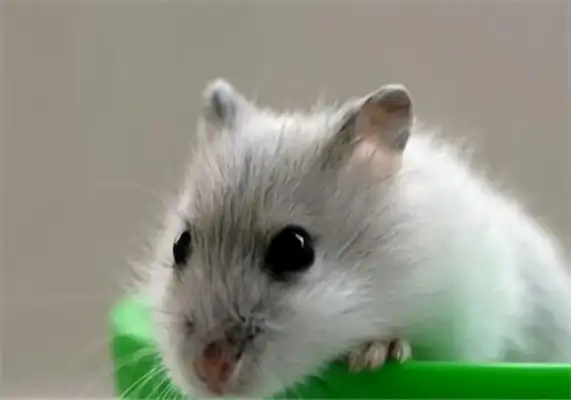
The purple hamster (Dwarf Campbells Russian Hamster) is a hidden gene (dd), and a pair of purple hairy genes can give purple light to the Campbell hamster. The purple in the purple suit is also called violet, and the fur is pale purple, it looks pink, and it's beautifully purple in the sun.
The purple suit is very similar to the purple barn and is difficult to distinguish. There is excessive hair colour in the purple silo and the white part of the abdomen, a little bit more hairy than purple hair, and the purple part of the purple one has a yellow side between the purple and white.
Chinese literary name: Purple hamster
Latin name: Dwarf Campbellls Russian Hamster
Context: Animals
Door: Spinal gate
Programme: Lactation Programme
I'm not going anywhere.
Section: General Rat Section
Asia: Hamster Asiako
It's a dwarf hamster.
Specimens: Virginized hamster morphological characteristics of the Campbell dwarf hamster
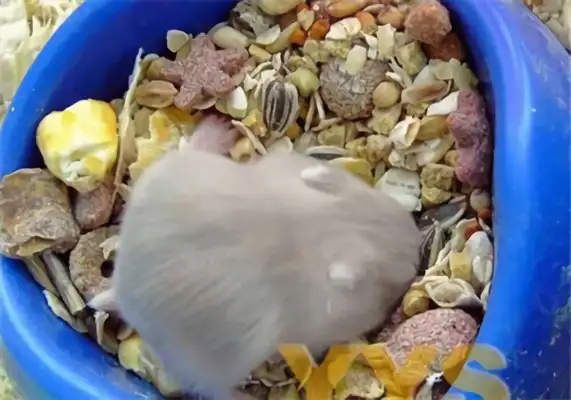
Purple hamsters do not see purple in fur colours in the darkroom and can only see beautiful purple light in sunlight. The purple in the purple suit is also called violet, and the fur is pale purple and it looks pink.
Adults of purple hamsters should be in the range of 10-12 cm, with tails in the range of 1.6-3 cm, and of approximately 30-50 g body weight after adulthood. There is a black line in the middle of the back, with a wide variety of colours and abdominal hair. Purple hamster living environment
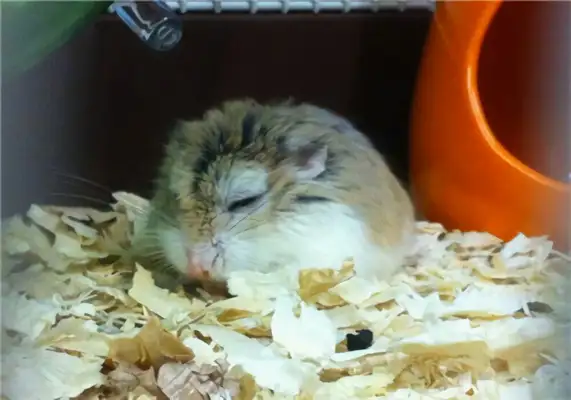
Purple hamsters are able to adapt to a community lifestyle and can be mixed with same sex or male. In the context of the breeding environment, because purple hamsters have a good sense of smell, it is not recommended to use the fragrance of wood as a mattress. So what's the material cushion better for a purple hamster?
Both pine and siphon crumbs, which are common on the market, can cause absiliation in purple hamsters, leading to death, especially in siphon crumbs, which are the only safer wood products and, overall, the most appropriate cushioning. Some feeders provide purple hamsters with flailable fibres to shelter and keep them warm, mostly cotton balls or artificial fibreballs, which have been controversial so far, while purple hamsters use animal and plant fibres to heat their nests in their natural environment, while some feeders find that purple hamsters tend to swallow fibres and cause intestinal blockage, and it is generally recommended that the feeder avoid providing purple hamsters with cotton balls, replaced by perfume-free toilet paper. The purple hamster.
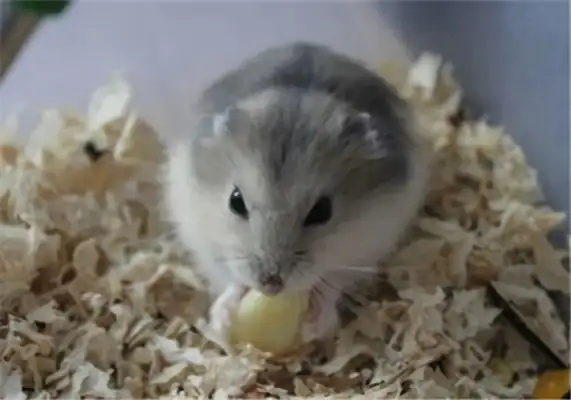
Purple hamsters are groceries that eat almost everything, but they eat mainly grain groceries, many of which enjoy sunflower seeds, but are not recommended as staple foods or as snacks or teeth grinding tools.
A variety of grains, seeds and vegetables are used as food by groceries, purple hamsters living in the wild. Nevertheless, it is difficult to prepare hamsters for raising diets close to these wild environments. The main food staples in the environment are the seeds and foods of weeds, the occasional hunting of insects, the habit of storing food, non-sleeping, food stored through winter, and the feeding of raw melons, peanuts, fruits, bread worms, etc.