After taking a bath, the parrot can pack his body with soft towels and suck out the extra moisture. The parrot can then dry naturally where the air is warm or dry with low-temperature wind. Make sure that the temperature of the blower is not too high to harm the skin and feathers of the parrot.
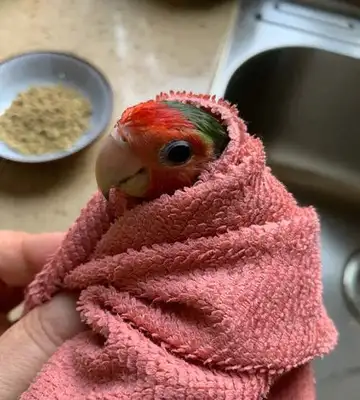
In drying up the feathers of parrots, the following points require attention.
Temperature and wind
When using a blow-blower, choose low temperature and low wind power to avoid harm to the skin and feathers of parrots. It would be preferable to use a wind blower specially designed for pets, with temperature and wind adjusting. In the event of a blow, keep an appropriate distance and avoid direct exposure to the parrot. At the same time, attention should be paid to the response of the parrot, who, if it feels uncomfortable or nervous, should immediately stop blowing the wind and give the parrot a break. In addition, the wind can provide the parrot with a warm environment to help it dry as quickly as possible.
2. Keep quiet.
When helping parrots dry their feathers, try to be as quiet as possible and avoid any sudden noise or movement that would frighten the parrot. The option is to blow in a quiet room to avoid interference from other pets or people. In addition, the parrot can be whispered in the wind to reassure and comfort him. Helping parrots dry their feathers is a delicate and patient task that requires attention to detail and moderation to ensure the comfort and safety of parrots.
Three. Time.
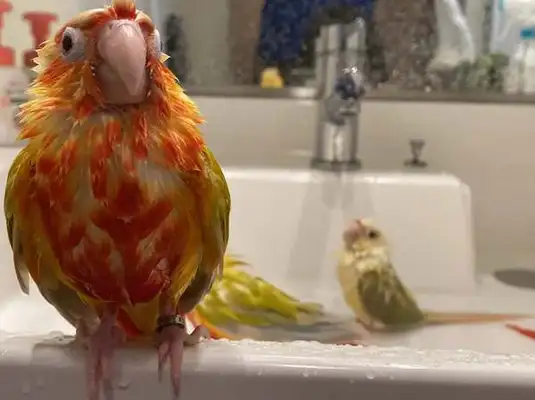
Don't let parrots be over-exposed to the wind blowers, so that they can stop and rest in good time before they continue. Excessive winding can lead to dry skin or damage to feathers. During the drying process, the parrot can be gently touched on the head or back to comfort and relax. At the same time, to observe the response of the parrot, if it is found to be uncomfortable or anxious, it should immediately stop blowing the wind and continue until the parrot is completely relaxed.
4. Maintaining distance
When blowing a parrot, please ensure that the blower is kept sufficiently far away to ensure that the skin of the parrot is not directly exposed. This would avoid unnecessary heat and pressure on the skin of parrots, thereby reducing the potential risk of skin burns. It is recommended that the wind blower be maintained at a distance of at least 30 cm to ensure that the air flow is even and the temperature appropriate. This way you can blow the feathers of parrots, while maintaining their comfort and health.
5. Observation of response
It is important to observe the response of parrots when helping them to dry their feathers. If parrots begin to feel discomfort or fear, such as struggles, barking, feathers, etc., they should immediately stop blowing the wind and give them some time to regain calm. Consideration could be given to adjusting the temperature and wind power of the blow-blower, or to changing the way in which the wind is blown to avoid blowing directly to the parrot. Ensure that the wind blowers are at a suitable distance from the parrots and avoid any discomfort caused by excessive proximity. In interaction with parrots, be gentle, be quiet and avoid sudden movements or noises that frighten the parrot. If parrots continue to show signs of discomfort or fear, it is advisable to consult veterinary or professional bird care staff.
Six, be careful.
In operating the blow-blower, be careful not to touch the parrot or pull its feathers to avoid discomfort or harm. It would be preferable to keep the wind blower at appropriate distance and to take a stable position to ensure the safety of parrots. If it is necessary to reposition the wind blower, be careful to move and avoid the parts of the parrot ' s body or feather. If the parrot is accidentally touched or pulled to a feather, the operation shall be stopped immediately and the parrot shall be examined for injury. If there is any discomfort or anomaly, medical treatment or professional assistance should be sought in a timely manner.
7. Ensure complete drying
It was important to ensure that the feathers of parrots were completely dry, so that the wet feathers could avoid cold or other health problems. When helping parrots dry their feathers, ensure that the temperature of the blower is moderate and that the wind is soft, so as not to harm the parrot's skin or feathers. Wind blowers can be used for low-temperature and medium-temperature, while keeping appropriate distance to avoid overheating or overwinding. In addition, it is possible to choose the use of wind blowers specially designed for pets, whose temperature and wind power are better controlled and safer. In the process of blowing the wind, care should be taken to observe the response of the parrot, and if it shows signs of discomfort or fear, it should stop immediately and give it some time to rest. Finally, ensure that the wind blower is not too close to the parrot and does not hurt its skin.
In helping parrots dry their feathers, it is important to be gentle and patient. Ensure the use of appropriate temperature and wind blowers, maintain a quiet environment, take care of the parrot ' s reaction and operate carefully to avoid harm to the parrot. Regular cleaning of parrot feathers can help maintain their health and beauty. Last one. Next one.