It is essential to understand some basic training techniques and steps before the training of parrots begins. An intelligent and moving breed of parrots has demonstrated great potential for learning new skills and interacting with people. However, to train them, patience and some skill are required. The following are some of the key training steps that we need to explore together how to effectively train parrots.
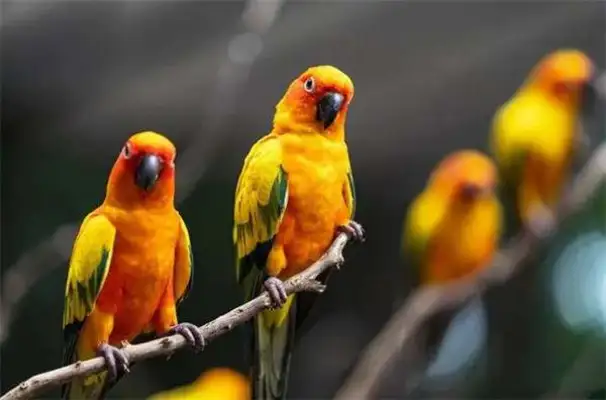
1. Building trust relations
First, it is very important to establish a relationship of mutual trust with the parrots. Take the time to get along with it, to adapt it to your existence, to build trust. This process may take some patience and time, but through interaction and care with the Nautilus, we can gradually win their trust. In so doing, we need to respect the personality and preferences of the parrots and give them sufficient space and freedom, while at the same time gently guiding them towards acceptance of our existence. With the establishment of a relationship of trust, the parrots will be more willing to interact and cooperate with us and the training process will be smoother.
2. Step-by-step engagement
In the beginning, don't rush the parrot to contact you. Step closer, get used to your presence, sit next to the cage for a while, let it watch you. This process requires us to show patience and careful care, to adapt to our presence and to build a sense of security. During this time, we can talk to it softly and move our bodies slowly and softly so that it can feel our friendly intentions. Through gradual contact and moderate interaction, we can build good relations with the parrots and lay a solid foundation for subsequent training.
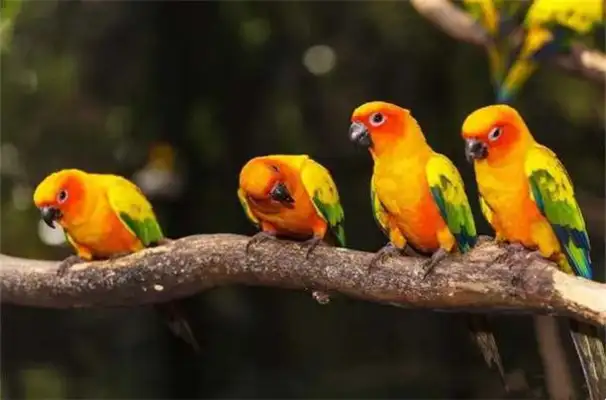
3. Forage awards
The use of foods like those of the parrots as an incentive, and the timely reward of an effective and positive act when it is shown to you, helps to build positive training feedback. The parrots are usually interested in fruits, vegetables, nuts and some specific kinds of seeds, so we can choose the right food in the light of its preferences. Timely incentives can enhance the positive behaviour of parrots and increase their willingness to participate in training and to learn new skills. At the same time, rewards are a positive reinforcement that helps to build up a positive association for training, thereby increasing the effectiveness and pleasure of training.
4. Language training
Paws are birds who are good at imitating human languages and can be trained in language by repeating simple words or phrases. Every day, the same words are repeated and rewarded so that it can learn. In the course of language training, we can choose simple words or phrases, such as greetings, food names, etc., and repeat them repeatedly to the parrots. When a parrot succeeds in imitating or making a sound of proximity, we give a timely reward, which can be his favorite snack or something. Through continuous training and positive feedback, the parrots can learn and master these words over time and become a language able to communicate. At the same time, we need to be careful to maintain a pleasant atmosphere during the training process, so that the macaws feel the pleasure and achievement of learning the language.
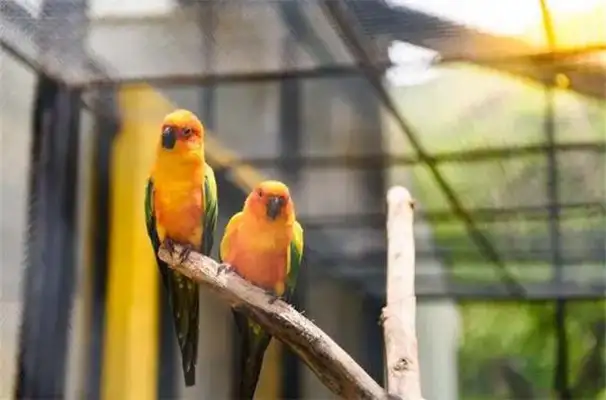
5. Social training
The gradual adaptation of the parrot to other people and pets helps it to better adapt to different environments and interpersonal relationships. Social training is essential for the comprehensive development of the parrots. Through contact with different people and pets, the pugs can learn to better adapt to different environments and interpersonal relationships and to enhance their social skills and adaptability. We can invite our friends and family to interact with the macaws so that they become familiar with different faces and voices; at the same time, we can gradually introduce other pets, such as dogs or other parrots, so that they learn to live in peace with them. Such training not only promotes the socialization of the parrots, but also increases their adaptability to the external environment, enabling them to express themselves in a variety of contexts and become a more confident and independent parrot partner.
6. Regular training
Continuous training was essential, and regular time was spent interacting and training with the parrots to keep them learning. Like us humans, the parrots need constant exercise and learning to remain active and healthy. Regular training can help the parrots to consolidate their acquired skills while constantly learning new knowledge and behaviour. We can schedule some time every day to interact with the parrots and conduct various training activities, such as language training, skills training, etc. Through continuous training, the learning status of the parrots will be effectively maintained, and they will be more willing to participate and remain curious and dynamic. At the same time, continuous training has also helped to deepen emotional ties and enhance interaction and trust with the parrots. We must therefore persevere in our regular training to give the parrots ample opportunities to learn and grow.
7. Patience and kindness
In the course of training, patience and kindness must be maintained and violence or coercive methods must not be used, which could undermine the relationship of trust with the parrots. Nautilus are sensitive and intelligent creatures that react to our attitudes and behaviour. If we use violence or coercive methods to train the parrots, they will not only feel fear and stress, but also undermine the relationship of trust with them, leading to the failure of training and even to the detriment of their mental health.
Instead, we should treat the parrots with moderation and patience. Give them enough time and space to adapt to training, respect their personality and preferences and encourage their active participation in training. When the parrots show positive behaviour, we give them timely rewards and praises in order to increase their self-confidence and motivation to learn. At the same time, it is also necessary to accept that the parrots may have made mistakes or behaved undesiredly and patiently to guide and correct them, rather than to impose them.
Through training in a moderate and humane manner, we can build good relations with the parrots and enhance mutual trust and understanding. Such training would not only enable the parrots to learn skills more quickly, but would also promote their mental health and well-being. Let us therefore remain patient and kind at all times, with love and care to guide and nurture the parrots and share the pleasures and achievements of training.
It is worth remembering that we need time and energy, whether we build trust relationships, step-by-step contacts or the use of feed incentives. Through training, we can not only enable the parrots to learn some interesting skills, but also deepen their emotional ties and make them faithful partners in our lives. So let us be patient and continue our efforts to make the training tour of the parrots fun and fulfilling. Last one. Next one.