Designation: PET4059
English name: Natal Hinge-back Tortoise
Origin: Natal Province, Cape Sea, South East Africa.
Vulnerability to disease: Decay
Life: An overview of turtle species in Natal for about 50 years
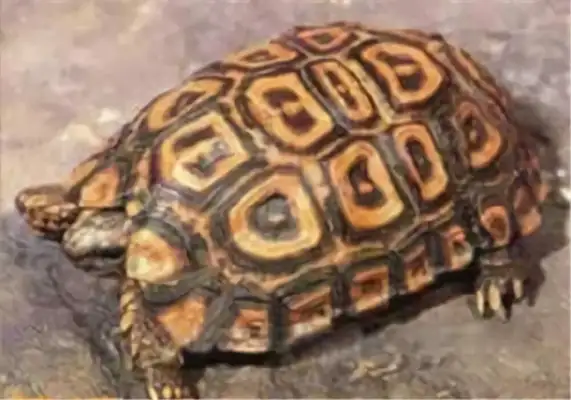
Natal is one of the six folded land turtles, with smaller sizes, more visible raisins, more monolithic, grasshopper turtles, distributed only in the province of Natal, South Africa, in small numbers and with relatively few markets.
Chinese literary name: Natal's back turtle
Chinese alias "Backback turtle"
English name: Natal Hinge-back Tortoise
Two words: Kinixys natalenis
Context: Animals
Gate: Pipeline gate
Programme: climb
Tortoises.
Section: Marine turtles
It's true.
Castes: Natal's back on the ground.
Distribution: Natal Province, south-eastern South Africa.
Reproduction: Eggs. Wild detached land turtles are likely to end up all year, with yields of about 5-8 per body sizes, conditions of incubation, temperatures of about 30.5°C, humidity of about 90%, and incubation days of between 130 and 160 days.
Lifestyle: Most habitats are semi-salary geology, including unobserved bushes and coastal sand dunes.
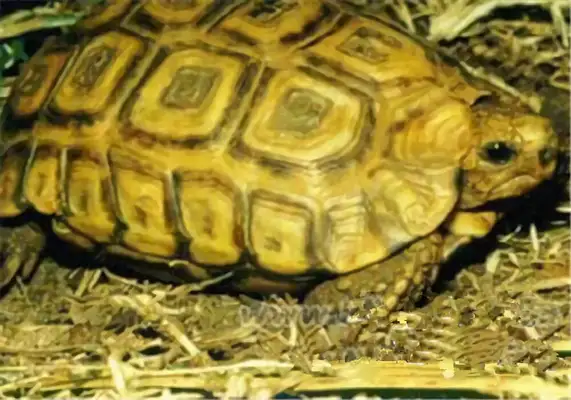
Appearance characteristics: The maximum nail length is 15.5 centimeters, the lower is more wide-cut, the upper ass shield is split into two, and three hooks with a jaw are highly coloured, making it unlikely that the same backscarves and the same pattern will occur among individuals.
Eating characteristics: Herbivivation, mainly green leaf vegetables. Natal's back-land turtle morphological characteristics
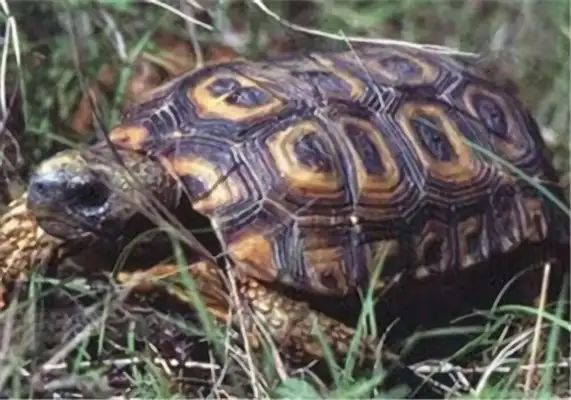
Natal's backback turtles are not a whole, but rather a “mass” structure that helps them protect themselves and avoid natural enemies in the event of danger. This is a common feature of all turtles, just as China's closed-hull turtles can operate, except for the back.
I. The appearance of Natal behind the land turtle
Natal is 15.5 centimetres long, with a wider larvae going down, with two ass shields with three hooks on top, and it is unlikely that, due to the wide colour difference, the same backbrands and bouquets are present among individuals. Natal folded land turtles belong to a smaller category of folded land turtles, and the mature size of female individuals does not exceed 15-18vm.
II. Characteristics of Natal's back-land turtles
The greatest feature of Natal's fallback turtles is that they are located between the 7th and 8th cortex, in a soft structure similar to a lullaby or a nocturnal cord, which can be activated in a particular structure where a person encounters an enemy attack, where a muscle constriction can be used to bind the claves, and by such a special configuration, where the tail and the back limb of the individual can be shrunk into the claves to avoid attack by predators. Natal's knowledge of the care of land turtles
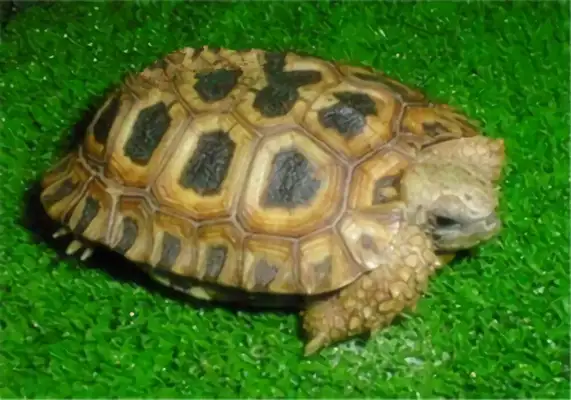
Nathal's return to the desert, which is a dry semi-desert area, will make the survival of life difficult. We all know why Nathal's return to the ground is so demanding.
In the area of Natal's fall-back turtles, the South African Government has planned multiple wildlife reserves, mostly semi-sand geological, which include isolated bushes and coastal dunes. The climate is highly variable, sometimes below 10°C in winter, and the average summer temperature is over 30°C, so that, in the event of an abnormal climate, Natal would be able to hide from the caves in order to survive.
Natal's fallback turtle landscape is part of the Kalahari Basin basin in South Africa, so they eat different foods in the wild than sawn-to-back turtles in the rainforest, most of which are based on green leaves of weed, so it is also desirable to avoid feeding high proteins in artificially raised environments. Natal folds are spawning, wild fallbacks are likely to end up all year, with yields of about 5-8 by size, hatching conditions, temperatures of about 30.5°C, humidity of about 90%, and hatching days of between 130 and 160 days. Natal's living in the ground.
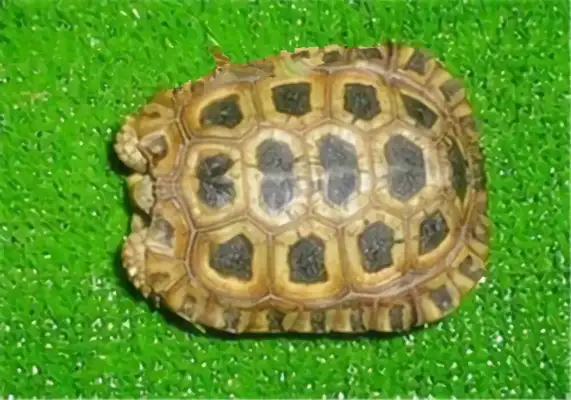
Nature's footsteps of the wild Natals, their regularity in life, their familiarity with the cold of the night and their adaptation to the prolonged drought, are a strong life form, and even so we must put in place the right environment.
Natal behind their land turtles, which by definition are most concentrated in the province of Natal, South Eastern and Southern Africa, which is quite small and unique to South Africa. Habitats are typical of dry, semi-desert climates with low rainfall and high temperature variability. Natal is most active when it starts raining, but when it is hot, it digs holes in dried-up water to hide itself in order to save itself from loss of water and then wait for another rain.
Natal detours live within 27-30, 24-26, 20-22 degrees Celsius. Wild individuals have a habit of sleeping, so that the temperature is not too high, not more than 35 degrees Celsius, and can be reduced to 20 degrees at night, but at least 27 degrees before and after eating to help digest food. Relative humidity is 60-85 per cent, which adapts to a wide range of moisture because of its wide distribution and the apparent local tide season. Natal's tipping point.
Natal's fallback turtles are typical feeding turtles, but in the case of artificial feeding, in order to ensure their health, we have to provide him with some animal breeding to ensure the absorption and utilization of calcium, but be careful of the amount fed.
I. NATHAL'S FOOD POSSIBLE TORTURE
Main feed (>90%): Deep green-leaved plants (e.g. heart, mustard blue, horse teeth, piping, cargrass, grass, grass, wild mustard, herbs, daisy, platinum, sand leaves, red flowers and leaves).
Feedable between:
This paper is from the Internet and does not represent the Catnet position.
 We'll clean up everything. I'll pay for the broom.