Peacock fish swims slowly after their rotting tails, their appetites recede, they stop eating when they are serious, their bodies are unbalanced, their eel is easily hung on the table; their tails and tails are covered with blood, inflammation, the end of their fins is corrupted, their tissues are broken, their fins are scattered and their fins appear; their tails are broken, their tails are crushed, even their entire tails are broken, and their bones are exposed. When water temperatures are low, it is common to cause aqueous infections.
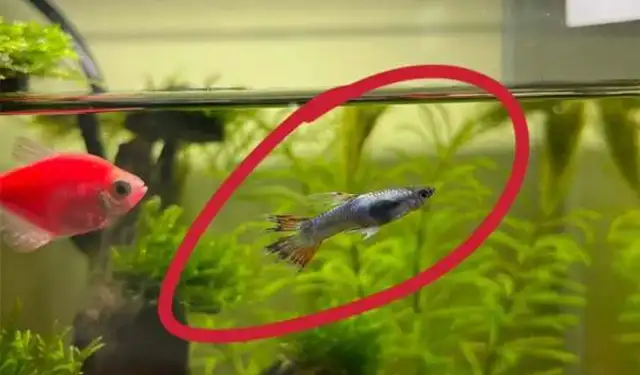
Treatment for end-of-life diseases:
In 100 kg of water, furan silin powder is immersed in 0.2 g, which can be mitigated by repeated use of medication.
2, 3.5 tablets of diarrhea in 100 kg of water and 30 minutes of immersed fish.
3. Vaccination of 5-8 tablets of ocinin in 100 kg of water prevents infection.
4 Vaccination with a low concentration of potassium permanganate with salt solution.
5. Be immersed with Quintacolin, two in aquariums 100 cm x 50 cm x 35 cm.
6 1 per cent salt water to impregnate the sick fish until they recover.
Prevention of rotting tail disease:
Maintaining a clean water environment;
2. The appropriate level of nutrient density;
3. To improve management, water is kept at about 20°C, with little and very good bait;
4. Regular exchange of clean water, timely extraction of salvage bait and regular removal of bottom stains;
5. Periodic graze of lime to make the pool less alkaline. Last one. Next one.