The frequency of feeding young dogs usually varies with their age. In general, newly born pups require more frequent feeding, and as they grow, the frequency of feeding decreases. Here is a common feeding frequency guide.

Newborn pups (birth to 2 weeks)
New-born pups are fragile lives, and they have just arrived in the world full of curiosity and fragility. At this stage, their stomach capacity is extremely small and they are unable to absorb large amounts of food once in a single time. Therefore, they need to feed every two to three hours to meet their energy needs and to maintain stability in body temperature. This is due to the rapid metabolism of larvae, which requires frequent feeding to maintain a balance of internal energy. It also contributes to the healthy development of their gastrointestinal systems. Therefore, timely and frequent feeding is essential for newborn dogs, who depend on our care and caring to thrive.
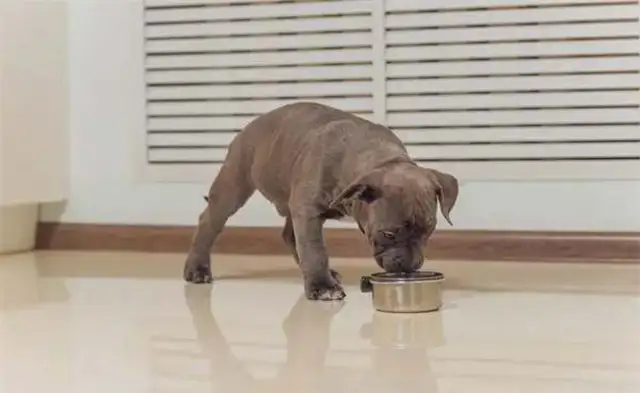
2, 2 weeks to 1 month for pups
In the two-week to one-month period, pups are at a critical stage of rapid growth. While their stomach capacity will increase over time, they still need to eat frequently to meet their growing nutritional needs. It is therefore important to feed every three to four hours. Despite the increase in stomach capacity, over-ingestion can lead to problems such as inflating and indigestion, and there is a need to control the weight of food to ensure that they fully digest and absorb the nutrients they consume. At this stage, careful feeding management is one of the keys to ensuring the healthy growth of pups.

3 , 1 month to 3 months for pups
In the period from 1 to 3 months, pups began to adapt gradually to a lower number of meals. About every four to six hours of feeding can meet their nutritional needs and help develop better eating habits. At this point, as the pups grow, their stomach capacity increases, allowing for more food to be eaten once in a row. This transition allows for the gradual adaptation of larvae to dog feeding patterns, while also reducing the number of feeding times and providing greater accommodation for daily life between the owner and the larvae. However, attention needs to be paid to controlling the amount of food that is fed each time in order to avoid digestive problems arising from over-eating.

4 and 3 months to 6 months for pups
In the three- to six-month period, larvae can normally be fed every six to eight hours, gradually decreasing to three meals. During this period, the stomach capacity of the pups has increased further and they are able to absorb more food once in a single time. Such adjustments help to develop more mature dietary habits and prepare for a gradual transition to a canine diet. The canine diet usually contains a higher proportion of nutrients and is able to meet the higher energy needs and healthier growth and development of pups. In the interim, however, there is a need for a gradual mix of canine and larvae recipes to ensure that the larvae digestive system is adapted to new foods. Therefore, a gradual reduction in the number of meals consumed and the adjustment of recipe components is one of the key steps in ensuring the healthy growth of pups.

Young dogs over 5 or 6 months old
In general, when dogs reach the age of six months, they usually have completed the growth process from larvae to adult dogs, at which point they can fully transition to adult feeding. Feeding two to three times a day is an ideal frequency to meet the nutritional needs of dogs and to help maintain their health and vitality. This frequency of feeding also helps to control body weight and avoid problems such as obesity or indigestion. At the same time, canine digestive systems are relatively mature to better absorb and utilize nutrients in food. However, even when pups have transitioned to canine recipes, attention needs to be paid to the quality of food to ensure that they receive adequate nutrition and remain healthy. Therefore, regular weight monitoring and regular veterinary examinations remain one of the important measures to ensure the health of pups.

It should be noted that these are general guidelines and that the demand for feeding per larvae may vary slightly depending on its type, size and health status. It is recommended that feeding schemes be tailored to the specifics of pups and the recommendations of veterinarians. Last one. Next one.