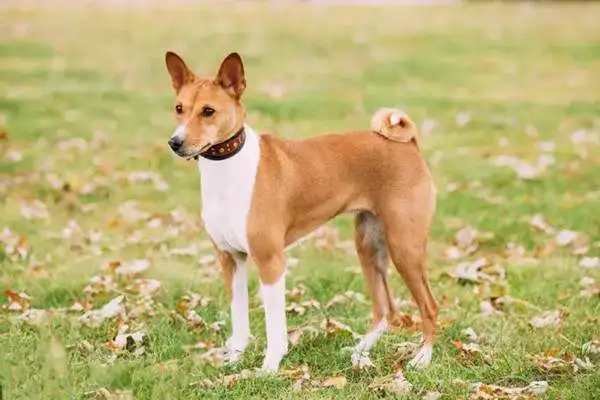
1. Livestock management
Baching dogs are required to be of the dog species, so a proper amount of exercise is necessary for their healthy growth and development. The dog's skin is wrinkled, susceptible to bacteria and skin diseases such as thiopes, and special attention should be paid to daily hygiene and bathing during the summer. In rearing management, the food supply is modest and modest. Without it, it affects growth and development, loses a lively and cute image, and even causes disease; more, it is fattening, it is retarded and it is lazy and it loses its agility.
The daily feed should contain 300-350 grams of meat and be accompanied by vegetarian foods such as cereals, sugar-free biscuits and similar quantities of meat. Meat should be cooked first, cut into small pieces, mixed with vegan food (defended) and fed later. The meat must be fresh, the cooking and the sink cleaned and the food kept clean.
Clean drinking water should be supplied one to two times a day, with an appropriate increase in summer. The canine house should be chosen as a safe, dry and clean place and must be cleaned and disinfected on a regular basis.
Bashinji is a hound that normally loves activities and should therefore be taken out for a walk every day and allowed to run and jump freely. An adequate amount of mobility can lead to growth and health.
Such dogs, unlike others, have wrinkled heads, necks, etc., which tend to accumulate and hide bacteria, so they should be bathed for them, in addition to often brushing them and cleaning them up. In particular, in the summer, it should be washed once a day or the following day, especially to wash the stitches.
It is often taught to follow the call of the master, to obey his orders, to learn to tear up his home's clothing, curtains, sofas, etc. without teeth, claws, and to learn to love hygiene, to keep his body clean and to keep his body clean and to keep his urine low.
Every five to seven days, you're going to have to clear it of toothpaste, earpaste and eye shit. Eyes are often washed with warm water to prevent diseases such as eye inflammation. The claws will also be trimmed regularly in order to move quickly and avoid scratching the body.
In day-to-day breeding, care should be taken to ensure that it is not in a state of irregularity, abated appetite, defecation of defecation, hotness of the nasal pads or excessive drying, and that an abnormal state is detected or signs of disease are detected.
2. Health and sport
With lower humidity and lower temperatures, older dogs who spend one summer indoors are also required to exercise in appropriate quantities. There has also been a gradual recovery of appetite, so it is essential to have a small amount of movement. You don't like sports dogs, you can let them play toys.
It takes longer to recover to prevent cold from falling into rain than can be felt by dogs. It is therefore necessary to wipe them with towels and dry them all with a wind blower when they return from the rainy days.
Don't force dog movement in cold seasons.
Winters, which are very popular at a young age, can also be painful in old age. If the dog doesn't want to go out, don't force it to move.
In addition, dogs with less functioning pipes find it difficult to breathe when they leave warm rooms and suddenly come into contact with the cold air outside. So you wait outside the door for a while, when there is no heating, and the temperature is low, before you go out.
One hour and one breath.
Rooms with heating are easily dry and, if over-dry, electrostatic, damaging the hair, throat and nose mucous membranes of dogs. So we're going to keep a little air change, open the window and let fresh air in.
Old-age pet dogs are particularly intolerant, leaving them alone at home, turning off the heating and preparing their pet radiators. Last one. Next one.