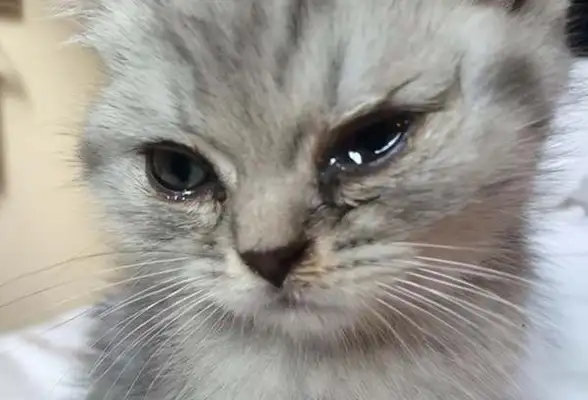
When you look at cute cats, do you ever find them with a light red in their eyes? That's the symptoms of cat tears. Tears affect not only the beauty of cats, but also the signs of health problems. How can we deal effectively with cat tears and get our kittens back to light? Here, let us look at the solution to this problem.
1. Temperature wiping
The light wipe of tears around the eyes of cats using warm water and soft cotton balls is one effective way to remove tears. Be very gentle when polishing, and avoid wiping so hard as not to stimulate cat skin. One or two drops of warm water can be dropped on a cotton ball, and then the tear marks can be gently massaged to help dissolve the dry knots. The choice of non-stimulant, specially designed wet towels for pets is also a good option. After cleaning, the eyes of the cat should be gently wiped with clean soft towels to ensure that they remain dry.
2. Special eye cleaning fluid
There are cleaning fluids on the market that are used to clean the eyes of pets and can be purchased from pet stores or veterinarians. These liquids are usually mild and unstimulating and suitable for cat eye cleaning. When used, using the product description, the cleaning fluid drops on the cotton ball, and then the tear marks around the cat ' s eyes are slightly wiped. Before using any cleaning fluid, it is best to consult the vet to ensure that the product chosen is safe and effective for your cat.
3. Dietary adjustment
The formation of some cat tears is related to diet, and attempts can be made to provide cats with some antioxidant-rich food or to add some fungus to help improve their eye health. Antioxidants help to reduce the risk of eye inflammation and cytooxidation, while prophylactic bacteria can promote intestinal health and improve nutritional absorption, thereby increasing immunity and reducing the generation of tears. In addition to this, attempts can be made to adjust the eating habits of cats to avoid excessive foods with irritating ingredients, such as additives or preservatives, in order to reduce the generation of tears. If the problem persists or is aggravated, it is advisable to consult veterinary doctors to obtain more specialized treatment programmes.
4. Avoiding excessive irritation
Avoid the use of detergents containing spices or irritating components to prevent skin sensitivity or allergies around the eyes of cats. The selection of mild and non-irritant cleaners, preferably products specially designed for pets. Before any new product is used, it is advisable to test small parts of the cat to ensure that no adverse effects occur. If a cat is found to be allergic to cleaning agents, use should be stopped immediately and further advice sought from veterinary doctors.
5. Regular cleaning
Regular cleaning of the eyes of cats reduces the formation of tears. It is recommended that a minor cleaning be carried out every day to keep the eyes of cats clean and healthy. The use of warm water and soft cotton balls or special pet wet towels to wipe lightly around the eyes helps to remove dirt and tear residue around the eyes and to prevent eye infections. Regular eye cleaning also facilitates early detection of eye problems and timely medical treatment. When cleaning is done, the hand is kept clean and the skin of the cat is avoided from being wiped hard.
6. Examination of eye health
Periodic inspection of the eyes of cats to ensure that there are no eye infections or other health problems is an important step towards maintaining their eyes healthy. Periodic inspections can help to detect eye problems early, such as compostitis and carnival, and provide timely treatment. If eye abnormalities are detected, such as redness of the eyes, an increase in the number of secretions, and an increase in the frequency of blinking, medical treatment should be done in a timely manner, with further examination and diagnosis by veterinary doctors to determine the causes of the disease and to develop appropriate treatment programmes. Eye problems, if not addressed in a timely manner, may lead to more serious consequences, even affecting the sight and quality of life of cats.
7. Control of the flow of tears
In some particularly serious cases, discussions could be considered with veterinary doctors on how to control cat tears. Veterinary doctors may recommend the use of specific eye medicine or medication to help reduce the distribution of tears or improve their discharge. These drugs may need to be prescribed by a veterinarian to be purchased and used, and professional veterinary advice must be consulted before they can be used. At the same time, veterinary doctors may conduct detailed eye examinations of cats to understand potential health problems and develop individualized treatments to ensure the health of cats.
8. Continuing care
Tears may not disappear immediately and require sustained care and patience. Through regular clean and correct care methods, the tears of cats ' eyes can gradually be reduced and their eyes kept clear and bright. In addition to regularly wiping tears around the eyes, attention should be paid to the diet and environmental health of cats, ensuring good drinking water and quality food, and avoiding the discomfort caused by stimulating foods or the environment. In addition, regular eye health checks of cats and timely identification and handling of potential problems are important steps in maintaining eye health. Through constant care and care, we can keep our kittens away from tears and have bright eyes.
Overall, handling cat tears requires patience and care. First, it is necessary to keep the eyes of cats healthy and regularly wipe the tears around them and avoid bacteria. Second, care is taken to observe the diet and environment of cats, to ensure the availability of sufficient clean water and quality food, and to avoid the discomfort caused by stimulating foods or environments. Finally, if the problem of tears persists or increases, prompt medical treatment is recommended to exclude possible health problems. With the right care and care, we can keep our little cats away from tears and live healthy and happy lives. Last one. Next one.