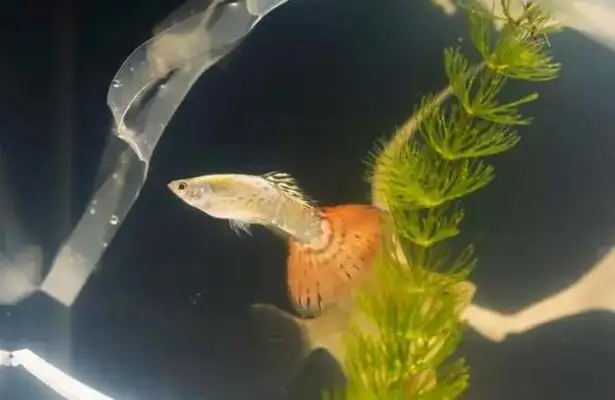
Maryfish is a lively and beautiful fish viewer, often in family aquariums. However, although they are popular in the market, they are not all recommended as pet fish. There are a number of major reasons for this lack of recommendation.
1. Strong reproductive capacity
María fish breeds fast, and a pair of fish can produce large numbers of offspring in a relatively short period of time. Their productive capacity, without proper control, can easily lead to over-reproduction and increase the difficulty and cost of farming. Each spawning can be dozens to hundreds, and the young Maryfish can grow rapidly and reach sexual maturity within a short period of time, creating a vicious breeding cycle. Overproduction can lead to overcrowding in aquariums, make water quality management more difficult and may cause problems such as disease transmission and limited fish growth. Therefore, raising marifish may not be ideal for fishers who do not have the capacity to control and manage reproduction.
Water quality requirements High
The high water quality of the marifish requires stable water temperature and quality, regular water replacement and water quality testing, and some demand for the skills and energy of fish farmers. The adaptation of Mary fish to water temperature is relatively small, usually between 24 and 28 degrees Celsius, and needs to be stable. In addition, they have a high demand for water quality, requiring regular testing of water quality and the timely adaptation and management of water quality based on the results. Regular water replacement can help keep water quality clean, reduce the accumulation of waste and hazardous substances and help maintain a healthy water environment. Therefore, mariculture requires a certain level of water quality management skills and energy on the part of fish farmers to ensure the health and growth of pet fish.
3. Aggressive
Male marifish may become aggressive in courtship or territorial competition, threatening other fish species and requiring attention to mixage. During the breeding season or when male Mary fish feel threatened, they may exhibit offensive behaviour, such as chase, bite or fight, especially for smaller or milder fish. It is therefore important to avoid placing male Mary fish in the same aquarium as vulnerable fish in combination. In addition, if the aquarium is large enough, consideration could be given to providing sufficient space and privacy for different species of fish to reduce the occurrence of offensive behaviour. Regular observation of fish behaviour, adjusted to the needs, can help to reduce problems that may arise in combination.
4 - Food
The availability of diversified food to meet the nutritional needs of Maryfish, which is a grocer fish, increases management costs and complexity. As a groceries fish, Maryfish recipes should include various types of food, such as vegetable foods (e.g. vegetables and plant algae) and animal foods (e.g. insects and crustaceans). In order to ensure that they receive adequate nutrition, the breeder needs to provide diversified food and to observe closely the food intake of fish and ensure that they receive the required nutrition.
Management costs and complexity will also increase with the need to provide diversified food. Different types of food may require different ways of purchasing and storing, and sometimes special treatment and preparation. In addition, regular inspection of fish food intake and the impact of water quality require additional time and effort. Therefore, mariculture requires a certain level of experience and preparation on the part of the breeders to cope with increased management costs and complexity.
Space requirements
Maryfish require larger aquariums to provide sufficient swimming space, and smaller aquariums affect their health and behaviour. Since Mary Fish is a live swimmer, they need enough space to operate, otherwise it can lead to behavioural anomalies and physical health problems. At least 20 to 30 gallons of aquariums are required for a full pair to provide sufficient swimming space and environment. If aquariums are too small, Mary fish may feel congested and pressured, which can affect their behaviour, such as reduced swimming and reduced appetite. In addition, too small aquariums can cause rapid deterioration in water quality and make management more difficult.
Therefore, in order to ensure the health and well-being of the Maryfish, the breeders should choose the large enough aquariums and provide adequate decorations and facilities to provide sufficient swimming space and living conditions.
In conclusion, although the marifish is a beautiful and popular fish viewer, there are more factors to be considered in the farming process, which require water quality, food, space and variety management. For beginners or people who do not have enough time and effort to manage, it may not be appropriate to have a Maryfish. Therefore, before considering marifish farming, it is recommended that its farming needs be carefully studied and applied according to its own conditions and experience to ensure the health and well-being of pet fish. Last one. Next one.