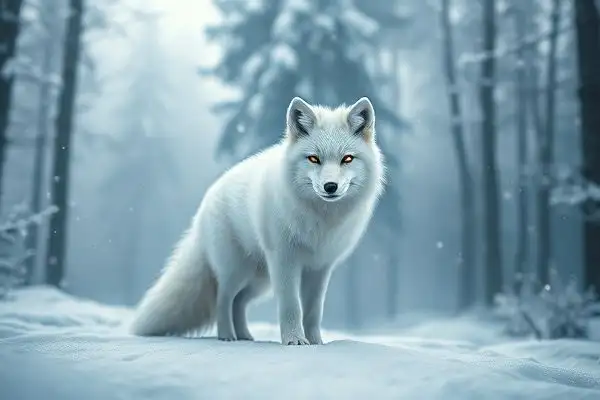
Arctic Fox is a unique canine animal that survives in the Arctic and cold regions, and is attractive, gentle and resilient, especially in light of changes in hair-saving hairs during winter. Although snow foxes usually live in severe cold conditions, as humans explore pet conservation, more and more snow foxes also enter their homes as pets. In this article, we will explore in depth the overview of snow fox species, character characteristics, breeding techniques and hair care to help you better understand and care for this beautiful pet. I. Overview of varieties
Snow fox, also known as Arctic fox, learned the name Vulpes lagopus. They are spread over the Arctic and adapt to the extreme cold. The adult snow fox is medium-sized, usually 50-70 cm in length and a tail length of 30-40 cm. Their bodies are covered with thick hair, which enables them to survive in an ice-covered environment. The hair of winter is white to help them hide in the snow, while the summer turns into brown gray or brown to adapt to the summer moss.
Snow foxes are highly adaptable animals that can withstand extreme colds but also survive in relatively warmer environments. Their feet are protected by thick hair, enabling them to walk in the snow, while snow foxes show greater activity and curiosity in warmer seasons. II. Characteristic characteristics
Snow foxes are usually gentle, lively and highly independent. They sometimes appear shy, but friendly and highly dependent on the proximity of the master. Snow foxes have certain hunting instincts, prefer to explore the surrounding environment, and are particularly interested in new things.
While snow foxes are more independent in nature, they can also build deep emotional ties with their owners. They are more social and are able to live friendly with other pets or family members. Snow foxes are also smart and smart, which makes them sometimes a little naughty and even a little escape instinct. In order to prevent them from leaving the house, the owner needs to ensure that the fence is strong enough. III. Livestock techniques 1. Environmental choices
The snow fox prefers a quiet and spacious environment and would be better able to provide a larger space for movement. They need enough space to demonstrate their dynamic nature. Even in indoor breeding, the owner should ensure that the snow fox has sufficient play space. If conditions permit, it would be desirable to provide a fenced area for snow foxes with an outer space to allow them access to sunlight and exercise.
For the temperature of the breeding environment, the snow foxes, while able to adapt to the cold, are also able to adapt to the normal household temperature. As a result, snow foxes are still doing well in non-extremely cold areas. It is important to ensure that they stay away from overheating environments and avoid such health problems as heat in the summer. Dietary requirements
Snow foxes are groceries, mainly fed by small mammals, birds, insects and some plants. In a family environment, the owner should provide high-quality pet food to ensure a balanced nutrition of the snow fox. In addition to commercial pet foods, the owner may add, in appropriate quantities, some food from meat, fish and protein sources. It is important to note that snow fox are not given too much sugar or greasy food to keep them healthy.
Maintaining sufficient water is also essential. Snow foxes may not voluntarily drink water, so the owner should periodically check the bowl to ensure that it is clean and adequate. 3. Sports and activities
Snow foxes are dynamic and require a great deal of exercise and activity to stay healthy. The master can help the snow fox to consume excess energy through regular walks, interactive games, etc. In outdoor activities, it would be preferable to keep snow foxes on towed ropes to prevent them from being lost for curiosity.
Inside, snow foxes also need appropriate toys to stimulate their intellectual development, such as puzzle toys or excavated objects. In this way, they can be effectively prevented from causing undesirable behaviour by boredom. 4. Socialization and training
Although snow foxes are more independent animals, they are highly dependent on their masters and therefore require their patient training. Some basic instructions for snow foxes, such as “sit down”, “come over” or “leave down”, can be taught in a positive and reinforcing way. This not only enhances the obedience of the snow fox, but also the intimacy with the master.
Since the snow fox is born with a certain escape instinct, the master should pay particular attention to setting up the fence to avoid the danger of the snow fox fleeing. IV. Hair care
The hair of the snow fox is one of their most prominent features. In order to ensure the health of the hair of the snow fox, the owner needs regular care. 1. Winter hair care
In winter, the hair of snow foxes becomes particularly thick and soft, helping them to withstand the harsh climate. During this period, the master should regularly comb the hair of the snow fox, especially those areas that are easy to tie, such as the abdominal and tail parts. Use wide-tooth combs to comb softly to avoid pulling into hair. Summer hair care
In the summer, the hair of the snow fox will gradually fall off and be replaced by a weaker summer hair. During this period, the hair of the snow fox still needs to be combed regularly to help them smooth out of their old hair and reduce their hair problems. The master can also bathe the snow fox properly and keep his hair clean, but avoid frequent bathing so as not to wash away the natural oil on the hair and cause the hair to dry. 3. Skin health
The skin of the snow fox changes somewhat in different seasons. In cold winters, their skins are usually dry, while in wet summers they can be slightly irritated. The skin health of the snow fox is maintained by regularly replenishing them with some Omega-3-rich food or supplements to help keep the skin and hair warm. Summary
Snow foxes as pets require careful care and patient company from their masters. They are unique and lively, but at the same time they build deep feelings. The breeding of snow foxes requires not only the provision of an appropriate living environment, but also careful dietary management and sports planning. Regular combing and seasonal care are particularly important in hair care. Through proper breeding, the snow fox can grow up healthy and happy in the family.