Goldfish is a common option for beginners because they are relatively easy to feed. However, some newcomers may encounter short-lived goldfish and wonder what the problem is. The following are some of the reasons that may lead to the non-living of goldfish by new hands.
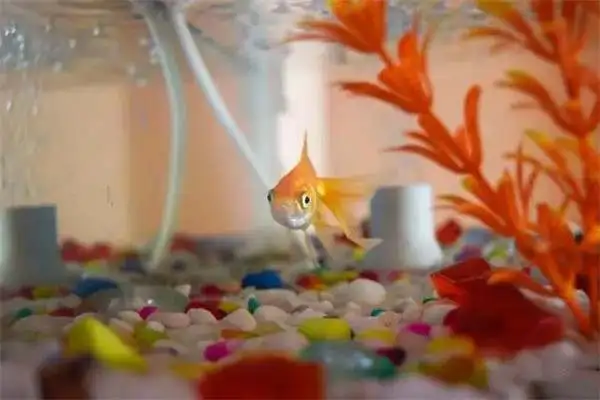
1. Inadequate water quality
Goldfish do require high water quality and inappropriate water quality may affect their health. Freshmen may encounter the following problems in raising fish:
1) Poor water quality: The occasional cleaning of fish tanks can lead to the accumulation of waste, bait and corruption in water, affecting water quality. It is recommended that part of the water be replaced on a regular basis, that bottom residues be cleared and that water quality be kept clean using filters.
2) Inappropriate water temperature: The appropriate water temperature for goldfish is between 18 and 22°C, and if the water is too hot or too low, it affects the growth and health of goldfish. Water temperature can be regulated by heaters or coolers.
3) Oxygen deficiency: Lack of oxygen in water can cause difficulty in the breathing of goldfish and affect their growth. Surface ventilation should be maintained and water quality should be periodically replaced to increase oxygen content.
4) Over-feeding: New players may over-fed goldfish, leading to deterioration in water quality. The daily consumption of goldfish should be contained at 1-3 percent of its weight.
5) Unsuitable water quality testing: New players may not know how to properly test water quality. Water quality should be stabilized by regular testing of parameters such as ammonia, nitrate and pH in water.
Therefore, newers should learn to properly regulate the quality of their fish to ensure clean, warm and oxygen-rich water to provide a good living environment for goldfish.
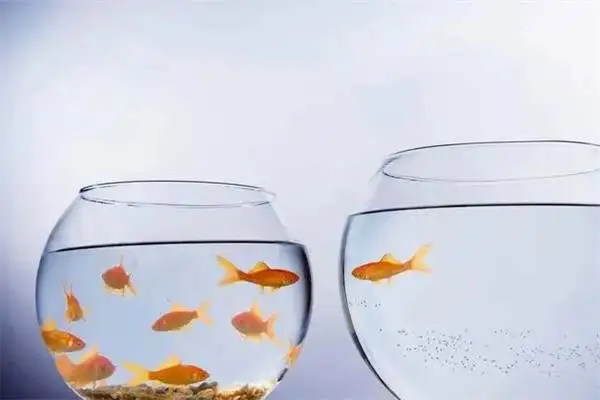
Inadequate breeding environment
The choice and decoration of fish tanks are also very important when freshmen are raising goldfish. The following are common questions and recommendations:
1) Size of fish tank: Goldfish need enough space to swim and breathe. It is generally recommended that a minimum of 10 litres of water capacity be available per goldfish and that if there are more than one gold fish, the size of the fish tank needs to be increased accordingly.
2) Fish tank depth: Goldfish prefer to feed under water, so the depth of the fish tank should at least cover their body length.
3) Decorations: A modest amount of ornaments and plants can provide space for shade and games, while also increasing the beauty of fish tanks. However, care should be taken not to place too many decorations in order not to affect the operational space of goldfish.
4) Water cycling: The installation of suitable filters keeps water quality clean and provides oxygen. At the same time, the regular replacement of parts of water is also an important means of maintaining water quality.
5) Water temperature control: The suitable water temperature of goldfish is between 18 and 22 degrees Celsius, and the water temperature needs to be adjusted according to season and environment.
6) Equivalent feed: adequate daily feeding, not excessive, to avoid contamination of water quality by food residues.
In conclusion, when raising goldfish, newers should choose a fish tank that is appropriate in size and depth, equipped with a proper quantity of ornaments and plants, and kept water quality clean and warm to provide a comfortable and healthy living environment for goldfish.
3. Inadequate choice of feed
Goldfish need balanced nutrition to stay healthy. The selection of suitable feed is essential for goldfish growth and development. Typically, goldfish feed should contain the following components:
1) Protein: Protein is necessary for goldfish to grow and maintain body tissue. Freshers should select feed containing appropriate protein to support the healthy growth of goldfish.
2) Carbohydrates: Carbohydrates are the main energy source for goldfish. The choice of feed containing appropriate quantities of carbohydrates helps to provide the energy needed for goldfish.
3) Fatty: Fatty is also important for the health of goldfish. The choice of feed containing a suitable amount of fat can help the goldfish maintain the health of skin and scales.
4) Vitamins and minerals: Vitamins and minerals play an important role in goldfish growth and immune systems. Ensuring rich vitamins and minerals in feed is key to the health of goldfish.
5) Easy to digest: The choice of easily digestible feed reduces the digestion problems of goldfish and increases the absorption rate of feed.
In conclusion, when selecting goldfish feed, newcomers should be careful about the protein, carbohydrates, fats, vitamins and mineral content of the feed and whether it is digestible to ensure balanced nutrition and health.

4. Lack of day-to-day management
Goldfish require regular water quality management and fish tank cleaning to maintain their health. New players may not be able to carry out these day-to-day management effectively because of lack of experience, which affects the survival of goldfish. The following management challenges may be faced by some new players:
1) Water quality management: Goldfish need clean, oxygenful water quality. Regular water exchange and the use of water quality testing tools to monitor water quality are essential, but newers may not know how to regulate water quality correctly, leading to problems in water quality affecting the health of goldfish.
2) Cleaning of fish tanks: Residues and dirt in fish tanks affect water quality, hence the need to clean fish tanks regularly. However, newcomers may not know how to clean the fish tank correctly or may lose sight of the importance of cleaning.
3) Observation of health: The health of goldfish requires regular observation, including examination of fish behaviour, appetite and state of health. New players may lack awareness of goldfish health issues and be unable to identify and address potential health problems in a timely manner.
In conclusion, newers may face challenges in the management of water quality, fish tank cleaning and health observations when raising goldfish. It is therefore recommended that beginners first acquire basic conservation knowledge of goldfish before raising goldfish and ensure that they are sufficiently prepared and prepared to face possible challenges.

5. Overfeeding or lack of feed
Goldfish require adequate feed to maintain their health. Over-feeding can lead to water quality deterioration and digestion problems, while hunger affects their growth and immune systems. Therefore, proper control of feed volumes is important. It may be difficult for newcomers to judge the dietary needs of goldfish for lack of experience, leading to poor feed feeding.
To ensure the health of goldfish, the following principles are recommended:
1) Regular feeding: Establish a fixed feeding schedule and rational allocation of feed to goldfish according to size and quantity. Normally, one or two times a day, each time not exceeding the stomach capacity of the goldfish.
2) Appropriate choice of feed: selection of high-quality fish food suitable for goldfish, e.g. granular or fragmentary feed. Absorption of too large or too hard particles to prevent goldfish from eating hard or causing digestive problems.
3) Observe the appetite of goldfish: Observe the appetite and digestion of goldfish and adjust the feed volume as necessary. If the goldfish ceases feeding or if other anomalies occur, it may need to reduce the feed volume or seek veterinary assistance.
4) Regular clean-up of residues: Regular clean-up of residues in fish tanks to avoid contamination of water quality and bacteria.
Through sound feed management, goldfish can maintain their health and vitality and enable them to live happily in their homes.
Feeding goldfish is not complex, but requires some basic understanding and attention. The goldfish can live healthyly if the newcomers are able to understand their needs in advance, provide appropriate environments and feed. Regular cleaning of fish tanks, control of feed volumes and regular inspection of water quality are important steps in maintaining goldfish health. It is of paramount importance to have a clear understanding of the need for goldfish and to take care of them with patience and responsibility so that they can live healthy and happy lives. Last one. Next one.