There is a certain risk that a full-body anesthesia will occur when a dog washes his teeth, so it would be preferable to choose a regular, high-quality hospital that is more secure, otherwise an excessive anaesthesia is likely to cause other complications to the dog or to affect normal air function.
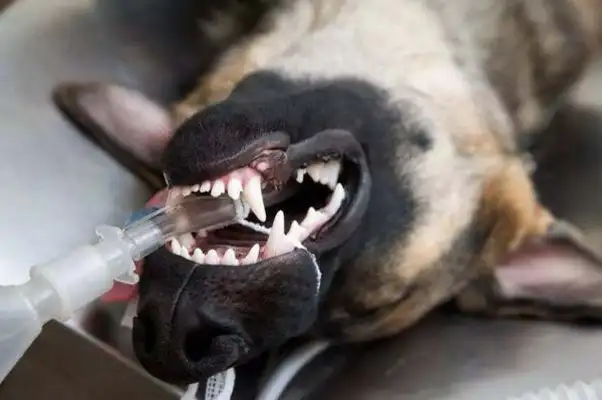
1. Dogs must be anesthetized when washing their teeth, as it is likely that the dog ' s movement or resistance will result in a broken tooth and that it will be more difficult to clean deeply.
2. Anaesthesia, though necessary, is also more risky, so it is best to find a professional pet doctor who can better control the extent of the anaesthesia and monitor dog signs throughout the process, both to ensure that the dog is not awake and that his body is not damaged.
And before dogs wash their teeth, it is advisable to conduct a full range of health examinations, such as haemoprotein, liver kidneys, heart, etc., to ensure safety.
4. The owner is therefore normally required to improve the cleaning of the dog ' s teeth and to ensure at least a weekly frequency in order to reduce the risk of dental disease. Do dogs have no anesthesia to wash their teeth?
There is also a risk of anaesthesia-free tooth washing, and there are now a small number of pet hospitals that provide an anaesthesia-free tooth washing service, by placing dogs behind the operating table, manually removing and cleaning them using a shaving or sting.
The absence of anaesthesia has little advantage other than lower prices:
1. Because dogs may have violent resistance during the process, broken teeth due to lack of anaesthesia are common and, in serious cases, even fractures of the upper jaw.
2. It is impossible to clean and treat a tooth without anaesthesia, which can only be used against a minor toothstone, such as an internal toothbrush or a toothbrush. Last one. Next one.