Designation: PET3662
English name: Copellaigenmanni
Origin: Guyana
Vulnerability to disease: end-of-life disease
Life: Overview of the species of watered fish 4-5 years old
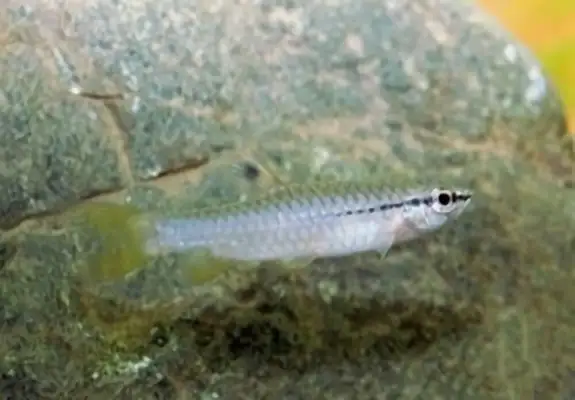
Spattered fish eat their own eggs, but they protect their eggs in a very special way. Spattered fish are commonly known as four-line, black and silver onions, which are 6-8 centimetres in length, originating in the Amazon basin.
Chinese name: Spatterfish
School name: Copellaigenmanni (Regan, 1912)
Cobby: Garbage Wall Section
Origin: Guiana Splash Fish Exterior Characteristics
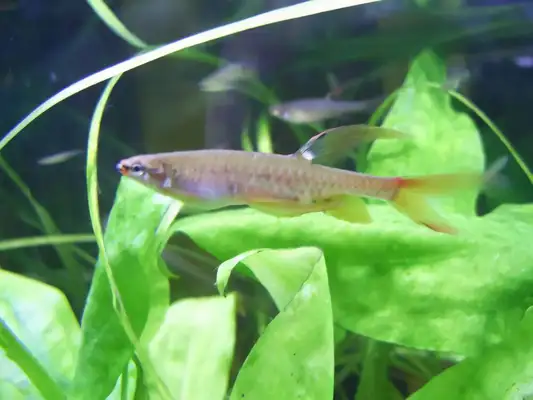
Spattered fish, originally from the Amazon basin, also known as four-line flowers, black silver onions, are loved by many fish friends because they protect their eggs and are gentle and easy to feed. So what's so special about the shape of the Spattered Fish?
The size of the squirt fish, the black stripes on its side, the red spots of the rules, the 6-8 centimeter length of the squirt fish, is not beautiful, but it is popular with many because of its peculiarity in spawning. The male fins, ass fins and tail fins are longer than the female, and the size is one large and the difference is easy. Spattered fish breeding environment
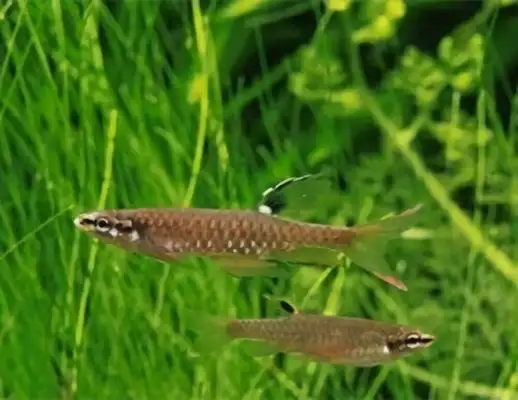
The special thing about splash fish is that they can protect their eggs, because they eat their own eggs because of the fat carvings, but they protect their eggs in a very special way, which is very popular with fish friends, and therefore their rate of breeding is very high.
It is surprising that when squirt fish lay eggs, female and male fish jump out of the water and lay the eggs on rocks or waterweeds off which the fish cannot reach. Temperatures of 24-26°C are neutral to less acidic and temperate, but tanks must be capped to prevent them from jumping out. Squirt fish feed.
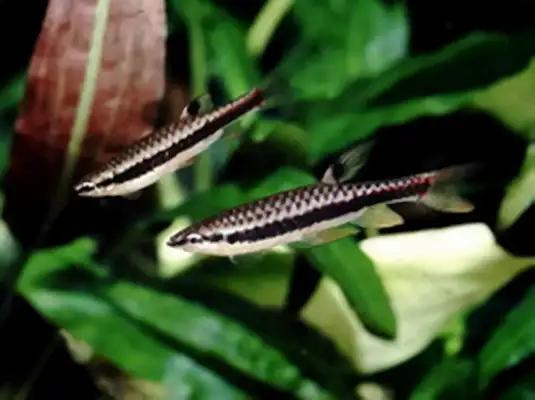
Pumping fish must be careful to cap the fish tank, which, although it is a temperate practice, also likes to jump, which prevents them from jumping. Spattered fish enjoy live bait and need to be fed in a nutritionally balanced manner.
The eggs of the squirt fish are wrapped in glue, with 100-300 eggs per spawning, which can hatch for about three days. During the incubation, the male guard was nearby and often used his tail fins to pour water into the eggs to prevent their drying and to be known as “spatter fish”. When a juvenile hatches, the film melts, while a juvenile begins to swim in water, feeding the worm for three to four days and then changing the flea to feed.