 I. Overview of varieties
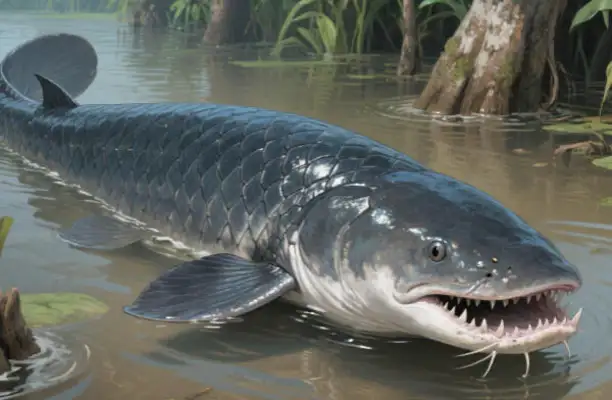
Pangasius gigas, which belongs to the catfish sector and originated in South-East Asia, particularly in the Mekong River basin. As a large freshwater fish, it is known for its vast body and unique oral structure. The size of the catfish, which can generally be up to 1.5 metres, is one of the focus areas for viewing and farmers. Their appearance is characterized by flat and wide head, with the former chief minister having more visible skeletal, big eyes, wide mouths and slightly forward-looking features.
The fish is fine and rich in protein and has some economic value. Its static swimming and large sizes also make it a major player in large aquariums. Of course, the maintenance of catfish is also difficult, especially in terms of spatial and water quality management. II. Characteristic characteristics
The catfish are relatively mild, but there is also some territorial awareness, especially during the breeding season or when there is a lack of space. They belong to bottom fish, which often swim at the bottom or bottom of aquariums, showing a strong desire for exploration.
Owing to its large size, catfish are highly adaptable to the environment, but the stability of water quality in breeding still requires attention. They prefer a calm water environment to avoid strong currents and mutation water temperatures. If mixed with other large bottoms, attention is drawn to the division of space and territory between them in order to avoid unnecessary struggles. Water quality requirements for rearing techniques: Catalfish are highly adaptable to water quality, but have low levels of ammonia, nitrite, nitrate in water, regular water exchange and water temperature control between 24 and 28°C. The PH value should be 6.5 – within 7.5, the alkaline environment is more favourable. Aquarium size: given its large size, a minimum of 300 litres of water space is required, otherwise it is likely to cause stress or health problems after growth. The water should be high enough to give the fish enough room to swim. Filtering and oxygen: Strong filtering systems and adequate oxygen supply are needed to ensure clear water quality and oxygen abundance. The use of gas pumps and bottom filtration systems can improve water quality and environmental stability. Feeding management: The catfish is a greasy feed, preferring high protein feed. Fish grains, shrimp, earthworms or special bottom feed can be provided, and care is taken not to feed too much in order not to deteriorate water quality. Each feeding should be done within 2-3 minutes of stomach capacity. Reproduction and matchmaking: Bones have difficulty breeding and need to simulate natural breeding environments, such as increased water temperature and reduced light in water. The reproductive season is usually warm, and the male protects the female. Reproduction success rates are low and are generally incubated. IV. Attention and potential problem size dilemmas: big fish are highly spatially demanding, and if space is insufficient, pressure and even health problems can occur. Water quality control: Water quality changes are sensitive and cause disease, and water quality parameters should be regularly tested. Mixing with other fish: Due to their size, as much as possible avoid mixing with smaller fish to avoid competition or attack. Disease protection: Despite its high resistance, there is still a need to prevent bacterial infections and parasites and to keep the water environment clean.