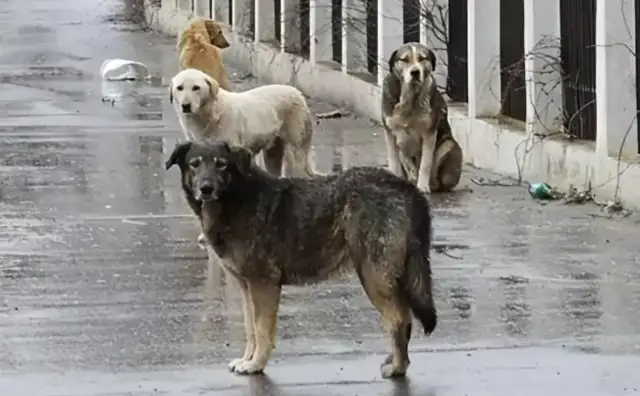
In recent days, Shanghai, Suzhou — United for the common good, the Beijing Foundation for the Protection of its Animals and Bernard Bennett's Pure Brands have launched the “Little Vagrancy Feeding” public goods programme and have spearheaded the successful landing of the public goods flash drive in the two core business circles of the West Bank, the Shanghai Center of Dreams and Suzhou Bar Street, which has attracted the participation of a wide range of caring people. In order to continue to expand the influence of the public good and to bring more social attention to the survival of homeless animals, and in pursuit of the public good, to take full advantage of the lower-line channels, more than 50 brand shops across the country have been joined.
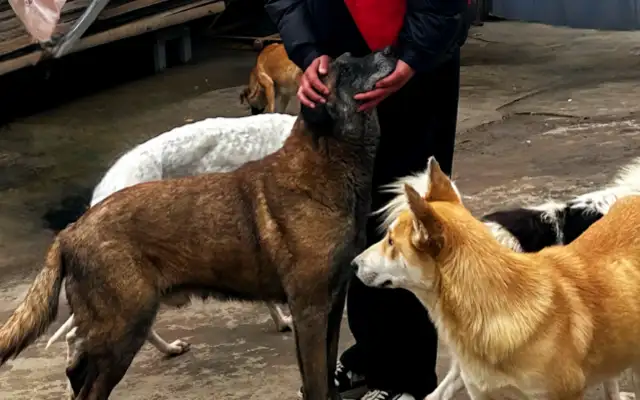
This has not only injected strong pro bono energy into the conservation of stray animals, but has also been a powerful demonstration of the positive application of corporate social responsibility and the passing of brand temperature in pursuit of technology. The project, which aims to create a sustainable science-aided ecology, has succeeded in exploring new models of mutual empowerment of the value of public goods and commercial dynamism, while effectively promoting the development of the science-aid of homeless animals and social governance.
In the face of the enormous challenges of the proliferation of homeless animals, the pursuit of public goods is guided by scientific ideas and the introduction of systematic scientific assistance programmes. According to the White Paper on the Management of Chinese Pets of 2024, the number of stray dogs and cats in the country has reached almost 90 million (about 40 million of them and 50 million of them) and has been abandoned and lost, while the continued reproduction is the main cause. To alleviate this social problem from the source, scientific sterilization is at the centre of the Surgery Programme, which provides professional sterilization to over 200 stray cats. The scientific aid system of pre-sterilisation, accurate donation of food and support stations not only directly improves the quality of individual survival but also effectively controls the continued growth of vagrant animals, with the goal of 70 per cent sterilization in the TNR area.
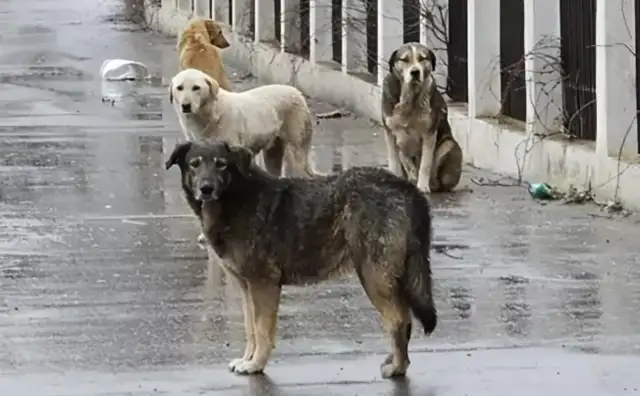
At the same time, the project will accurately match the needs of the adoption centres for stray animals, providing much-needed food support and operational support. In order to ensure the professionalism and sustainability of scientific rescue operations, it is working with authorities, such as its fund, to establish standardized rescue procedures and to promote the idea of “adoption as an alternative to purchase” by promoting information and communication technology.