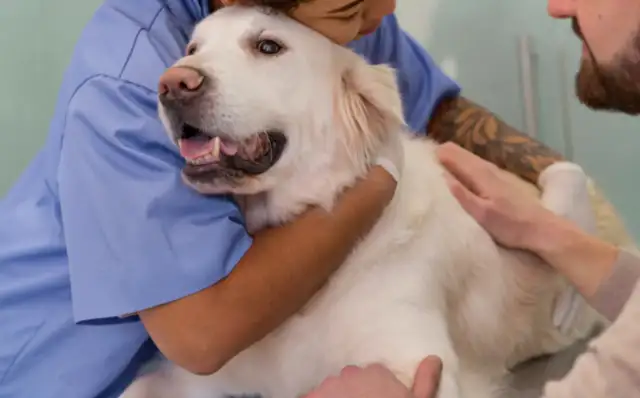
Until recently, Elena Veterinary’s Elena VetTM gene therapy in the United States of America had a breakthrough in clinical trials: 17 pet dogs suffering from osteoporosis received a weekly p62 dose, 90 per cent met the “treatment success” standard (a reduction in the severity of pain by 1 point and a decrease in the interference rate by 2 points), and the quality of life rating of “good/good” dogs increased only from 1 to 12.
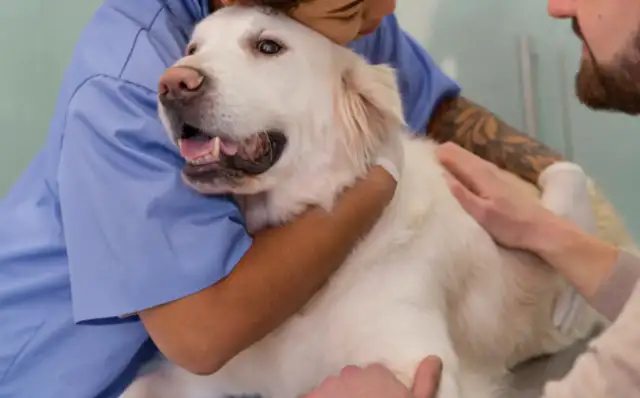
The treatment, which produces anti-inflammatory factors autonomously through muscle cells, avoids the risk of organ toxicity through the long-term use of inflammatory drugs (NSAIDs), and is expected to be submitted to the FDA for approval in 2026.
OA is a gradual glitch disease that is common in dogs, leading to lameness, loss of joint function and mobility, chronic pain and a decline in quality of life. It is estimated that one in five adult dogs suffers from osteoporosis; the dog is prone to sexual bipolarity and separaturism, such as falling asleep, depression or emotionalization, and can even cause pet appetite to decline and hunger strikes.
At present, the non-paralytic anti-inflammation drug (NSAID) remains the preferred drug for clinical treatment of canine arthritis, which has a better anti-inflammation, pain relief and decomposition effect. However, the long-term use of standard non-inflammatory drugs (NSAID) can lead to increased blood pressure, stomach ulcer and, in some cases, kidney or liver damage.
In the CBPI, the canine pain severity rating for OA was reduced from 5.25 to 3.25 and the pain disturbance rating from 7.0 to 3.27.

Ninety per cent of dogs meet only the test of “treatment success” (PSS down 1 point and PIS down 2 points). The number of dogs with “good/excellent” quality of life increased from 1 to 12. The improvement noted by the dog owner for the first time occurred in two to four weeks; it reached a steady level in six weeks.
No major adverse incidents were reported during the treatment, including vomiting, diarrhoea, epilepsy or laboratory tests.
According to Robert Devlin, Managing Director of CureLab Veterinary, “ElenaVet has now demonstrated, in a rigorous peer-reviewed environment, that a weekly gene therapy can effectively and sustainably relieve pain and does not pose an organ toxicity risk like the long-term use of inflammation drugs. These results provide us with a solid basis for conducting a larger scale of control tests and eventually obtaining United States approval.”