No.: PET1500
English name: Cheirodco axclrodi
Origin: Brazil, Colombia, Venezuela, South America
Vulnerability to diseases: white spots
Life: 3-4 years ' profile of the Pauline lightfish species
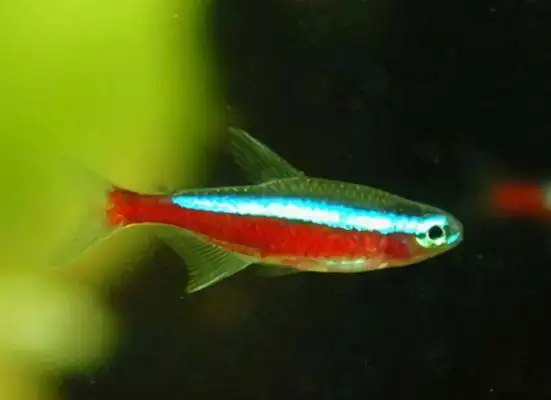
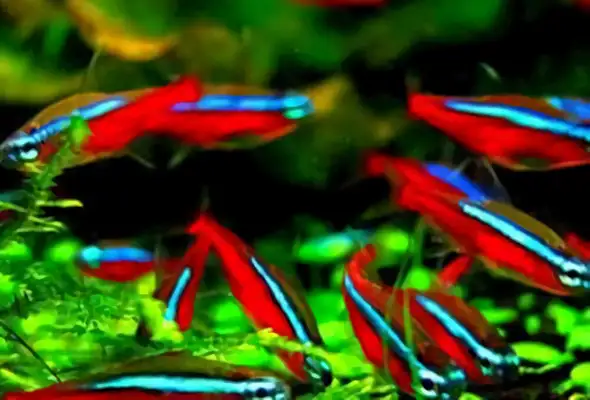
The Pauline Lampfish, also known as the Sunlight Lampfish, the New Red Lotus Lampfish, are small in size. They are also called red green lamps because they have a red plaque in the back of the lower part of the bright blue green belt, full of metallic radiance and flash.
Context: Animals
Actinopterygii
Section: Plasm Walls Characidae
Speculation: Paulrodi
Latin
Two words: Paracheirodon axelrodi
Gate: Trondata Gate
FLOW CRAciformes
It's a neon-fat wall, and it's a Palacheirodon bellfish.
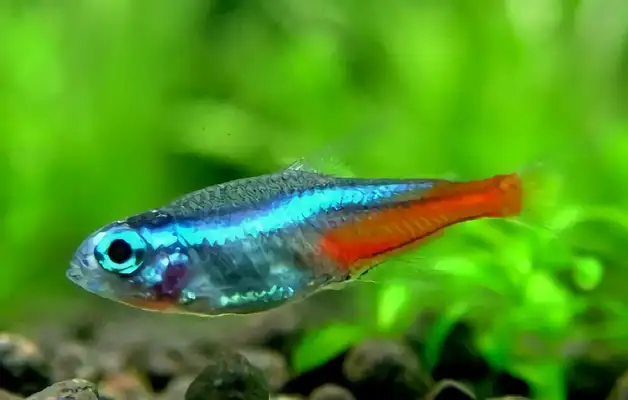
The Pauline Lampfish originated in the slow-moving rivers of Brazil, Colombia and Venezuela in South America. They are now being raised by fish friends as a sort of fish that has been dropped in the aquarium.
The Pauline Lampfish, the existing fish can be divided into cartilage fish and hard-bone fish, such as sharks, linear fins and beam fins, both of which first appeared in the early mudslides. The plumfish are relatively demanding of the water environment, and they prefer a weak acid water quality suitable for living at a temperature of 24-26 degrees. The light in the environment is darker, and Pauline lightfish prefers to meet at the lower level.
Pauline lightfish, fish 4-5 cm long, hammered, flatened, slightly wider than the red and green light. In the case of groceries, some animal baits can be fed during farming, which can help fish keep their colours beautiful. Such aquatic fish are mild, easy to mix with other tropical species, and are responsive and well swimming.
Not only can other tropical fish be fed in the aquariums where the bellows are grown, but also some more weeds can be grown, which can provide a shade of light and a more comfortable living environment. The Pauline Lampfish, which is female and male, is generally thinner, while the female has a larger body and a bigger abdomen. And the color of the male is brighter than that of the female. The point of the Pauline lightfish.
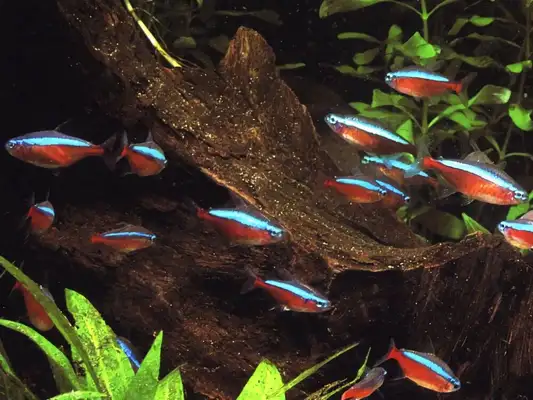
The bellfish are tropical fish, so the water quality and temperature requirements are high, they are bottom fish, and the image of the bellfish in the aquarium is very beautiful, so how can they be properly raised?
Precious fish breeding requires higher water quality temperatures. The most appropriate water temperature for growth is 24-26 degrees Celsius, which favours acidic water quality. They are used to working in the lower layers of the water and do not need too much light. As a result, during breeding, more plants can be grown for the purpose of shielding the light. At the same time, lamps in aquariums should choose which light is weaker and should not be too long for daily light.
The bellies are greasy, earthworms, bread worms, artificial fish feed, and so on. But feeding requires a reasonable mix, while at the same time making the colour of the fish more beautiful, it can feed some live baits on a regular basis and make the lightfish grow and become more beautiful.
In addition, Pauline lightfish do not need to be replaced with new water on a daily basis, which is usually sufficient for three to five days. At the same time, the water exchange process should be consistent with the standards of new and old water, and the replacement process should be carried out slowly to avoid excessive fluctuations in the water quality environment affecting the normal lives of fish. The environment in which Paulinefish are raised
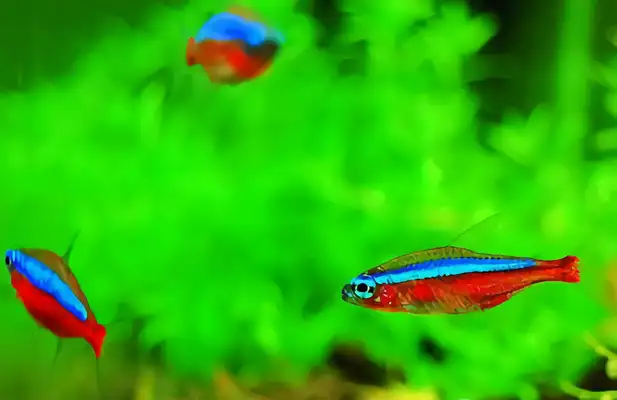
The bellfish are small tropical fish, so it is necessary to raise the bellfish and create an environment in which the fish are raised. Because of their small size, they have little guts, and it is best to put some water and grass in aquariums to hide from them.
Precious water temperature is more demanding for the Pauline lightfish, preferably at 24°C, with a suitable range of 24-26°C and a dim light. It is a bottom fish that likes to operate in the lower layers of the water, which can be replaced once in three to five days, which cannot be replaced by extra diligence, which must never be high or low, which is too volatile, and which requires a thermostat. The fish casks that feed the Pauline lightfish should be wide-leaved to shield the strong light and create a darker and quieter environment for it. The Pauline lightfish are afraid, so don't let anyone come in, and there's a loud noise. Small, live baits should be chosen to feed the Pauline lightfish, so that its color will be even more bright. Pauline lightfish feeding requirements
The importance of feeding, although small, cannot be overlooked. The colour of the Paulinefish is also relevant to what it eats.
The bellies are greasy, earthworms, bread worms, artificial fish feed, and so on. But feeding requires a reasonable mix, while at the same time making the colour of the fish more beautiful, it can feed some live baits on a regular basis and make the lightfish grow and become more beautiful.