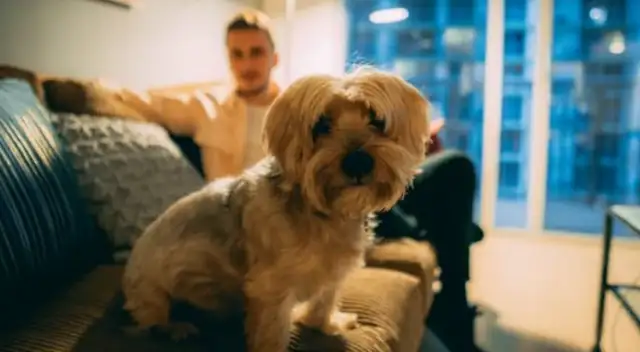
“He who buys his own clothes for a discount, he who buys his pets for food, he who chooses to import; he who can't give himself a gym class but is willing to pay his pets a lot of money for a beauty card — why do more and more people spend their pets as ‘family’?” Today, pets are no longer simply “saturated”, and a complete chain of pet economics is being formed, from pet food, supplies to medical care, beauty, burial. The boiling of the pet economy, ostensibly the willingness to spend money on pets, is essentially an outbreak of emotional consumption demand, which is like a window that reflects the pressing need of modern humans for emotional attachment.
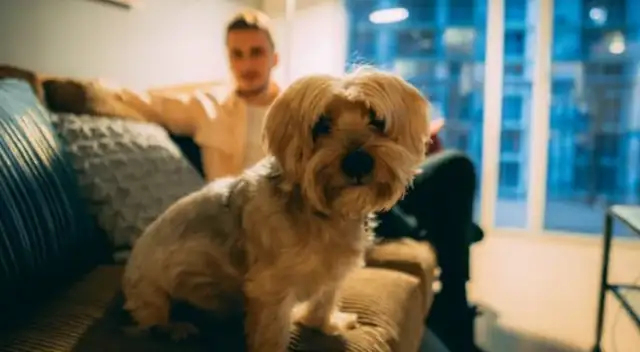
The rapid growth of the pet economy stems from the rise in emotional consumption driven by “accompaniment demand”. As the pace of life accelerates, many people face a sense of loneliness — young people struggle far away from home and lack family and friends; the children of the elderly are absent and their lives are boring. And the presence of pets fills this emotional void: they don't complain, they stay with them, and they bring simple and pure happiness. In order for pets to live better, people are naturally willing to spend money: buying them balanced food in the hope that they will live long and healthy; bringing pets to beauty because they feel that “family” is clean; and buying pets toys because they don't want to be alone. This consumption is not a blind comparison, but a translation of love for pets into action, just as it is for its own children.
The “enrichment” of the pet economy is also reflected in the extension from “material satisfaction” to “mental services”. In the past, pet consumption was concentrated mainly on basic items such as food, cages, etc. There is now a growing consumption of pet services such as pet foster care, training, photography and even pet psychological guidance and funeral services. When people travel, they send their pets to the “Pet Hotel”, where they enjoy exclusive care; when they feel that the pets do not listen, they call on professional canine trainers to train; and when the pets die, they hold small funerals for them and keep them in memory. The emergence of these services suggests that pets are becoming more and more important in people's minds, from being “pets” to “family members”, and that the emotional demands surrounding pets have created new consumer scenarios.
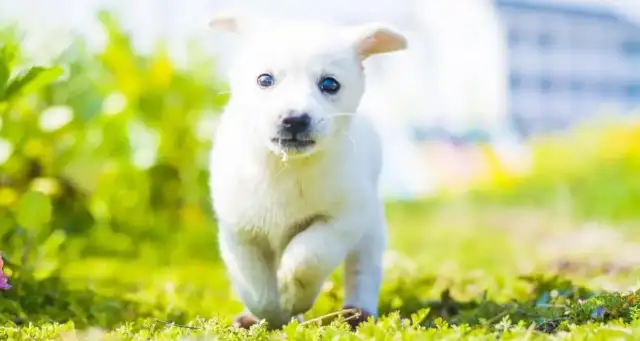
The pet economy is not a “small business”, but a “public market” reflecting the emotional needs of society. It is not an accident but an inevitable consequence of the escalating emotional needs of modern human beings. For a businessman, the key to a good pet business is not to sell “precious products”, but to understand the emotional needs of the pet owner and to provide products and services of a temperature and quality; for an ordinary person, spending money for pets is a personal choice, but also to plan rationally to avoid overconsumption affecting his quality of life. In the end, the heart of the pet economy is “emotional”, whether it is a merchant or a consumer, who captures the essence of “love and company” in order to get the business going further.