If you're still wondering whether it's shoveling shit or walking dogs, you might want to look at this set of data before you decide. The number of pet cats has exceeded the number of pet dogs for four consecutive years since 2019. Did the cat secretly dominate the pet world? The answer is not that simple. The rise of cats is both a microcosm of changes in people's lifestyles and a particular expression of “popular relationships” in urbanization.
First of all, it's not just the cat master. From a practical point of view, the advantage of a cat is indeed overwhelming. Why? Cats do not need to be brought out for exercise every day, independence is so strong that a pooper only needs a regular daily supply of food and water, perfect match to a 996 city that beats workers. And cats eat less, their appetite is mini, and the cost of feeding is much lower than a “bunk” dog. Not to mention their tiny, small-sized, narrow urban apartments. In an Internet tattoo commentary, this is “a sparrow that is small and expensive to fill with the warmth of steel and cement”.
However, this does not mean that the Wang Star has withdrawn from the big stage of the pet economy. The data show that in 2023, the urban pets (dogs and cats) market reached RMB 30.2 billion and is expanding steadily at a compound annual growth rate of 7.5 per cent. In other words, whether you're a cat or a dog, the pet economy is a true “smooth track”. Surprisingly, the industry experienced an annual compound growth rate of 20 per cent between 2012 and 2024. Based on this momentum, maybe the next IPO comes from a pet food brand.
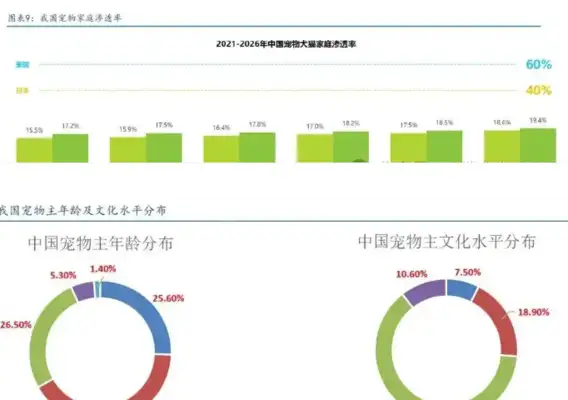
Looking at the rise of the pet economy, there are two important groups of people who have contributed to this “flush storm”: highly educated people, young people with high incomes, and the third-line and following cities. According to the portrait, most of the pet forces are after 90, after 95, or even 00, they consume and are willing to invest in love. After all, in a society where solitude is often acquiesced to as “normal”, pets are not only emotional attachments, but also symbols of identity and lifestyle. In the cities below the third line, the increase in the consumption capacity of the population in recent years has led to a rapid rise in the level of heat culture. From 20.4 per cent in 2019 to 30 per cent in 2023, this group is becoming an important participant in the pet economy. It can even be said that the pet industry is no longer exclusive to the “higher north”, but is a popular party.
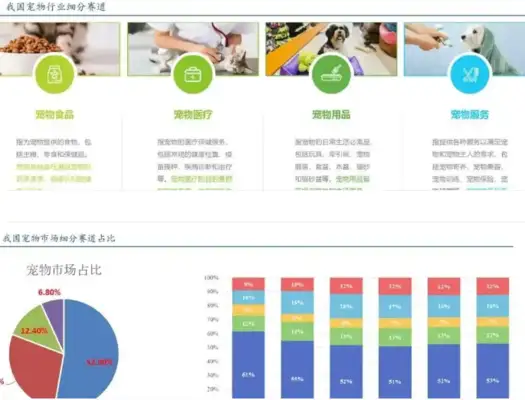
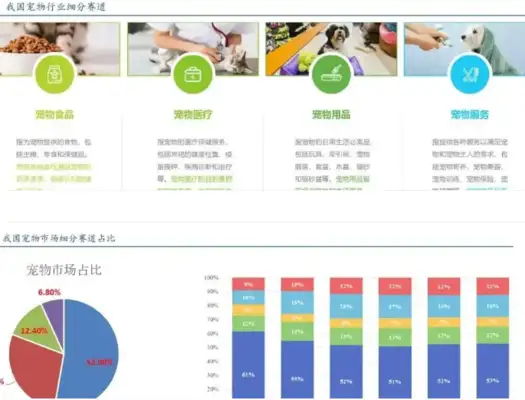
So, how does the demand list for pets drive economic growth? The answer lies in four broad subdivisions of consumption: pet food, pet medicine, pet supplies and pet services. Of these, pet foods are in a comparable position to “water-sellers”, with market share of 52.8 per cent. The owner of a meal for a pet with money is not just a pet, but a pet health lover. The second is pet medicine, with a market share of 28 per cent and a size of $80 billion. While the share of pets and services is currently small, it is a track with great growth potential, and will erupt in the future as per capita consumption capacity increases.
However, even though the pet economy is flourishing, we have to face a solid reality: Our pet penetration rate is three times higher than that of a mature market like the United States. Even in Japan and Thailand, which are closer to their ideological and residential environments, there is a double gap. This clearly bodes well for our pet industry, which is still in its early stages of development and has great potential. This is a challenge and an opportunity.
Back behind the data, what we see is not just an increase in the number of pets, but a change in people ' s attitudes. The expansion of the pet market shows a growing willingness to pay for happiness and companionship. But the question follows: is there a new round of environmental problems that will arise as the pet economy thrives, especially in the third-line cities and towns? Or can we really balance material and emotional responsibility for pets with the normative conservation requirements of cities? All of this has to be answered by time and society.
So, when you decide next time whether to have a cat or a dog, don't just think if it's a cat or a dog or a dog. Let's see if you're ready to take the responsibility of this company. It will not only be an economic debt, but also an attitude to life and may even affect the future of social development. And each and every one of us, would you like to deliver a perfect response to this experiment of "Love and Economics"?