Designation: PET1229
English name: Tanchokohaku
Origin: Japan
Vulnerability to diseases: albino disease, rotting tail disease
Life: 4-5 years of Dantop Wall species profile
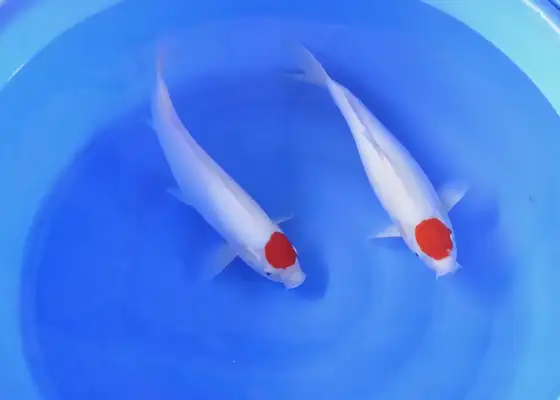
There is a lot of variety, and many people tend to use it as a fish. Dan's top wall is very special because it has a red dome right above its head. In Feng Shui, there is a name for "The Greatest of the Great" so that many of the elites tend to feed Dan's top walls.
Chinese name: Dan Peng Wall
Latin name: Tanchokohaku
Geographical distribution: Japan
Forms of reproduction: spawning climate zone: temperate zone, cold zone
Body characteristics: Little red or single colour stripes in the centre of the head. The shape of the specks is characterized by the shape of a circle and a “shoe-sucking” type (the front circle behind it) as the outer shape of the top roof.
Dan's wall is white, but there's a red stripe on the top of the head, and because Dan's wall is very special in shape, it has the name of "The Great Hand". Windwater top walls are the main cause, so fish friends who are fishers need to be careful about the windwater. There are two pairs of beards on the side of the mouth, whose skin contains sensory cells similar to taste buds, which can distinguish the taste and then feed in the mud; they have no teeth, but they have developed throats that can chew food. There are five pairs of arcs behind the tongue, and the outermost arc is what is called americium, which can leach plankton from the water. Dan's top wall breeding environment
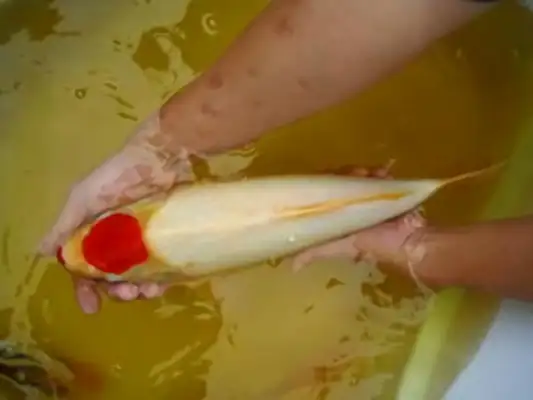
The need for water quality is not high in the case of the Dantops, but water quality management also requires attention. Given the small size of the Dantop Wall, nutrient density also needs to be managed and different breeding environments adapted.
Dantops are temperate fish with an appropriate temperature of about 8-30°C. It is highly adaptable to the environment, but it is vulnerable to dramatic changes in water temperature, especially when the temperature difference changes by more than 4°C, when a white membranes appear on the body surface, i.e. cold symptoms, be careful.
There are only two ways to change water: partially and completely. Part of the water is for water. In open-air fish pools, the release of an old water volume of 1/3-1/2 and the direct addition of new water can stimulate the appetite of fish and partially improve water quality as a way of maintaining the water quality of Dan's top walls. A domestic water tank can suck out the stains from the bottom of the tank with a soft plastic pipe, with a volume equivalent to 1/3-1/2 of the original water volume, and then inject new water at the same temperature with a soft plastic tube. When all water is replaced, two thirds of the old water is released and the fish is taken out of the net and replaced by new water at the same temperature. Household water tanks, all of which are replaced with water, must first be powered out of all the equipment in the aquarium, and when the old water is released, the glass tank can either be rinsed with a soft cloth or immersed with low concentrations of potassium permanganate. When Dan's roof walls change water, old and new water temperatures are balanced and temperature differentials should be kept at 1-2°C. Dan Top Wall Feed Management
It is not very difficult to feed the walls, as is the Dantops, where animal feed, plant feed and artificial particulate feed are accepted. But in order to grow a beautiful and healthy Dantop wall, care must be taken about daily feeding management and scientific bait to help make the Dan top wall healthier. Dan's wall is a thermogenic animal, and all its activities are related to changes in water temperature. Most of the Dantop Wall campaign is about bait-seeking in the water, living side by side peacefully and without the habit of occupying territory. At the Dantop Wall farm, at dawn, it is common for Dantop Walls to feed along the edge of the pool.