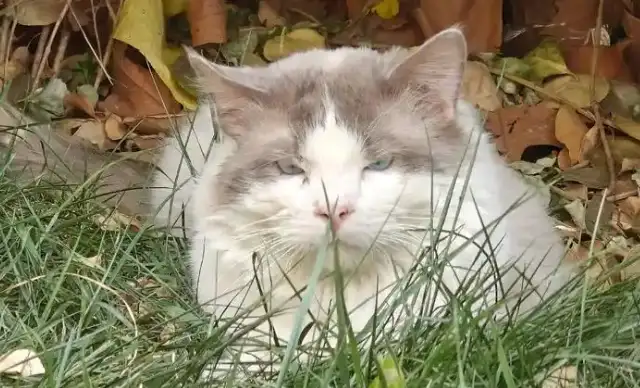
In recent days, 164 vagrant cat sterilization places have been introduced in the Shanghai Monument, with 22 pet hospitals providing joint surgical, anesthesia and ear cutting services. In 2025, the district provided over 600 places to control the number of stray cats through TNR.
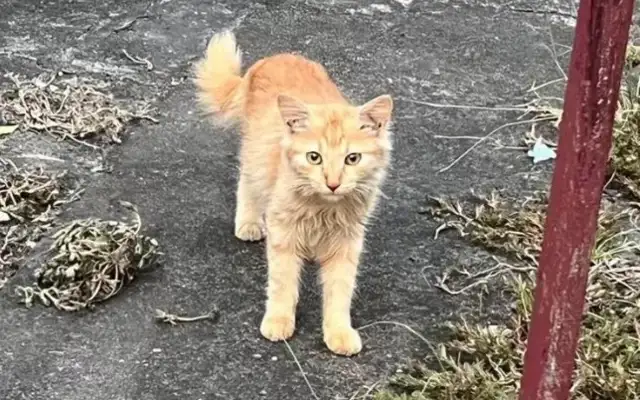
It is known that the Centre for the Prevention and Control of Animal Epidemics in the Monopoly District has carefully selected three neighbourhood committees in three street towns in the district to work together to promote the creation of a model rabies immunization district. The number of stray cats in these sub-regions is clearly captured under the scrutiny of the local council. The situation has improved significantly since the launch of the TNR pilot project in July this year — the capture, sterilization and repatriation process. The results of the pilot show that the initiative has not only succeeded in reaching a large number of stray cats, but has also effectively managed their growth, thereby contributing to the improvement of the community environment and helping to ease the tension between cats who love them and those who hate them.
Piloted by three neighbourhood committees, vagrant cat sterilizations have been carried out in the district, and the demonstration role of these districts provides lessons for other sub-districts in the district.
The problem of stray cats in small areas has been plaguing many of them, and frequent complaints have been received about injuries, which not only affects the quality of life of the population but also increases the risk of rabies. In response to this problem, a pilot implementation of the internationally accepted TNR model has recently been initiated in the Bank region. The model transports stray cats to a designated pet hospital, where they undergo a medical examination and undergo sterilization before being released to the original district. This initiative has yielded significant results. Through the sterilization of 36 stray cats, we have succeeded in curbing the increase in the number of stray cats and the disorderly reproduction of them, thus resolving problems at source.
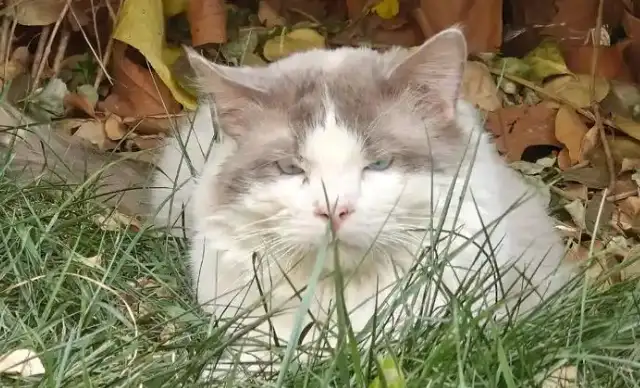
At the Red-Snack Pet Clinic on the street of Jiangchon Road, we witnessed the whole process of sterilisation of stray cats. The clinic staff gave a stray cat who had just completed surgery to the street animal control liaison officer, who was responsible for the subsequent placement. The head of the clinic gave a detailed account of the process: first, routine medical check-ups for stray cats to ensure that they were fit for surgery; then in vitro deworming; then sterilization; and, lastly, vaccinations for stray cats before discharge to ensure their health. Upon completion of these steps, stray cats were placed in their former neighbourhoods, where the local neighbourhood council and the cat-lovers worked together to follow up their lives.
At the red nose pet clinic in the street of Jiangchon Road, the sterilization of stray cats was carefully examined, in vitro deworming, sterilization and vaccination procedures to ensure post-operative health. Vagrant cats who have undergone sterilization are released back to their former neighbourhoods, where residents and cat-lovers work together to monitor their living conditions and ensure that measures are effective and sustainable.