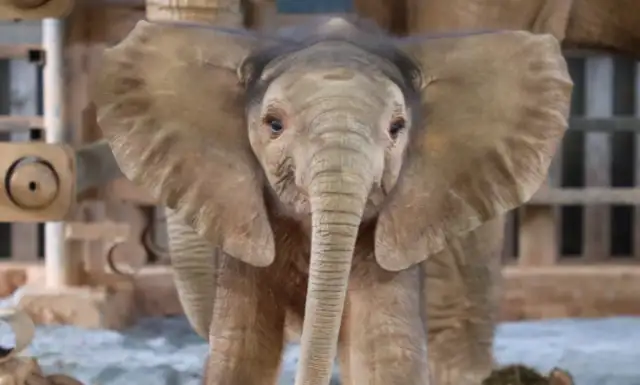
One of the greatest challenges to the protection of elephants in Africa is breeding, a challenge that has finally been overcome by Shanghai Wildlife Park in recent days, after nearly a decade of tireless efforts since the introduction of 12 African elephants in 2016.
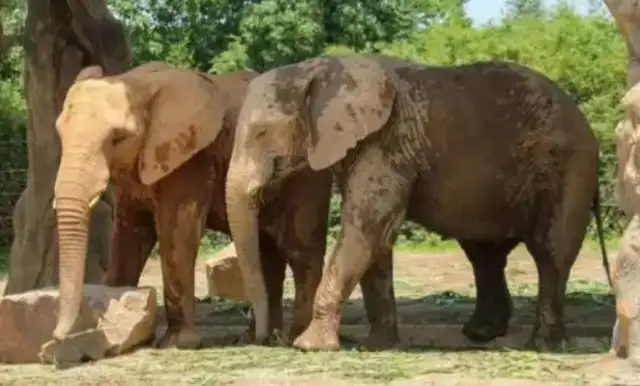
Since the birth of the first African elephant baby in Hatoyama last November, the park has had three successive babies for more than six months. On 27 November 2024, the young African mother, White, successfully delivered a healthy young male, White, weighing over 100 kg. On 13 February 2025, after 22 months of pregnancy, African elephant “Lulu” successfully produced a small elephant “Liqué”, weighing 135 kg at half-month age. On 22 May this year, Africa, like Ruth, successfully gave birth to a female elephant weighing about 90 kg.
African elephants are extremely sensitive to the climate, food and social environment, and a slight discomfort may affect their survival and reproduction. In the face of this challenge, Shanghai has boldly innovated, adopting a large stock-breeding management model, to craft an ecologically small environment very similar to Africa ' s natural living environment.
From the abundance of food supplies to the development of individualized nutrition packages, from regular weighing, height measurements to excreta weighing, medical tests and deworming, each measure reflects the fact that caregivers explore care and parenting for African elephants.
Journalists visited the field to see that African elephant Ruth and baby elephants now live in the nursery areas for them. They also live with the “white” and “Lulu” mothers and children. It was described as a deliberate attempt to bring together mothers so that they could teach each other child-rearing experiences and better natural child-rearing.
It is understood that when a mother was first born, a large “Rose” appeared somewhat overwhelmed by the small calves and that an elephant could not stand up to her breasts. As a result, the nurses quietly raised the ground side of the elephant with straw and eventually, the baby ate breast milk. The reporters saw the little head of the elephant swaying as it swallowed. Today, Ruth's baby thrives and thrives. It interacts with its two brothers on a regular basis.
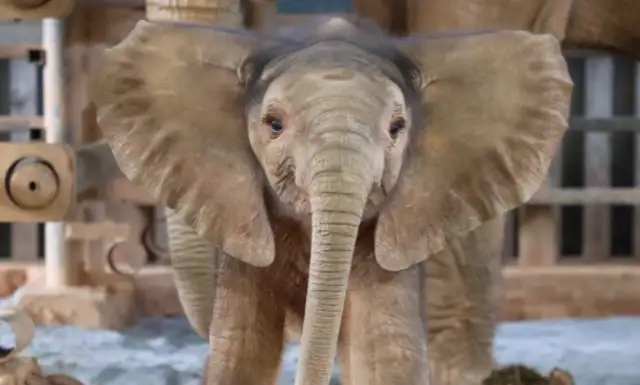
The successive birth of African elephant babies is proof not only of the professionalism of the Hatono in its breeding work, but also of the new thinking and direction provided by the more global cause of African elephant protection. It was revealed that the process of growth of African elephant babies would provide valuable data support for African elephant conservation, reproduction and juvenile development research. In the future, it is expected to become an important member of seed exchange, contributing to the enhancement of genetic diversity that feeds African elephants.