Designation: PET2431
English name: Angora
Character: Wimble, dumb
Origin: Province of Angola from Turkey
Epidemics: spherical worm disease, fungi disease
Life: 5-7 years
Value: An overview of the variety of Angolan rabbits around $500
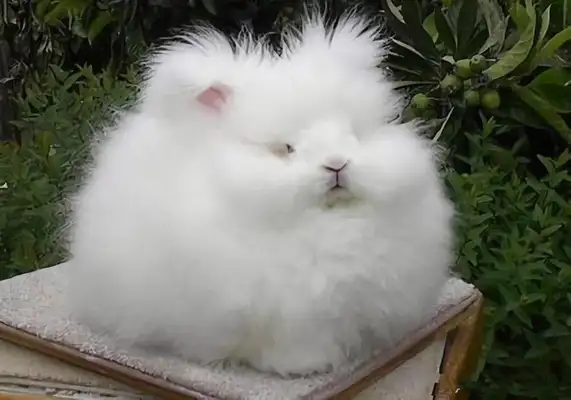
Angolan rabbits are the red grass rabbits on the Internet, which is a very common kind of fur rabbits, which produce large amounts of wool and are not expensive, so they are not as scarce as camels, but, on the contrary, there are many breeding grounds for Angolan rabbits in the country. Now that people are increasingly fond of furry pets, Angolan rabbits are also entering ordinary homes, most pets.
Angolan rabbits originated in Ankara Province in Turkey, formerly known by the West as Angola (Angora), and were renamed Turkish “Ankara” in 1930 at the request of Turkish postal law. Because of its long hair, it's a bit like an Angolan goat and an Angolan cat. It was popular in Europe at the end of the 18th century because the French royal family used it as a pet.
Chinese literary name: Angolan Rabbit
Two words: Angora.
Context: Animals
Gate: Pipeline gate
Programme: Lactation Programme
FIND: RABBITS
Section: Rabbit Section
Distribution: Angola Province from Turkey
Classification: Angolan rabbits can be broadly divided into five categories: Enland (United Kingdom Angola), French (France Angola), German (Germany Angola), Satin Angora (Small Angola) and Giant Angora (Grand Angola).
Prices: The prices of Angolan rabbits are not expensive and vary considerably, typically around $300-500 and some can reach $800. Characteristics of the Angolan rabbit
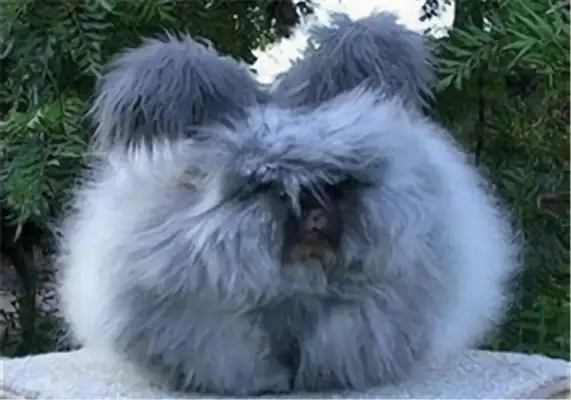
Angolan rabbits are the world-recognized, more typical species of fur rabbits, and when they do not cut their hair, they look as if they are grotesque, and when the hairs on their faces and ears are slow to grow, they are cute.
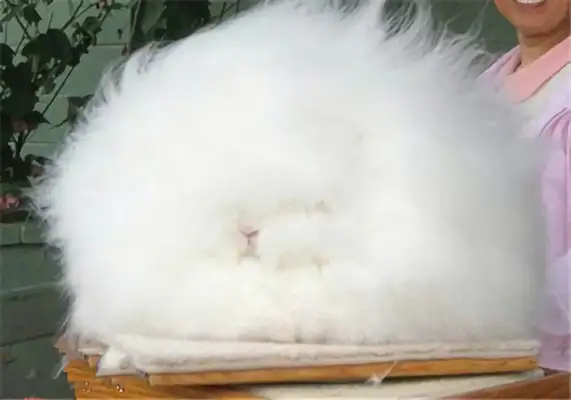
Angolan rabbits are raised mainly by thin and soft rabbit hairs because of their filament during their sleep. Hare hair is only 11 μm in diameter, which is softer than Kassemi. The Angolan rabbit has a beautiful look and looks like a hairball with face. Most are gentle, but be careful. Brushing is necessary to prevent the loss of their hair and the removal of their hair. The hair block (wool block) is a common problem for Angolan rabbits and is dealt with quickly when it arises. In three months to April of the year, they cut hair once.
Rabbits are not as sensitive as many other animals. The average life expectancy of family-owned rabbits is about 7-12 years, but that of wild rabbits is shorter. They need care. The hair is more entangled because the hair of the hair is less hairy. When raising, care is taken to prevent the formation of hair hard blocks, which clogged digestive tracts is a potentially lethal factor. Appropriate diets can reduce their sensitivity to hard hair. Angolan Rabbit Conservation Knowledge
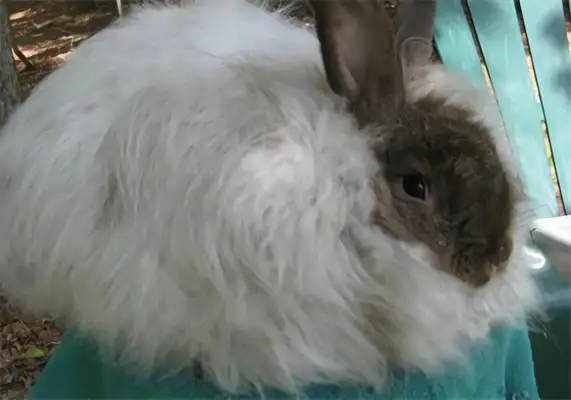
Among the conservation of Angolan rabbits, the most difficult is hair. The problem that hair can cause is not just a knot, and Angolan rabbits are prone to eating their hair into their stomachs, leading to hairball disease.
Like other rabbits, Angolan rabbits need to be fed with a lot of hay. Fibres derived from hay can help prevent the emergence of hair hard blocks. It is also strongly recommended that Angolan rabbits or other hare species use necro feed containing at least 13% fibre, which can be found in the nutritional table on the feed bag. In addition, dehydration may result in faecal insulation, which can provide large amounts of water and salt to promote their drinking water.
Since rabbits digest their hairs when combing themselves, cutting at least every 90 days is considered necessary to prevent the emergence of hard hair. A dietary supplement to a papaya (a grocer-sold papaya vitamin) can help them to collapse the hard hair in their digestive tracts. The hair swallowed by the rabbit cannot cough or vomit, and once its digestive tract is filled with swallowed hair, it will lead to its slow starvation. If it is not treated, the hard hair will also die.
Wide spaces are reserved in rabbit cages for rabbit activity and for the daily placement of fresh, horse-dry grass feed, which can help to remove rabbit hair from its digestive system and prevent the emergence of hairy hard pieces, a method widely used by many professional Angolan rabbit breeders. There is also a common method of adding fresh pineapples and papayas to the feed, which contain pineapple protein enzyme and papaya protein enzymes that help to decompose the hard hair in the body (protein enzyme decomposition) and remove it from the digestive system of rabbits. Also, the way to relax its hair is to put a pine nut for rabbits. Rabbits eat and throw out pine nuts, which become an effective hair collector in rabbit cages. When pine nuts are eaten or covered with hair, they are replaced. Angola Rabbit Living Environment
Each rabbit needs a space of around 2 m2 and this space allows rabbits to exercise adequately in it, with available squirrel cages, large bird cages and cat cages sold on the market. There is also a special toilet for rabbits in the cage, some of whom are born to have good hygiene habits, some of which excrete in designated corners (which can have a special toilet) and others who require training to develop good hygiene habits. An incendiary period can cause rabbits to urinate and spray their territory. Age-appropriate sterilization can be improved. Angolan Rabbit Feeding Points
Angolan rabbits have a single diet, an animal that needs only grass, but can feed Angolan rabbits on a 24-hour basis in order to grind their teeth and body needs, which does not adversely affect him.
Food for Angolan rabbits
Rabbits are almost completely herbivores. Because rabbits have 28 teeth that grow throughout their lives, they need to eat a lot of dry grass to grind their teeth, otherwise they are prone to various diseases. Rabbits should not eat mainly vegetables and fruits, long-term feeding can lead to dental bite problems, gastrointestinal stagnation due to lack of coarse fibres in the stomach, carrots for rabbits are a mistake, and the feeding of rabbits is a very backward feeding method.
The scientific method of feeding is to provide a regular daily amount of rabbit food, an unlimited supply of hay 24 hours a day (Timersi grass or Australian oatsgrass for the main grass, and rabbits like grass in the lawn) and an uninterrupted supply of drinking water (preferably packed with a roller water kettle and easily inflammated with a bowl). In addition, rabbits can be trained to practice as toilets.
II. Can Angolan rabbits drink water?
There's no living thing on Earth that doesn't need water! There are still superstitions that make rabbits drink water and die instantly, and even pet stores will tell the feeders that it is best not to feed. Rabbits, like other animals, die without drinking. Some believe that vegetables and weeds contain large amounts of moisture and that the water contained in these foods is sufficient. The idea is wrong! The water in the fruit and vegetables is not the molecular form of drinking water and cannot replace it!