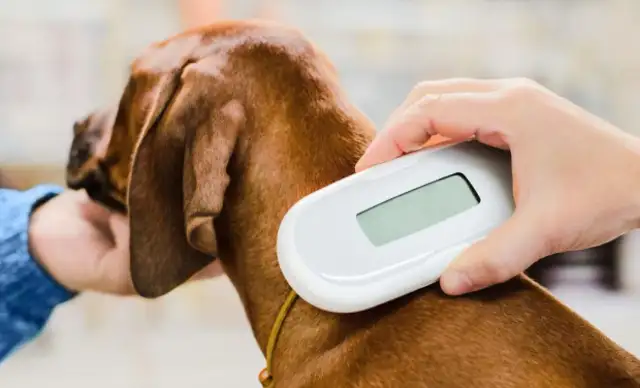
In most people's minds, pet chips are just a glass tube of the size of a grain of rice, the last “digital insurance” to be found when lost, and a sequence of numbers read out by scanners is the key to finding happiness. However, as a result of the development of a web of things, biological sensing and intelligent ecosystems, today ' s pet chips have evolved from static identification to integrated multifunctional, life-cycle smart nodes that are contributing to the formation of a truly intelligent, interconnected, temperature-sensitive pet care ecology.
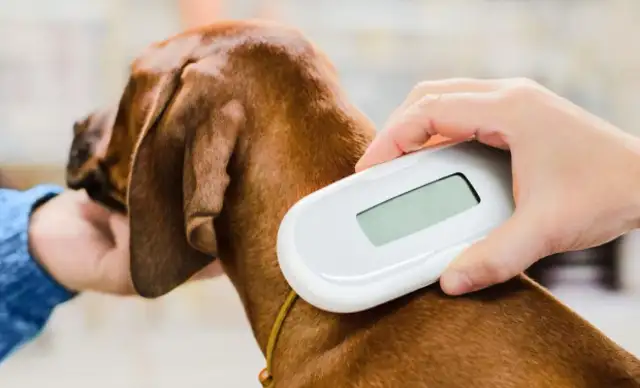
As a globally recognized “digital identity card”, pet chips still have a core value in their basic recognition function. It is not only the only document for pets entering the digital world, it is also a key tool for increasing the recovery rate of stray dogs. Many of the world ' s most advanced pet countries have managed the pet digitization system, relying on pet chip technology and integrating key data such as vaccination, health files and master information. In Hong Kong, for example, illegal reproduction, abandonment, etc., has been stopped from the source through forced implantation of chips; the European Union has used chips as a single logo to bind “Pet Passports” to records of pets' medical records, migrations, departures, etc.; Japan has consolidated pet chips into basic medical records, chip data directly used as evidence of abuse or abandonment; Shenzhen has successfully recovered only 1,000 stray dogs each year since pet chip applications, and chip technology has played a key role in urban pet management, laying a solid foundation for developing a digital, intelligent modern pet management system in Shenzhen City.
The pet chip is rapidly iterative from basic identification to multifunctional integration, biocompatibility optimization and full-cycle coverage, and seeks to accompany pet life at every stage of life through the entire life trajectories from birth to death.
In Shenzhen, at the age of three months, young dogs can implant chips that meet international standards ISO 11784/11785, generating the only 15-digit global code, i.e., the only global identifier. The pet chips used are biocompatible glass with components similar to human bone implants, which can effectively facilitate subcutaneous tissue integration, significantly reduce the risk of migration and exclusion and achieve “one-time implant, one-life”. At the same time, the requirement for foreign adoption of stray animals also requires the enforcement of cores to curb abandonment at the institutional level. In the future, “pre-sale implants” could be further advanced to prevent illegal backyard breeding animals from reaching the market.
The canine chip, which is uniquely marked, is digitally coded in Shenzhen City ' s dog management platform for core information related to the dog ' s vaccination records, varieties, birth information, sterilization status and ownership information, to create a full life cycle archive of the dog and to achieve full supervision of the dog from birth to transfer to death write-off. The next step is expected to include information such as clinical records, deworming alerts and uncivilized dog records, which will gradually result in complete and credible life trajectories. The Shenzhen front-line law enforcement officers are able to quickly obtain information on pet registration, immunization records and pet owner information through specialized equipment to efficiently manage stray pets, regulate pet behaviour and maintain public health and safety in cities. Patient hospitals are able to quickly access the basics of pet medical records, deworming, vaccines, etc., and issue targeted medical programmes.
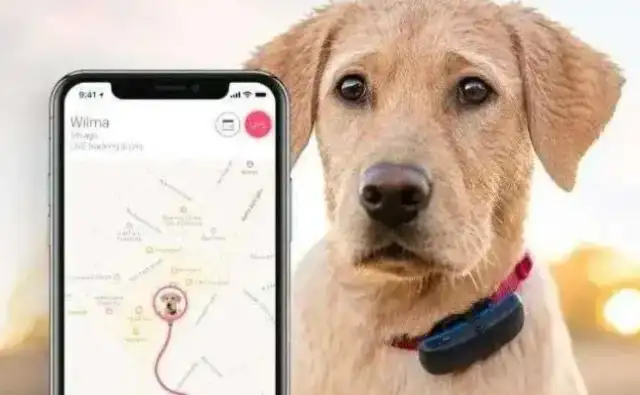
The pet chip is not just an identification, but a global “electronic passport”. With the increasing international movement of pets, chip certification has become a central part of cross-border travel. Most countries require the implantation of a chip that meets international standards, such as ISO 11784/11785. Since 2019, Chinese Customs has also explicitly required that dogs entering China only have chip certification to ensure traceability. At the same time, the EU's “Pet Passport” model (ISO chip + electronic archives) has become an international pole that is promoting the international compatibility of chip coding, will help to achieve cross-border quarantine clearance and move towards global “one core pass”.
The evolution of pet chips is a change from cold technology to warm care. It is no longer just a string of numbers, it is more the smart nodes of a coherent pet's life, of access to everything. Behind this is the expression of the deeper human responsibility for partner animals through technology: not only “find” them, but also “know” them, “guard” them.