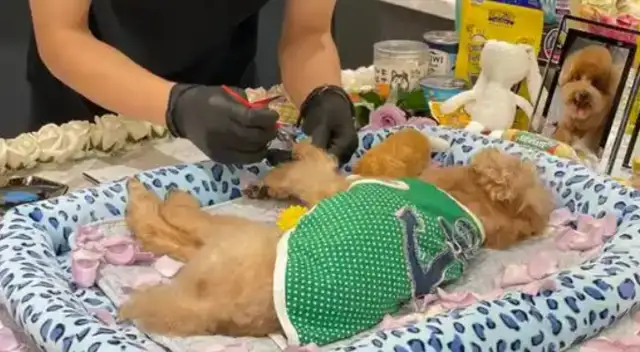
In recent years, there has been an increase in the number of pet families and, after years of company, the “back-to-back” of pets has gradually been given a greater sense of ritualism. However, along with growing market demand, unlicensed “black cremation” services are not uncommon on the market and often cause disputes.
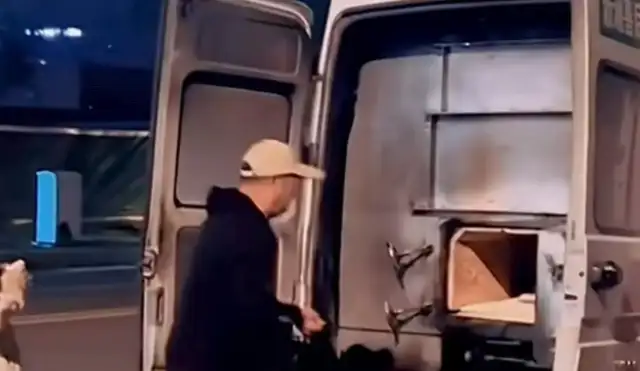
In recent days, according to a comprehensive report from the New People ' s Evening newspaper, a video of pet cremation obtained from the merchants showed that there was a crematorium door service, parked at the corner of the neighbourhood, and that there was a vent above and forward, where the pet body was placed in an incinerator inside the car.
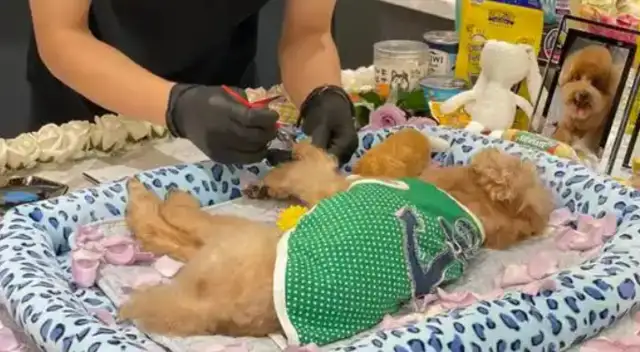
In fact, there has been a number of publicity campaigns throughout the country about the so-called “24-hour burning of pets”. From the demand side, the growing number of pets, many of whom have deep feelings about pets, is becoming increasingly ritualistic in their “back-to-back” disposition. There is also growing understanding and inclusion in society.
At the same time, pet burials also contribute to reducing the risk of environmental pollution compared to traditional burial or disposal practices. Moreover, such services have become an important part of the current “petty economy”. As reported by Xinhua Network, studies show, in 2023, the market for pet burials in China reached 1.825 billion yuan; it is expected to reach 5 billion yuan in 2025 and to exceed 10 billion yuan in 2030.
It can be said that society should enjoy the benign development of pet burial services, whether in terms of emotional needs, environmental protection or economic development.
However, such brutal practices as door-to-door incineration exposed the dangers of the brutal growth of the industry. Professionals have pointed out that these mobile cremators not only lack professional qualifications, but also carry a considerable fire risk, with serious consequences in the event of an explosion or fire. In addition, direct cremation in the vicinity of a small area of the population, resulting in dust and aroma not only contaminating the surrounding environment, but also causing sensory discomfort among the population and even touching the public order line.
In terms of industry information disclosed in the media, this may be a popular exercise aimed, on the one hand, at maximizing the convenience of pet owners and, on the other hand, at the “flexibility” offered by service providers to avoid qualification problems.
In accordance with the relevant regulations, pet burial services, in particular the cremation of pet bodies, require a number of procedures, such as operating licences, certification of animal epidemiological conditions and processing of animal qualifications. In particular, clean quality management involves joint multisectoral approval in rural agriculture, the ecological environment, market regulation, adaptation, natural resources and transport. In such cases, it is not easy for many cremators to acquire qualifications.
Even in the industry, it is stated that “as long as it involves cold storage and cremation of the remains, most of the stores are not in compliance”.
Against this background, “mobile door-to-door cremation” may have become a “guerrilla war” for some traders to circumvent regulation. However, this unorthodox practice is prone to consumer disputes arising from the lack of service standards, and may magnify risks such as fire protection, environmental pollution, etc.
As a result, in the face of the already large demand for pet cremation, the fight against “black cremation” or the difficulty of dealing with the root causes of the problem requires institutional guidance to bring the industry back on track in time. For example, with regard to qualifications, could a “one-stop” qualification approval process be designed for the actual development of the industry, with a modest lowering of the compliance threshold?
In addition, it is also worth considering whether management, on the basis of scientific assessments, could plan for the establishment of dedicated pet incineration sites in appropriate areas to reduce the impact on the surrounding environment and the normal lives of citizens. On this basis, strict regulatory norms are again in place, which are believed to help curb brutal growth.
In the context of the rise of the pet economy, a holistic approach is being taken to the need for a rational development of the pet burial service, especially in the light of the specificity of pet cremation, with the necessary guidance, regulation and genuine co-benefits for emotional needs, social governance and industry development.