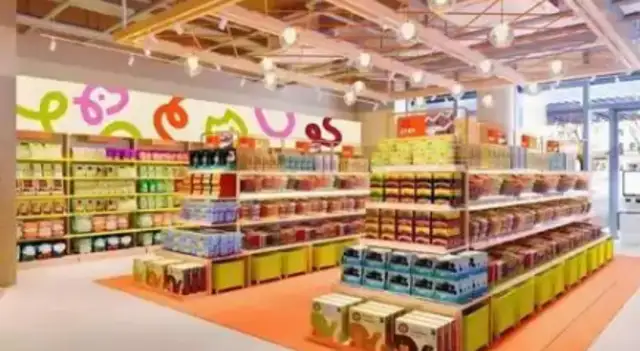
In recent days, the first shop in Shanghai has been opened by the “Pet freshlings”, which are used for pets, cold food and pastries. The shop offers a variety of self-selection and customized processing services, and consumers can make love to “chamber food” or pack it away. "The dog can eat the spicy."
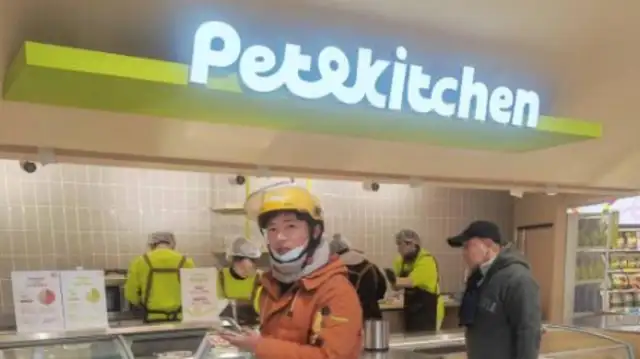
In recent years, the pet economy has rapidly emerged as an important growth pole in the consumer market, as social structures and consumption perceptions have changed. The White Paper on the Chinese pet industry for 2025 shows that the number of Chinese town pets reached 120 million in 2024, and that the Chinese pet economic market was over $300 billion. On the one hand, for the younger generation, pets are no longer mere companions but rather “family” and are more willing to devote time, money and energy to their high quality of life; on the other hand, the supply side of the market has opened up new races through differentiated competition, with the pet economy showing a trend towards diversification and sophistication.
From basic “saturated warmth” to the pursuit of “precision life”, a variety of market services, such as pet beauty, medical care and photography, are emerging, creating an industrial chain that covers the entire life cycle of pets, and even developing extended services such as pet marriage brokers, pet tour groups and so forth, further widening the demand space for pet markets.
However, the “detailed” development of the industry, while reflecting the high expectations of consumers about the quality of life of pets, has revealed problems that cannot be ignored. The lack of uniform industry standards and effective regulatory mechanisms, the absence of industry standards in pet consumer markets, the uneven level of services and the lack of transparency in prices have made the quality of pet services difficult and consumer rights often compromised.
For example, some of the so-called high-end pet foods labelled “naturally” “without adding” “human edible” are not only expensive but also vague in their composition, which may conceal risks to the health of the pets; while some of the chemical dyes and glues used for the services of pets, such as dyeing, nails, scalding, etc., may give rise to risks of skin inflammation, poisoning or miseating, or even stress on the pets. Even more serious is the fact that some businesses have introduced the “shuttle blind box” for the random sale of live animals as commodities, which not only carries the risk of animal abuse and transport deaths, but also constitutes a serious violation of the principles and laws governing animal protection.
The development of pet economies requires a combination of “detailed”, differentiated, humanized and sustainable business models, and a greater focus on “normative”, strict regulation of the quality of market services and effective consumer protection.
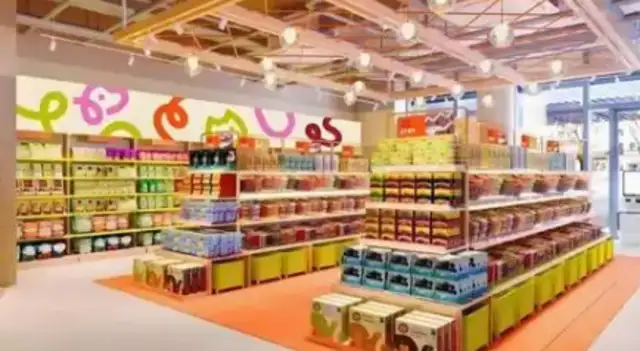
On the one hand, the Government should strengthen the regulation of the pet market, improve the system of relevant laws and regulations and impose severe penalties for violations. At the same time, industry associations and consumer organizations should play an active role in promoting the establishment of systems for evaluating the quality of pet services and complaint-handling mechanisms to provide easy access to consumers.
On the other hand, a merchant's product or service should be based on the core principle of being “foster-based”, with a better understanding of the physical and psychological characteristics of the pet and ensuring that it fits the actual needs of the pet. At the same time, consumer feedback and recommendations are being actively collected to identify and improve gaps in services in a timely manner and to continuously optimize products and services.
In addition, consumers must also be vigilant in choosing, to the extent possible, well-reputable and high-quality commercial consumption, putting the health and safety of pets first and avoiding paying for a obstinate “scene”.