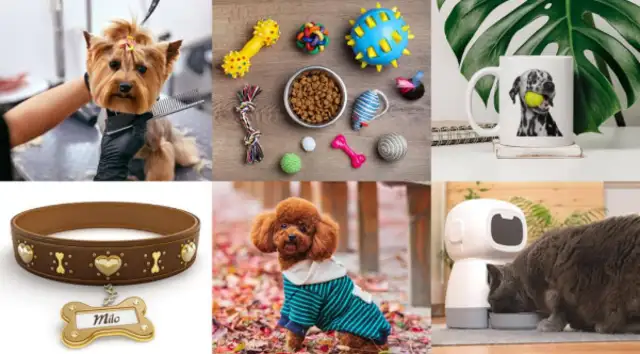
The salmon with blueberries, chicken chests with green mouths, beef gravy with blue bowls of nutrients ... High-end foods and supplements appear in the video and a dog starts burying his head in the camera. This fine, high-quality meal mix of pets is the true picture of the current youth “rich pets”.

The care and investment of young people in pets has long gone beyond traditional “feeding” and their consumption of pets has been characterized by diversity, individualization and high quality, giving new life to the market economy. According to data, in 2024, the size of the Chinese pet economy had exceeded 300 billion yuan, reaching 30.2 billion yuan, a 7.5 per cent increase over the same period. The market size is expected to grow further to $331.1 billion by 2025. In addition, the proportion of young pets continues to climb, with the number of urban pet dogs and cats exceeding 120 million in 2024. Of these, 41.2 per cent were after 90 and 25.6 per cent after 00.
As the pet economy continues to burn, its industrial chain continues to expand and expand. From traditional pet food and supplies to pet medicine, pet beauty and pet education, the pet economy has developed a full and dynamic industrial chain. Markets show trends of high-end, branding, intellectualization, diversification, standardization and specialization. This has not only provided a broad development space for the enterprises concerned, but has also provided consumers with more high-quality, personalized product and service choices.
From “survival security” to “life quality”
In the past, pets existed more as accompanying animals, and now young people treat pets as family and even give them greater emotional value. According to the survey, only 6.62 per cent of respondents considered themselves to be a mere rearing relationship with pets, and about 33.9 per cent regarded their relationship as a friend. This shift in emotional demand is reflected not only in the daily care of pets, but also in their full life cycle consumption chain.
“Fine feeding” is becoming more common in pet farming. From the social platforms of red books, tremors to micro-chips, to the electrician platforms of poachers and petcats, many businesses have started selling fresh food products, while others have launched a live food production process and launched a monthly meal package. Underline, pet shops and pet restaurants have also started selling pet foods, some of which have also opened out.
“It was supposed to cost the cat $400 a month, and now it costs $1,000 a month. It's not even about other toy expenses." After 95 years, the girl Elena had a puppet cat, which she thought would not be too expensive to feed, but painted videos of the pet ration on the social platform and looked at the discussion in the comment area, she said, “The cat needs to choose something that is nutritious, the snacks cannot be too full, the nutrient supplements must be kept up and the trace elements must not be missing ... Of course, it is best to give the cat and cat fresh food, without additives, better nourishment than the animal's natural diet.”
Unlike simple feeding in the past, young people are more focused on food health and nutrition. Data show that, in 2024, the proportion of pets in the market for the consumption of urban dogs and cats in China reached 52.8 per cent, ranging from the first leftovers to the dry foods of commodities, to customized fresh foods, the concept of petting, the perception of petting and the ability to consume.
In addition, products such as smart feeding devices, smart drinking water machines and smart cat casseroles are well received by young people. In the case of smart cat cisterns, for example, it not only automatically cleans up, but also monitors the health of the pets and makes young people more comfortable. These changes not only reflect young people ' s fine-tuning care for pets, but also contribute to the diversification and high-quality development of the pet consumption market.
Full upgrading of pet consumption
The rapid development of young people ' s pet markets provides vast scope for the expansion of emerging products and services. Young people are no longer content with traditional pet products and services, but rather pursue more diverse and individualized choices. In addition to food and supplies, the market for pet services is rapidly emerging. Health care, insurance, beauty, photography and funeral services have flourished throughout the life cycle.
Technological innovation has also brought new growth points to the pet market. The increasing use of technology such as smart wear equipment and remote monitoring in the area of pet services has increased the ease and efficiency of services. For example, smart health monitoring devices can monitor pet heart rate, body temperature, number of steps, sleep quality, etc. in real time and transmit information to mobile phones or cloud platforms to help owners keep abreast of pet health.
The pet medical market is subdivided and services such as specialist hospitals, pet rehabilitation centres, and pet therapy are available. For example, the independent VIP clinic at the “Stellars” Hospital in Ishikoshi is equipped with a smart monitoring system and the pet behaviour correction course is scheduled for three months. In addition, universal access to pet insurance provides greater protection for the health of pets. Services such as pet insurance, pet funerals and pet beauty are expanding rapidly to form a new “Blue Sea”.
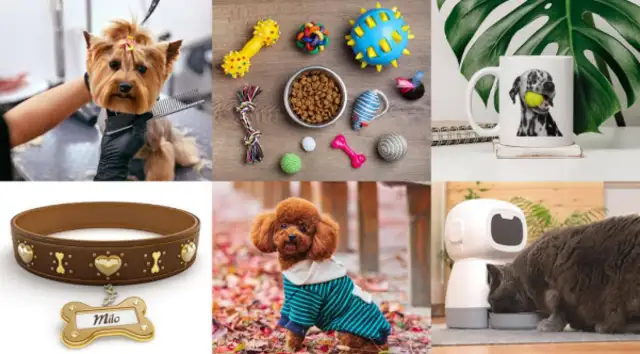
The global pet industry is expected to grow as consumer demand for high-quality pet products increases. Particularly in emerging markets such as Asia and Latin America, the growth potential of the pet industry is particularly high. The market for pet food, pet supplies and pet services is projected to remain stable in the coming years. In China, pet penetration is much lower than in mature overseas markets, and potential space is expected to be released further in the future.
Despite the prospects for the pet market, there are challenges. There are problems in the pet market with uneven product quality, indiscriminate fees for pet medical services, and vicissitudes in pet life trade, which seriously affect the health of the industry. In this regard, Wang, an expert from the Market Supervision Authority, has recommended “to strengthen the regulation of the pet industry, improve laws and regulations and regulate the market order; improve the transparency of pet health services, promote the standardization and professional development of the industry, raise access thresholds and enhance the training of practitioners”.
Behind the booming pet economy is a change in the emotional attachment of young people. At the bottom of the equation, reflected in emotional support and satisfaction, is intrinsically linked to economic capacity, the market climate and the social mentality. More new pet-related business practices may emerge in the future, driven by a combination of factors, such as rising consumption, changing attitudes to pet care, and advances in science and technology.