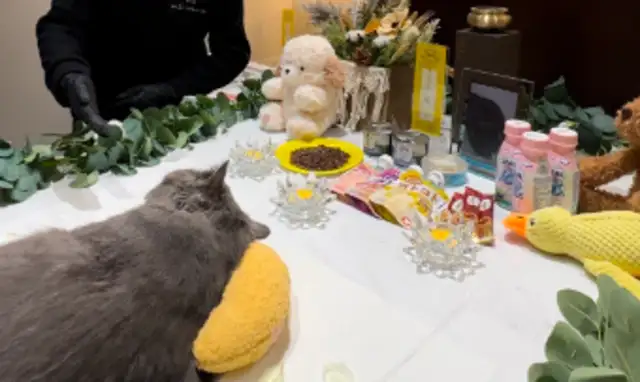
In recent years, with the rise and warming of the pet economy, a growing number of families have seen pets as close family members. What are you going to do after all these years with a pet? This has become a problem for many foster families. Behind this emotional demand, the lack of regulation in emerging industries deserves attention. Given the limited official processing capacity, the multiplicity of private door stores, from qualification clearance to environmental prevention, from service processes to fees, and the existence of grey areas in the pet burial industry, who will manage them? How?
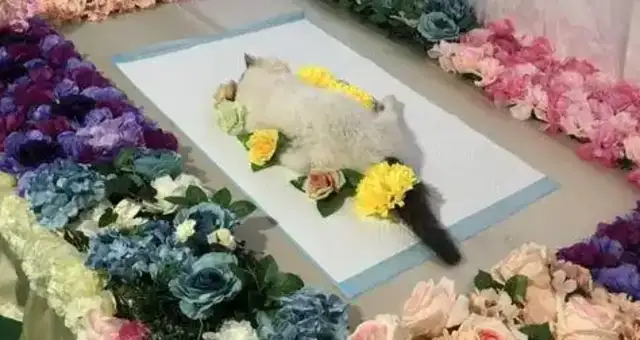
The rise of the pet burial industry is an inevitable consequence of the progress of social civilization and the development of the pet economy. However, the rapid growth of the industry contrasts sharply with the lag in regulation. There are many vendors offering pet burial services on the relevant commercial platforms, but few have clearly established legal qualifications. The prevalence of this unlicensed business has led to a disorderly situation for the entire industry.
The harm caused by unlicensed operations is multifaceted. In terms of consumer rights, there are frequent crises of trust. When dealing with pet remains, consumers know nothing about the process and even doubt the authenticity of the ashes received. Consumers also suffer from half-way price increases, consumer fraud and, at the same time, economic loss and moral damage. From the point of view of public health safety, the death of a domestic pet as a result of an illness may lead to the risk of disease transmission and environmental pollution by carrying a large number of pathogens, viruses or parasites with their remains. This risk is further exacerbated by the poor facilities and irregular operations of unlicensed pet burial businesses, such as random burials and improvised burning.
The lack of regulation of the pet burial industry reveals a contradiction between policy and market demand. Currently, there are no laws or regulations in the country that specifically address the burial of pets, which are based mainly on the Animal Disease Act of the People ' s Republic of China. Businesses or individuals directly operate sites where animals are treated in a non-hazardous manner under stringent conditions and with high upfront investment. Traditional harmless disposal sites are generally organized by the local agricultural rural and forestry sectors, mainly for traditional livestock, and do not easily meet the demands of families for pet burials in the new period. The lack of awareness of pet cremation in the civil administration, market regulation, ecological environment, etc., has led to a lack of regulatory responsibility and a situation of “no care”.
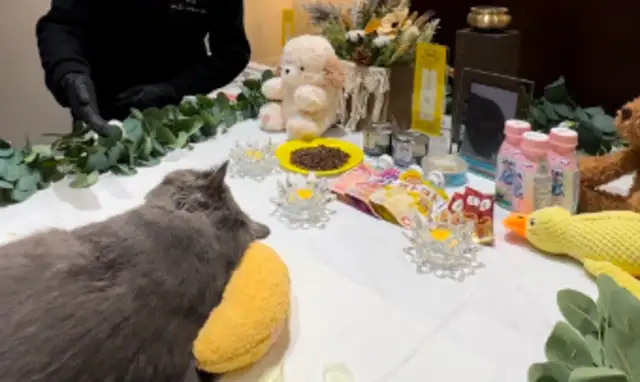
There is an urgent need to regulate the pet burial industry. First, legislation is fundamental. Legislation and regulations specific to pet burials should be enacted as soon as possible to clarify the standards of entry, operating regulations and regulatory responsibilities of the industry and provide a clear legal basis for industry development. Secondly, the standard is to hold hands. Detailed service standards, fees, environmental requirements, etc. need to be developed to ensure the quality and safety of pet burial services. For example, strict regulation of the cremation process; the requirement that a billing item be priced in such a way as to prevent businesses from making a profit from an emotional premium. Again, technology is the means. The development of a system for the treatment of pet remains using modern technology to enable consumers to learn real-time about the handling and results of pet bodies and to enhance trust; and the promotion of green burial techniques, such as the exploration of mobile crematoria and subsidies for green burial technologies, to improve the environmental level of the industry.
In short, co-governance is a guarantee. Governments, businesses, communities and consumers should participate in industry governance. The Government has stepped up its supervision efforts by establishing a multisectoral joint enforcement mechanism to combat offences such as undocumented operations; strengthening self-regulation, improving the quality of services and the sense of integrity of enterprises; improving the system for the recovery of pet bodies through the community ' s role as a socialized service point for the collection of pet bodies; and promoting consumer awareness and actively reporting violations.