As a loving man, Ms. Huo of Jiangsukunshan was angry at the abandonment process he had witnessed.
A few days ago, as she was walking her dog on the street near her home, a white sedan parked not far away, the door opened and the male driver took a pink dog cage from the back seat and put it on the ground and drove away.
"There's a little white Teddy in the dog cage, and he's been screaming since the owner left." Ms. Haugh recalled to the journalist for the Rule of Law Daily that, while she was considering what to do, the white car came back and a little girl ran out of the car crying and running towards the Teddy Dog.

As soon as the parents knew that they had no time to raise a dog and that no one was willing to accept it, they decided to abandon it, but the child was more emotional towards the dog and cried when they heard they had not. “I left my own contact and told the mother of the little girl that if they had an idea of abandonment, I could adopt.” Ms. Haugh.
In recent years, as the number of pets has continued to grow, the abandonment of pets has been frequent. Some pet owners leave their pets at will for a variety of reasons, such as feeling troubled by their pets, wanting to leave the city, being sick, being reluctant to pay for their care, and being pregnant, fearing that pets affect the health of the foetus.
The experts interviewed noted that the increased abandonment of pets not only endangers public health safety, is prone to the spread of multiple diseases, undermines local ecological balance, but also leads to frequent attacks by pets on people and affects the social security environment. It is recommended that legislation be introduced in the area of pets or small animals protection to increase the penalties for abandonment, that a well-established system of assistance and adoption of pets be established, that the threshold of responsibility for rearing be moderately raised, and that fosterers be guided to the right idea of rearing, including through awareness-raising and training.
Journalists drove to the Chinese Society for the Protection of Small Animals rescue base in the mountains of Beijing City. The hope of countless stray cats and dogs, many of whom were abandoned, is there, as well as that of a group of loved ones.
At the entrance to the base, the journalist was greeted by a dog called the Mooncake, half-tongued by his mouth and walking around.
The Mooncake was abandoned because it was the name of the site that arrived on the day of the mid-Autumn Festival in 2024. The “lunar cake” is linked to our base, which was just inaugurated and is being used to campaign for civilized dogs in the vicinity. We gave it to the local security corps, which also gave him general knowledge of civilized dogs when the master went to claim it. Soon after, the Mooncake owner contacted us and said he was going out of town, and the rest of the family didn't want to keep the dogs.”
Journalists entered the sheds built at the base for small animals, which, although cold outside, came with hot air and which were used by staff to heat fire. More than 20 cats in the shed lie in the sun or walk around idlely.
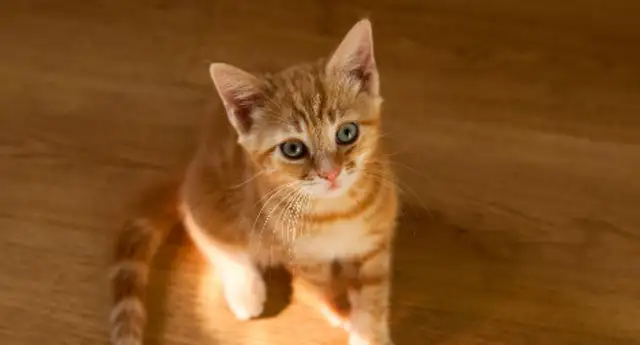
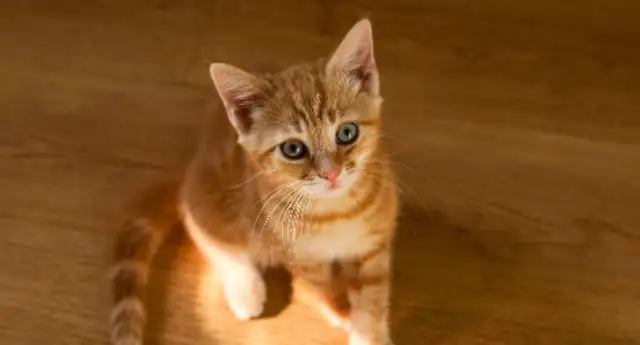
Seeing people, an orange cat lays down and flips her belly. It pointed to the journalist and told him that it had been delivered in the name of foster care, but that the foster person had subsequently lost contact and that the chat software had also blacked out the base staff, “in fact it was abandoned”.
When I came to the dog district, a large group of dogs swayed their tails and quickly quieted down in order to maintain order in the arts. "This is the little white puppy I picked up from the trash can." According to Xiaomei, larger than a palm hand, “when it was discovered, it was particularly small and looked so pathetic that I brought it back and was almost one year old”.
"The black Chinese field dog, called the Little Sea Turtle, has a disability, and when we found it, it was abandoned on the side of the road and had to walk on its face like a turtle. After several months of treatment, after the rescue of the base, the situation has improved considerably. Koki, who was lying there, was found with a hind legs disability, dragged, and the team spent 4,000 multiple treatments on leg-protecting before moving normally.” Xiaomei said that it was sad and painful for some of the owners to abandon the defective breed of dogs if they didn't want to raise them.
“Funding is the biggest problem.” Turning to the challenges of relief efforts, tact opens the box. “The rent of the base alone amounts to $150,000 a year, which is not a construction cost.” In order to save money, the team of 10 people does everything in their own hands and does nothing on their own. The repair of the huts and the flatting of the ground, many of which have been done together, still have enormous construction costs.
In addition, the cost of food and medical care for cats and dogs is a significant expense in daily operations. For example, each cat lives at the base and not only ensures a daily diet, treatment in case of illness, regular vaccines and deworming are essential expenses.
It is understood that irresponsible abandonment by some places a heavy burden on them.
Ms. Liu, who also worked in Beijing, had been working with a stray cat for over a year. From October 2023 to date, she has been helping and feeding a dozen stray cats, several of them abandoned pet cats.
She found three cat breeds near the company, two German and one Abyssinia. “Looks like he was abandoned. When you pick them up, the cats are in terrible shape. One of them has a problem with left uterus failure, ovary cysts, large membrane adhesives, and has had an cervix, with the genitals largely removed. Abyssinya has been thin, chronic vomiting and urinal frequency, and has visited many pet hospitals. The pet doctor determined that its choreography was so extensive that it could not be completely cured that it had to adjust its state slowly that liver problems could arise at any time as a result of choreography.” Ms. Liu said that it was likely from the state of the cat that it had been abandoned by a pet shop or cat house because of lack of fertility.
“The remaining German cat, relatively light and close, was sent out very quickly. However, the adoptive family later discovered chronic nasal, respiratory, and osteoporosis and returned it because of its unwillingness to bear the higher costs of surgery later.” Ms. Liu said that she had to rent a place to put them. “Some people do not understand that what they abandon or harm is a living life, choosing to take care of it but not to take responsibility for it. This has led them to see pets and dogs who live in the streets after being abandoned.”
In the view of the experts interviewed, the negative impact of the abandonment of pets is multifaceted.
The Secretary-General of the Sichuan Provincial Pets Association, Zhang Yong Jun, said that abandoned pets could lead to an increase in disorderly reproduction if they were to reproduce in the wild; if they were assisted by shelters, the human, material and financial burden of shelters would be increased.
“Some stray pets, due to lack of management and education, may attack human beings, especially children, exacerbate discord, cause unnecessary panic and harm and affect social order.” The President of the Animal Welfare Branch of the Chinese Veterinary Association, SONG Kuhui, said that stray pets found food in garbage dumps and were prone to the spread of a variety of diseases such as fleas, plagues and rabies, which posed a threat to the health of humans and other animals, endangered public health safety and could also disrupt the ecological balance.
Since last year, there have been a number of attacks by stray cats and dogs, some chasing old people and children torn apart, causing panic among the surrounding population, and others treating the communal areas of the neighbourhood as their “shelter” and placing them in “hospitals” and destroying public facilities and parked cars.
Another obvious result is that the irresponsible abandonment of pets by some pets has become a “coercive” for others: the “moral kidnapping” of the crew and the “moral kidnapping” of the crew, which has forced them to take one or more of the pets abandoned by the pet owner or foster carer; the fact that Ms. Liu has been travelling to and from the pet hospital after she has picked up the abandoned cats, which has consumed considerable effort and financial resources; and the disappearance of the “suspendant” note by the pet owner, who has left a “suspension to the good mind” and has left the rescue station and the family with no “resonance” ...
Why is there a pattern of abandonment of pets in life?
Some of the pet owners lack a basic sense of responsibility and care for their pets and view them as a plaything rather than a family member in need of long-term care. There are changes in the growth of pets, such as puberty, deviant personality, etc., which some owners cannot accept and which creates psychological resistance. In dealing with pets, the owner may easily give up raising because of impulsive decisions, such as occasional mistakes or inconvenience.
“Some of the behavioral problems of the pets themselves will also give rise to the idea of abandonment.” Some of the pets, for example, are poorly trained, offensive and pose a threat to family members or visitors; some prefer to destroy furniture, bite the sofa, clothing, etc., causing economic damage to the owner; and the uncontrolled reproduction of the pet is also a prominent problem, with the pets incubating over the year, which, if not protected, can easily lead to pregnancy and childbirth, increasing the cost of raising and managing.
“The current system of social assistance for pets is not perfect, and when the pets are ill and the owner cannot afford medical care and cannot find a suitable means of assistance, they have no choice but to abandon them.” Song Kui said.
In Zhang ' s view, the reasons for the high incidence of abandonment of pets are multiple. From the point of view of the pet owner himself, the responsibilities of many persons in the rearing process, as well as the subsequent difficulties they may face, are under-estimated and poorly prepared. They tend to see only the lovely and beautiful aspects of pets, while ignoring the fact that pets require a great deal of time, energy and money to take care of them. The cost of pet feeding is currently high, and the price of pet foods and supplies is constantly rising; medical care is more difficult to bear when pets become ill.
“In the absence of laws and regulations regulating, inter alia, the reproduction of pets, there are now more disruptions in the pet market. When a particular pet market is expensive and of considerable economic value, some people are unplanned to breed large quantities of pets in order to reap benefits, and when the economic value of the pets is reduced, it is difficult for them to bear the cost of feeding and maintenance, there is a risk of mass abandonment.” Zhang Yong Jun said.
He explained that in some countries abroad, the commercial behaviour of pets was strictly regulated, that every pet sold or bred in a canine room was basically sterilized and that pets were not allowed to be bred at home. Such a provision would effectively control the number of pets and reduce the problem of abandonment resulting from excess reproduction.
“In addition, the consequences and costs of abandonment of pets are low. At present, the lack of a strong mechanism of restraint and punishment for the abandonment of pets has led some to abandon the pets at will, without fear.” Zhang Yong Jun said.
In recent years, regulations have been issued in some places expressly prohibiting the arbitrary abandonment of pets, and penalties have been imposed for some cases.
As stipulated in the Hubei Ordinance on Animal Patronage (Amendment), when a dog is abandoned, the dog is taken into custody by the dog register and fined between $1,000 and $5,000; the Fujian Ordinance on Animal Patronage requires that the unit or person raising the dog may not abandon it at will, and specifies that if the unit or individual abandons the dog at will only to cause the disease to spread, a fine of up to $10,000 shall be imposed by the animal ward of the local people ' s government above the county level.
In 2020, the first case of dog abandonment by a dog breeder occurred in Shanghai. Two delivery boys found an injured elderly dog abandoned by the roadside. Following the intervention of the police in Shanghai, Wu, who abandoned his foster family, was fined $500 under the Shanghai City Dog Regulation.
In the view of Song, there is still a lack of specific legal provisions in the area of pets or the protection of small animals in the country, which are mainly based on local regulations, and the existing laws at the national level have a narrower coverage of animals. In the example of the Animal Illness Act, the main focus is on farm animals, with less attention paid to pets and gaps in the sound handling of pets, medical supervision, etc. With regard to penalties for the abandonment of pets, some local regulations include measures such as fines, which are relatively low and make it difficult to effectively regulate abandonment. In the course of actual implementation, the difficulties of enforcement and inadequate regulation make it difficult to implement these provisions in practice.
“Some local regulations are formulated too simply, such as unreasonable restrictions on the time and place of walking dogs, which are not only difficult to enforce, but also tend to create social tensions and hinder the development of pets' economies.” According to SONG, the attitude of different groups to petation varies widely, is prone to conflict and makes it more difficult to enforce the law, making it difficult for some violations to be duly punished. In the area of pet management, there is a lack of adequate support systems, including inadequate rescue systems and inadequate awareness-raising campaigns. The operation of pet stations faces a number of difficulties, such as lack of funds, inadequate premises, etc., to meet the needs of a large number of stray pets; and insufficient public awareness of civilized pet care also affects to some extent the management of pets.
To that end, he suggested that consideration should be given to the enactment of legislation on pets to enhance the operationalization of the law from the point of view of animal guidance and care. (c) To take into account the actual needs and difficulties of the caregiver and to establish appropriate regulations and guidance measures to avoid social conflicts arising from the unreasonableness of legal provisions and to ensure that they are implemented in practice. (d) Strengthen its supervision and enforcement of pet breeding, trading and abandonment, and strengthen the training, professional training and enforcement of law enforcement personnel, while promoting a culture of responsible rearing throughout society and promoting harmonious coexistence among people, animals and nature.
“Accomplishment of a system of foster care, drawing on the experience acquired abroad, and the establishment of an improved system of pet care and adoption. Strengthening the management of pet health care, increasing investment in pet health care, developing more suitable medicines for pets, reducing medical costs and improving the level of pet health care. Full implementation of the pet sterilization and registration system to control the number of vagrancy animals through sterilization, to facilitate the tracking and management of pets through the registration system, and to safeguard the safety of pets and the public.
Zhang Yong Jun believes that the penalties for abandonment should be increased. In addition to the existing fines, some more deterrent penalties could be considered, such as limiting the possibility for the abandoned adopter to re-care for a certain period of time. Patients are made fully aware of their responsibilities and responsibilities for rearing, and their sense of responsibility is enhanced through awareness-raising and training.
“Sensitization of the idea of civilization is an indispensable link.” He recommended that the concept of “no abandonment, no abandonment” be disseminated through a variety of awareness-raising activities, including in the community, in schools, in public places, in order to inform pet owners about the lifestyle of pets, the methods of raising them and the problems and responses that might arise, as well as through the organization of a public exhibition on pets, the distribution of a brochure on civilized parenting, and so forth, to guide fosterers in the development of the right concept of rearing.