At present, the city of Fushan is working to create a new business card for the city of Zeng Dynasty, with a growing demand for domestic care and a rising “petty economy”. However, in addition to love and joy, there are many “fears” that arise: dogs are injured in fighting, pets get sick in a few days, and partners in the development of “smuggling” APPs are lost ... How can they clarify their responsibilities and protect their rights and interests in the face of these pet disputes? Through three typical cases of pet-related disputes, you have a “right” and a “side” defence of rights.
The dog's only been hurt and the compensation agreement has to be fulfilled.
In the evening of February 2025, both Ms. Hu and Mr. Leung walked their dogs in a park, and neither of the pet dogs was held in a tug. During the free movement of two pet dogs, Ms. Hu raised a number of bites. Mr. Leung paid $200 for medical expenses on site.
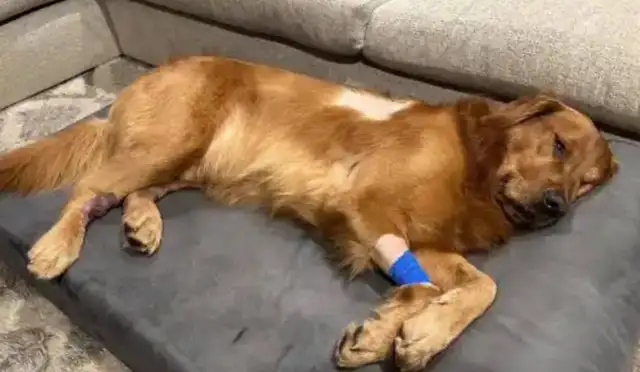
After that, Ms. Hu sent the dog for medical treatment and found that $200 was insufficient to cover the cost of medicine. Following further consultations, the parties entered into an agreement for compensation in the amount of $550 to be paid by Mr. Liang. However, Mr. Leung did not pay the contract, and Ms. Hu went to the court to request Mr. Leung to pay the agreed sum of $550 and other expenses totalling $2,000.
After the court hearing, Mr. Leung was found to have caused only injuries to Ms. Hu and to be legally responsible for the violations. The mediation agreement signed between the two parties is a genuine expression of legitimacy. Ms. Hu ' s claim that other costs other than those agreed upon in the agreement were not sufficiently justified and were not supported by the Court. In the end, Mr. Leung awarded Ms. Hu $550 compensation.
Civilization is both a responsibility to others and a protection for itself. In the present case, two dogs without a belt and a seemingly accidental fight revealed a lack of awareness of the safety of the “stacking officer”. A single omission, which may cause unnecessary pain and suffering, can make every pet time a comfort and joyful companion only if it remains civilized and safe.
Buying a pet is a sick dog three times.
In September 2024, Mr. Zhu purchased a firewood dog at Mr. Sher ' s pet shop for $1300. That evening, Mr. Zhu took his dog to the pet clinic for a medical examination to identify the coronary virus infection. At the request of Mr. Zhu, the pet shop replaced another puppy, which was similarly diagnosed with coronary virus infection. The following day, Mr. Zhu offered a refund because two dogs had been diagnosed with the virus, and the pet shop refused to refund the money and promised to replace a healthy and better breed. As a result, Mr. Zhu paid an additional $2700, totalling $4,000, for the purchase of a third puppy. Only two days later, the third dog was re-emerged with symptoms of illness, and was diagnosed with a small virus after medical treatment, resulting in non-medical deaths.
According to Mr. Zhu, Mr. Chee had promised that the dog had no health problems, but three of the dogs sold were carrying a virus and were fraudulent. The court then called upon the pet shop to return the pet price, pay for pet medicine and pay three times the pet price.
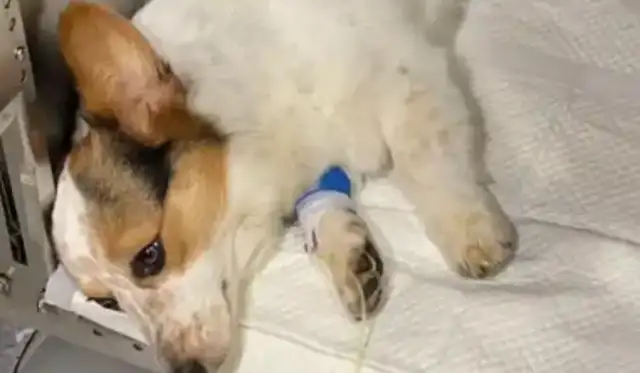
The court considered that the contract between Mr. Zhu and Mr. Xie for the sale of pets was valid. The time between the delivery of the dog to Mr. Zhu by the pet shop and the onset of the dog's symptoms, combined with the characteristic that neither virus has a potential incubation period of less than 14 days, can be considered to have been infected at the time of sale with the diseased dog. As an operator of the sale of live dogs, the pet shop is required to comply with the relevant vaccination requirements and has an obligation to guarantee the good health of the dog for sale, but conceals the fact that it has not obtained a quarantine certificate and sells the dog with the disease to the plaintiff, leading the plaintiff to make the wrong implication that the act constituted fraud. In the end, the Zheng City Court awarded Mr. Zhu compensation for three times the price of the dog at $12,000 and refunded the dog price and medical expenses.
The sale of sick dogs three times in a row is seemingly absurd but not by chance. The case also reminds consumers of the importance of choosing a regular shop of good standing for the purchase of pets, and requires merchants to provide valid proof of animal disease and to keep records of transactions, post-sales communications, etc., so that legal rights can be upheld in the event of disputes. At the same time, businesses are required to operate in good faith, in strict compliance with the provisions of the National Health and Epidemiology Act, and to deliver pets in conformity with the contract.
Cooperation in the development of a “spouse” APP, with delays in the return of funds
In the interest of the future of the pet economy, Mr. Ouyang has entered into a partnership with Mr. Wu, who is involved in the wholesale production of pets and has resources for guinea pigs. Mr. Woo invited Mr. Ouyang to co-finance his cooperation on the grounds that he was developing a "sold" APP for a guinea pig.
Out of confidence in Mr. Woo, an oral agreement was reached that 50 per cent of each of the funds would be allocated for the development of the APP. Mr. Ouyang transferred a total of $39,000 in software development and maintenance costs to Mr. Woo by way of Wesson. Subsequently, the parties signed a Cooperation Agreement for the "Smuggle" APP, which was managed by Mr. Woo and held by Mr. Ouyang at 40 per cent, with a share in the shares.
However, since the signing of the agreement, software development has stalled, and Mr. Ouyang has repeatedly asked Mr. Woo about his progress in the development of the APP through Wesson, which has been delayed. Ultimately, not only was the APP not online within the agreed time frame, but it could not be logged in after it had been delayed and could not achieve its commercial purpose at all. Mr. Ouyang, believing that Mr. Woo had failed to fulfil his obligation to deliver the results of his work as agreed, appealed to the Court for the cancellation of the Cooperation Agreement and the return of the sum of 39,000 yuan.
After the court hearing, it was held that Mr. Ouyang and Mr. Woo had entered into an oral agreement contract and that Mr. Woo should fully fulfil his obligation to develop and access the APP within the agreed time. Since the APP was not functioning in a stable manner, the Court found that Mr. Woo should be held liable for the breach of contract and ruled that the Agreement on Cooperation in the Red Cross had been lifted and that Mr. Woo had returned some of the funds to Mr. Ouyang.
While the current pet economy is hot, investment cooperation cannot be based solely on one passion. Investments should be preceded by brightening of both eyes, careful identification of the performance and credibility of the cooperating parties, easy faith in verbal commitments and care not to fall into an investment trap to cause property damage.