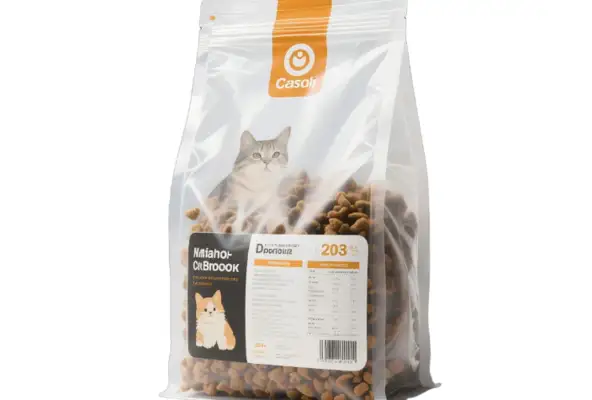
Over the past two years, the “economics” have continued to warm, ranging from cat food and dog food, to pet nutritionists and pet funeral services, and the products and services derived around pets are becoming more sophisticated and profitable.
But in the heat, someone asked a cold question: is the pet industry really a good business?
From a business perspective, we usually use two indicators to judge the commercial value of an industry: the Māori rate and the net interest rate. The Māori rate determines whether the business is worth it or not, and the net rate determines whether you can really earn money. From this perspective, the pet industry appears to be characterized by a typical representation of high Maori and low netting. The real money is not what you think is the "net-blowing brand."
It's not low, it's low profit.
Let's start with pet food. This is one of the areas that many see as the easiest to enter. I've seen a lot of financial data from pet food companies, and the gross national product card ratio is generally 40 to 50 per cent, and some functional brands are even higher. By contrast, the dairy industry has a Maori ratio of around 30 per cent and the spice industry about 35 per cent. So you're going to find that cat food and dog food is actually a lot better than you think. But there is a “cognitive trap” — a high Māori, not a high profit.
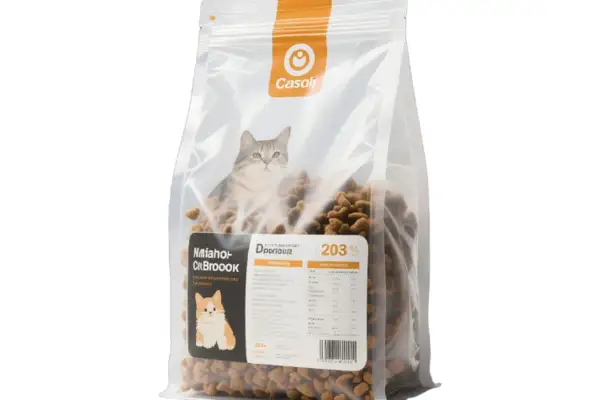
Many entry brands ignore one thing: the marketing costs of the pet food industry are almost endless. Especially in the current dissemination logic, where the content grass dominates everything, the costs of the little red book, the tremors and the pets at B station KOL are increasing.
I understand that some head pets, KOL, can bring up to 30 per cent of the commission, and that, together with platform drops and promotions, a bag of cat food sells $200, may have a small net profit to the brand. More realistically, the product differentiation in the pet industry is limited, and most consumers have difficulty identifying product quality and branding and reputation. As a result, businesses can only continue to throw money at marketing, maintain exposure and fall into a circle of “pay for their lives”.

Patient care: Māori is high, but operational pressure is higher
Another area further misunderstood is pet medicine. A lot of people think it's a “blowing business” and it's hundreds and thousands if they don't move. Indeed, I have a friend's cat with a toothbrush, which cost me $1,800, not including anaesthesia and post-operative examinations. Sounds scary. But if you look at the books of a compliance pet hospital, you'll find it's far from as profitable as you think. Cost of equipment, rent, manpower.
A CT for a pet takes hundreds of thousands of dollars to start, and a good B is tens of thousands. The location of the shop, which is mostly located in the community or in the business circle, makes it easier for customers to approach the clinic and means that the rent is not cheap. More realistically, it's not cats and dogs, it's good doctors.

There are few veterinary doctors who are qualified in practice and who can really “do it”, and it is not uncommon for a pet hospital to need not only technical skills but also communication, night work and an annual salary of 2.3 million. However, this expenditure is already “best match” for a small door shop.
So even if the cost of a single operation is $23,000, it looks good on the books, but it is not “remaining in the pocket” enough for rent, equipment, labour and daily expenses. The medical end was always a heavy asset and it was difficult to operate.

The real money is the amount of technology.
If pet food is made of marketing rolls and general hospitals are run, does the pet industry have a pattern that can survive without traffic or size?
Yes, the answer is clear.
This is the area of high-end specialist medical services, particularly in the areas of cardiology, osteoporosis and tumors, which are highly dependent on technical, equipment and professional teams. The threshold for such an institution is not so high as to “basket on money” as it is, but it is empty, inexperienced and simply impossible.
But as long as you do it, it means that the price is high, and thousands of dollars are normal; that the bargaining power is strong, and the customer hardly negotiates; and that the return rate is stable, and trust, once established, is hardly lost. I know a small partner who runs a pet dentist in the Long Triangle. It's a small shop. The team's a dozen people, but it collects millions a month.
Why? Because it's the one that others can't and can't do — such specialties are essentially “the beauty of the pet industry”, and technology is scarce.

Emotional values are a good business that the door's underrated.
In addition to medical care, there are a number of service lanes that appear to be marginal, but that have great potential, such as pet nutrition customization, behavioural intervention training, emotional comfort services, pet burials, these operations, in common: professional requirements, but emotional values.
As a matter of fact, many of the pet owners are not “paying for their services”, but “showing their feelings”.
For example, a pet farewell service has recently been seen, helping pets with a memorial service, an ash memorial box and a psychologist. For clients, the price is not the problem, since human emotional needs are often not priced. They may not form giant monopolies like food, medicine, but these “soft-value” services, in terms of profitability, customer adhesiveness and long-standing reputations, are also the “sweet river” of the future pet industry.
To conclude, the pet industry is a good business, but not an easy business.
You want to win on the food track, you want to be marketed, you want to break out at the medical end, you want to weigh assets and talent, you want to make money at the service end, you want to understand humanity, you want to be trusted. It is not destined to be a “flow-a-flow” fast business, it is more like a marathon. But if you can find technical barriers, build service advantages, and break through the industrial synergy chain, the ceiling in this industry is actually higher than you think.
The "economic" cake is big, but the sweetest one has been hidden at the bottom of the chain. # pets # pets economy # pets industry # pets cards # pets business