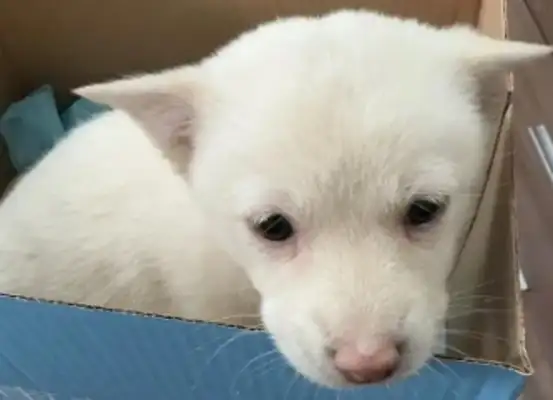
It cost 2,500 dollars to buy a cute pet dog, and it was hard to think that the next day would start coughing, and even more painfully, the treatment would cost more than $6,000 or not keep it alive. And the merchant pointed to the contract and said, "We're not responsible for it for more than 24 hours." Is that really reasonable? What should be done in such a situation?
In recent days, the People ' s Court of the Furong District of Changsha city has heard a dispute over a contract for the purchase and sale of pets.
Case: 2500 to buy a "week dog"
Consumer Bell bought a Western Highland pet dog at a pet shop for $2,500. In the course of the transaction, the parties entered into an agreement for the purchase of pets, which provided that they would not be replaced after sale, except for special reasons such as deafness, blindness and congenital disability. It was not expected that on the next day, the pet dog would suffer from abnormal symptoms such as cough and diarrhoea.
Cho immediately contacted the pet shop after selling, and under the direction of the other, purchased medication for the treatment of the dog. However, the situation has not improved. The bell takes the pet dog to a specialized pet hospital where it is diagnosed with dog fever. The dog died despite his full medical attention. During this period, the clock paid a cumulative amount of $6284 for medical examinations and treatment.
When a pet who has just bought home is sick, the clock suspects that it is a “week dog” (a puppy bought from someone else who is very spiritual, lively and cute, and often has problems in about a week, vomiting, coughing, indulging in blood, or even dying), he finds the pet store to negotiate a refund. After unsuccessful consultations, Chung filed a lawsuit with the People ' s Court of the Furung District of Changsha City seeking compensation for economic losses.
Court: "One day's warranty" agreement invalid
The court found that Chung had paid for the goods under the purchase agreement and had formed a legal and valid contractual relationship with a pet shop. A pet store should deliver a pet that meets the quality requirements of the pet industry as agreed.
In accordance with the relevant provisions of the Law of the People ' s Republic of China on Animal Vaccination and Protection of Consumers ' Rights and Interests of the People ' s Republic of China, a pet store sells pet dogs to Bell without proving that it has fulfilled its quarantine obligations, the sale of the second-day pet dog produces symptoms such as lewdness, which are confirmed by tests at the pet hospital as being infected with the canine fever virus, and a pet dog sold by a pet store to Bell should be found to be defective.
Under the pet purchase agreement, although the parties agreed that pets would not be replaced without special reasons after they had been sold, out-of-shop testing would show anomalies that could be exchanged for equivalent pets within one day. However, infectious diseases such as canine plague are subject to a certain incubation period, which is clearly insufficient for one day. The agreement is therefore a form clause that excludes the principal rights of small clocks, unreasonably exempts pet shops from their obligations, is null and void and cannot serve as a basis for exemption from liability for pet stores, which are liable for breach of contract.
In the end, the court ordered the pet shop to return the sum of $2,500 to Chung and to pay compensation for the medical expenses of $6284. The judgement is now in force.
Reminder: Save evidence for pets
The judge described the growing number of disputes arising from pet trading as the pet market flourished. According to the law, pet operators should deliver healthy pets to consumers that are consistent with the promise, and should provide consumers with genuine and effective certification of animal quarantine certification. As a special commodity in life, pets tend to suffer from infectious diseases for a certain period of time. Therefore, a comprehensive determination should be made as to whether a breach of contract is to be made in the context of the quarantine certificates provided by the operator, the timing of the onset of a pet.
In order to avoid their own responsibility, some traders enter into formal contracts with consumers, agreeing on terms similar to the “one day of the term of Quality Assurance, which is not replaced by another”. This provision, however, is null and void by excluding the legitimate interests of consumers and unreasonably exonerating commercial liability and does not provide a basis for a commercial exemption. When a merchant conceals the true facts while knowing that a pet is sick and lures a consumer into buying it, he or she shall be deemed to have committed fraud and shall compensate the consumer in accordance with the provisions of the Consumer Protection Act of the People ' s Republic of China.
The judge advised that when consumers purchase pets, they should choose a well-qualified and reputable shop, require merchants to provide valid animal quarantine certificates and maintain trade certificates, and that when pets have an illness, they should communicate with the merchants in a timely manner and take the pets with them, while keeping records of post-sale communication, hospital diagnostic certificates, medical fee payment vouchers and invoices.