Designation: PET6144
English name: Gramostola rosea
Vulnerability: eating diseases
Life: Overview of Fire Rose species in Chile, 10-12
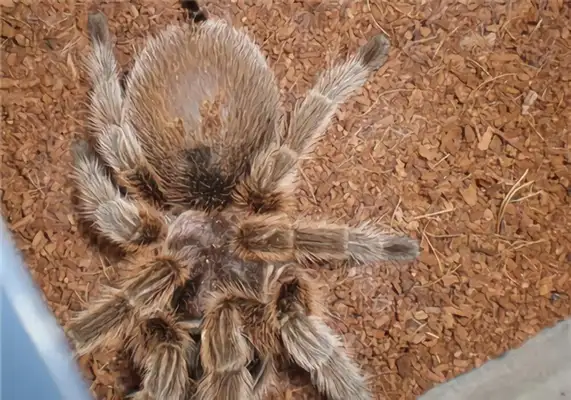
Gramostola rosea of Chile, by definition, is a spider of origin and intelligence, and because it is a variant of Chilean red rose spiders, the difference between them is small and very similar. Fire roses belong to the indigenous spiders and can be made a network.
Chinese literary name: Chile Fire Rose
English name: Gramostola rosea
Area: Animal
Artropoda
Alachnida
APA:
Arianeae
Theraphosinae Chilean fire rose morphology
Chilean fire roses in their early years are very similar to red rose spiders, which are hard to tell by professionals. The simpler way to distinguish is to look at the color of their backs. The basic characteristics of Chilean roses are detailed below. The difference between Chilean fire roses and Chilean red roses is mainly because they look more red. The size of the adult is approximately 14-15 cm and the back armor is red rather than pink. Chile Fire Rose Living Environment
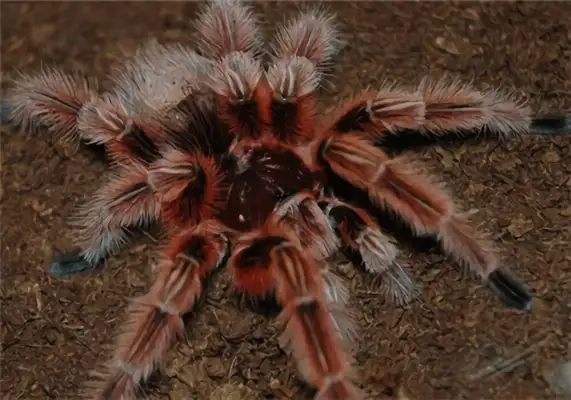
The Chilean fire roses belong to the indigenous spiders and are good at the network. Due to its attractive appearance, which has caused many people to buy and raise, Chilean fire roses prefer to live in the fields of grasslands or rainforests. In the words of the family, it is suggested that the breeding environment be built by reference to their habits in the field.
The mats in Chile's fire roses can be mixed with coconut bricks. A glass of water and a refuge are indispensable. If you raise a larvae, you don't have to add a glass of water or cotton. It's not like they're going to die in the water. They are suitable for survival in an environment of 25-27°C and can be controlled at 60-70% humidity. Chile's Fire Rose Feeding Knowledge
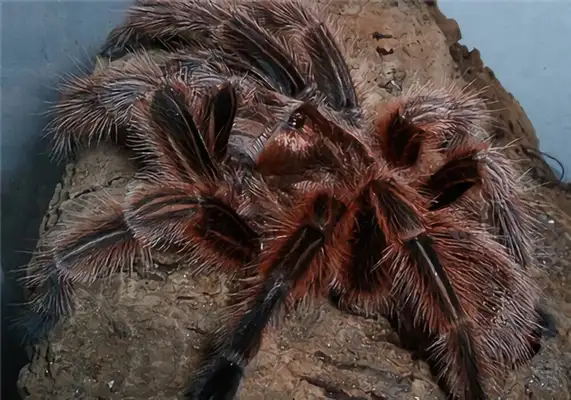
More and more people have been raising pets in recent years, both reptiles and flying animals. Chilean fire roses, like the appearance, are a very popular reptile in the reptile market. So what do we know about raising Chilean fire roses? What do you need to know?
The day-to-day feed of Chile's fire roses can be based on cricket, cockroaches, breadbugs and coyote worms, and if they feed the larvae with cricket, or for the first time after a week of skinning, the jaw of the cricket should be removed or its head crushed with a hammer in order to reduce its mobility to ensure the safety of the spider. In the case of small larvae, bread worms can also be cut in part to be fed through the line. Fire roses don't grow fast, so it takes about three years to grow from larvae, but this gives more sense of achievement and the pleasure of spider skinning.