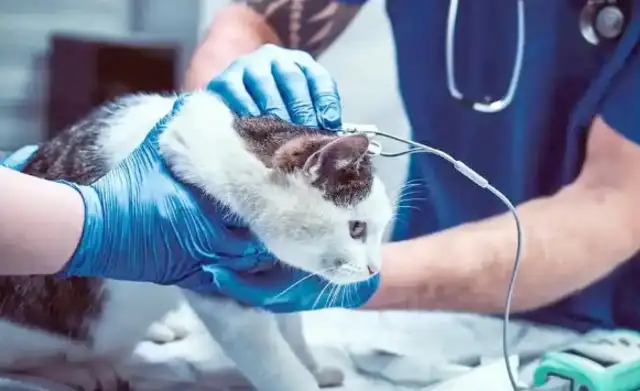
In recent days, the District Council of Kaikula, South Island, New Zealand, has proposed legislation to restrict cat activity in order to protect endangered birds. The new rules require domestic cats to be kept at night. Local volunteer monitoring shows that nesting chick survival increased from 12 per cent to 35 per cent.
Among them, it was argued that Governments should enforce the implantation of identity chips and sterilization of pet cats, with the aim of curbing the uncontrolled growth of the number of cats and thus preventing their devastating ecological impact on native species. Erica Rowlands submitted a petition to members of Parliament advocating for stricter registration and sterilization of cats (only cats owned by registered breeders are exempted). She stated: “There is indeed much controversy in society about cat control policies, and there is a divergence of views.”
This initiative has attracted global attention, and animal conservation organizations have praised it for “providing models for urban ecological governance”, but some cats have questioned “violation of pet freedom”. The New Zealand Commission for the Natural Environment indicated that it would invest 1 million NZ$ for bird habitat restoration and establish a pet cat behaviour monitoring system. This policy compares with the Australian cat fence and the U.S. urban cat curfew in international governance cases.
Although they do not currently have specific legislation on cats, the evidence submitted to the Special Commission for the Environment indicates that they are consulting with Tasmania-related departments on the management of cats for microchip implantation and sterilization. Tasmania officials stressed that the effectiveness of the Act depended not only on the enactment of the law, but also on the resources and financial guarantees required for its long-term implementation.