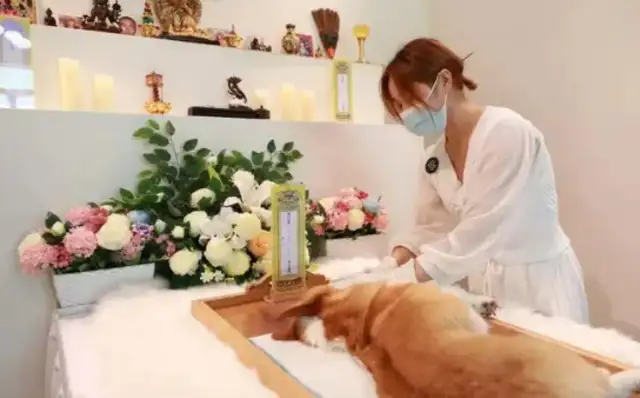
In recent days, surveys have shown that the size of the Chinese pet funeral market is expected to be over $10 billion in 2030, but 80 per cent of the institutions have problems operating without a license. Illegally modified “mobile crematoria” operate in water reserves, and diesel leaks pose pollution risks.
It was suggested that five public pet burial facilities be established within three years, and Shenzhen has established the first non-hazardous treatment centre in the province to achieve zero emissions using high-temperature carbonation technologies. Experts noted that there was a need for a “government regulation + industry self-regulation + public participation” mechanism to promote market regularization.
According to the Animal Vaccination Act, pet remains need to be disposed of in a non-hazardous manner, but only 5 per cent of the country ' s institutions have full qualifications. Although Shanghai plans to build five public institutions over three years, more than 30 per cent of the more than 170 private enterprises now use industrial incinerators. When a pet owner, who spends $8,000 on a pet funeral, discovers that the ashes are mixed into industrial waste, a myth that is being played repeatedly because of industry standards gaps.
The fees charged by a pet funeral facility in Shenzhen show that the cost of cremation of 1 kg of domestic pets is $490 and 25-30 kg is $1590. The industry data show that Shenzhen, Hangzhou and Beijing are the top three in the number of funeral appointments for pets, with Shenzhen accounting for 6.2 per cent.
The mess of the pet funeral industry reflects the collective anxiety of society about respect for life. It is gratifying to note that Shenzhen has established the first specialized treatment centre in the province and that the Shanghai People's Congress recommended the inclusion of funeral services in civil administration — an exploration that proves that normative development is not impossible.