No.: PET2479
English name: Savannah Monitor
Vulnerability: cartilage
Life: Overview of the species of iguanas in the plains from 8 to 12 years
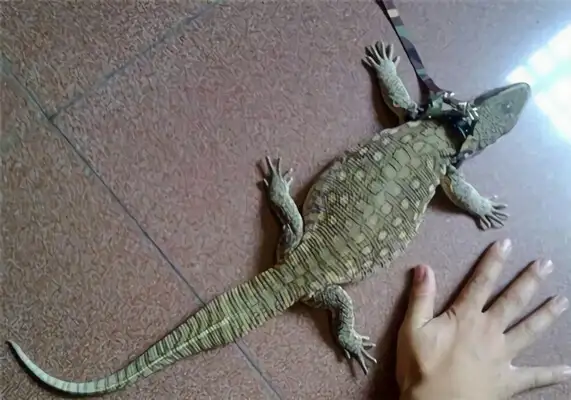
From the African steppe, Savannah monitor, with a life span of 8-12 years, with a healthy life span of more than 12 years, is a milder type of temperament in the iguana, a group of mature individuals with a size of up to 1.2 metres, and thus basically larvaes of around 30 centimetres are available for sale.
Chinese literary name:
English name: Savannah Monitor
Two words:
Area: Animal
Gate: Phylum Chordata
Amen: Vertebrata
A: Reptilla
Platform: Diapsida, Lepidosaria
Item: Lecertistromes (or Squamata)
Lacertilia
Varanidae
Varanus
Specs: Plain lizard
Distribution: Characteristics of the shape of the African plain giant iguana
The first-born plain giant iguana is 5-6 inches long, and the adult is about 3-4 feet long, with the ideal body weight ranging from 10-13 pounds. Because of their larger size as adults, only larvae iguanas are sold on the market. The head of the plain iguana is wider than the head of the other iguanas and is covered with small scales, small necks and a thick and short tail. Living conditions of the plain iguanas.
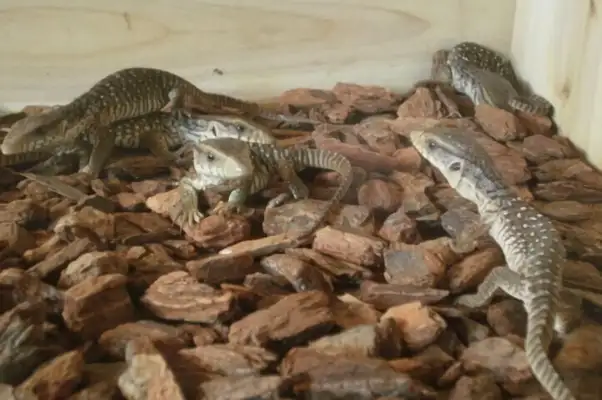
The plain iguanas, which are a daily species from Africa, prefer to climb and swim more rarely than other iguanas, and of course it is best to provide a big pool. Now, what exactly are the requirements of the plain iguana for living conditions?
I. Humidity
Middle to low.
Environment
The plain iguana comes from the African steppe. They prefer to climb and swim less. But they still need a big pool. When they were young, the iguanas liked to climb rocks and wander under the sun or in the water. For two or three feet of plain iguanas, a cat diet is a more practical dish.
III. Temperature
The plain iguanas are the preferred hot and dry environment. Therefore, there is a need for large-scale rearing boxes on a flat scale and over 85 degrees Fahrenheit in the daytime. Too cold to make them sick. High temperatures promote their metabolism, which helps them digest food and resist disease. Sick iguanas usually react about 100 degrees Fahrenheit. Take your sick lizard to a good vet. Because most of them are wild, you may need a vet to deworm them.
A cave or a piece of wood to hide (in, behind or below) is needed for the plain iguanas, especially the larvae. They will squeeze into any crack. Softwood caves are well suited as their hideout. Iguana knowledge
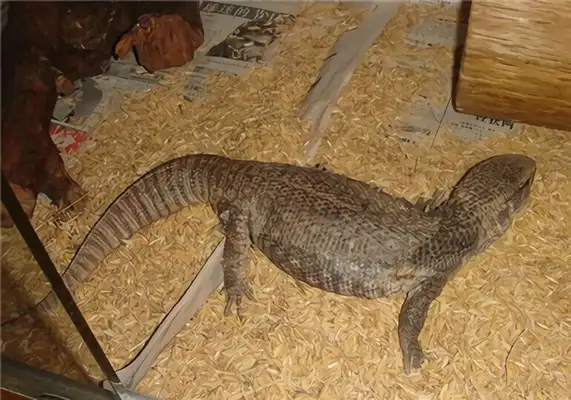
The plain iguana eats meat, but it's basically non-cooked, and they all come as long as it's food. At an early age, plain iguanas can feed, for example, crickets and barley worms, and grow up to replace food by size. When we decide to raise a plain iguana, we need to know their basic habits and food requirements so that we can look after them later.
First feed cricket, then try feeding them goldfish. Low prices make goldfish an economic food. When they're close to a foot long, add mice and canned iguanas to their menus. A small plain cannot eat an entire can of iguanas at once, cut into pieces, and freeze the extra food in the fridge. When they grow up, they can feed the mice (of course, first kill them) and recommend you to use the frozen mice (of course, unfrozen first). They like to eat boiled eggs and chase rolling eggs on the floor of a box. The eggs that are not hushed can fill them with calcium. They eat raw eggs, but it's dirty. If you're interested in having an egg football game, you'll know how long the eggs are stuck in the environment and the eggs are not good for vitamin H absorption.
The plain iguanas are a temperate species among the iguanas, but in view of the harm that may be caused by their large body size and strong bite combinations when they mature, be more careful when they come into contact with them. More exposure from larvae would make plain iguanas more accustomed to human existence and touch, thereby reducing their chances of attack due to stress and fear. At all times, remember that these gentle animals are also dominated by animal instincts and that their next move is unpredictable, so it is always wise to take precautions.
Safe.
A cave or a piece of wood to hide (in, behind or below) is needed for the plain iguanas, especially the larvae. They will squeeze into any crack. Softwood caves are well suited as their hideout.
Water
Plain lizards like to wander in the water. They're less likely than the other iguanas to try to knock over their dishes, but you still need a heavy sink or a big bowl. And because they use their tanks to dress up, you need to change water more often.
Curiosity.
The plain iguanas like to study their surroundings. Give them branches and stones to climb, or give them caves to explore. If you give them a box of sand or dirt, they'll run in and play. They like volatile environments.