Designation: PET2527
English name: Blueethroat
Vulnerability: respiratory, digestive and parasitic diseases
Life: Introduction to blue dot varieties 10-15
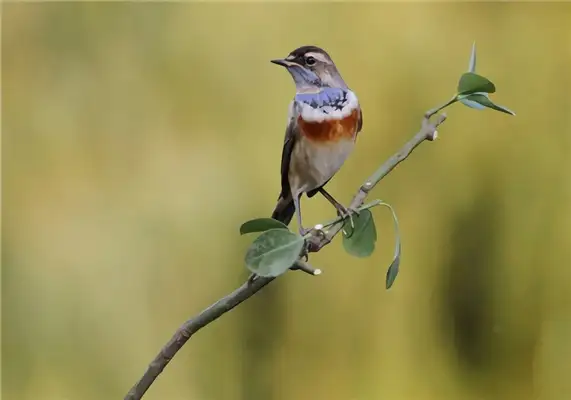
Bluethroats, alias Blue Throats, Blue Sluice Birds, Blue Sluices, Dots, Blue Squirts, prefer to live in a bush or reed. And lo! they are drowsy in the earth, running at short distances, pause, twisting their tails from time to time, or spreading their tails.
Blue dots are mainly located in most parts of China, as well as in Europe, northern Africa, Russia, western Alaska, central Asia, Iran, India and south-eastern Asia.
Chinese literary name: Blue dot
Latin name: Lucinia svecica
Don't call it "Blue Throat," Blue Slurp, Blue Slurp, Little Slurp, Blue Slurp."
Context: Animals
Gate: Pipeline gate
Programme: Birds
FREEDOM: FREEDOMS
Section: Section
It's a song.
Cast: Blue dot
Asian: 10 Asian
Named by Linnaeus, 1758
English name: Blueethroat blue dot morphological feature
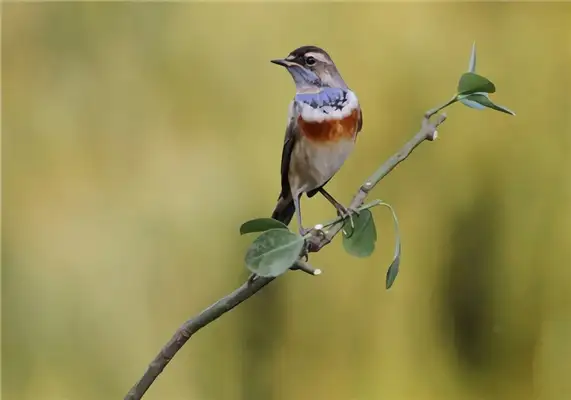
The length of adult blue dots is about 13 cm, the ideal weight should be around 18 g and the size of the sparrow. They're very beautiful, and the blue dots are slightly different in color from the female. Specific features are described below.
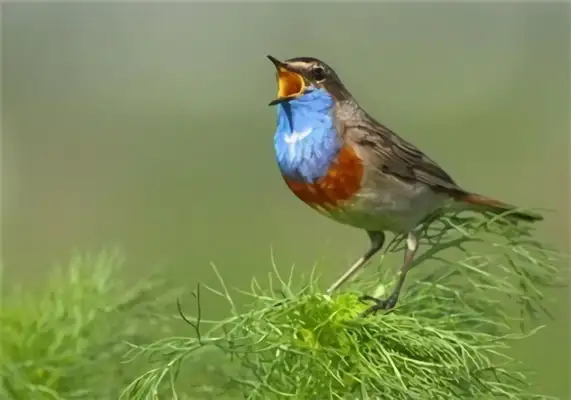
The blue dot male bird is tanned, with darker feathers on his head, white eyebrow stripes, gills, bright blues on his throat, a chest with a chest with a twilight tan and abdomen, abdominal white, two twirl and tails of brown and white. The tail feathers are black and brown, the base chestnut red.
The females are male-like, but the larynx and larynx are brown and white, the larynx is non-crumbed, the larynx is not orange or blue, and the black cheeklines are linked to the bras made of black spots. The difference between female red throats and black chests is different from the latter.
The luminous plume of the wings of the young birds is marked by light twilight and light spots, commonly referred to as “benchmarks”. Iris dark brown. Black mouth. Foot brown.
The differences between the Asian species are the size of the red dots in the throat (the smallest in Tibetan Asia), the depth of the blue shallows (the depth of the northern subspecies by name of subspecies) and the presence of black belts between the blue and chestnuts (named subspecies). The chicks are warm brown, rusty yellow spots. Blue dot living environment
With blue dots so lively and moving. It therefore takes time every day to slip birds, to breathe fresh air and to tan the sun. The bird is first to be domesticated in a cage, preferably wired to reduce collisions and preserve physical strength.
The blue dots in the wild prefer to dwell in the bushes or reeds, not in dense forests and tall trees. It is common in tundra, forests, swamps and various types of bushes on the edges of deserts.
The family should be regularly bathed in the summer and be allowed to do so once a day. The number of baths should be reduced during the winter, after which care should be taken not to blow directly, and the temperature of the bath should be between 25°C and 35°C.
If they are placed in a cage, they are to be domesticated by a cage, then for a period of time the larger cages (100 cm long, 60 cm wide, 70 cm high) are to be fed, and they continue to feed them until they are healthy and then placed in a cage, where they are 2 m high, 4 m long and 3 m wide, with around 30 large cages. The top of the cage should be covered by a third of the rain, with more low-level shelter. The blue dots are cold, the winter temperatures are below 0°C for indoor breeding, the bird cages are to be placed in an indoor sun-shine spot and the choice is to fly outside the house in the sun. Blue dot-eating.
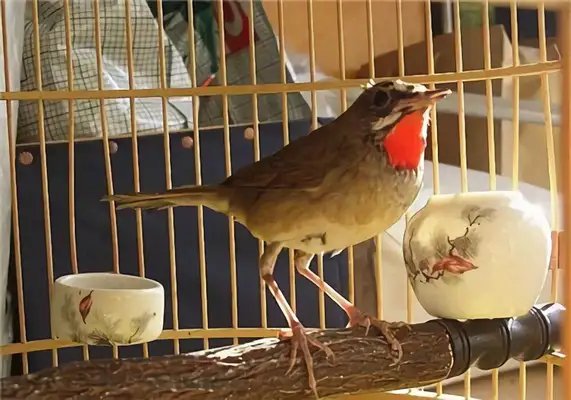
Blue dots are typical groceries, usually non-cooked birds, but as pet birds they tend to diversify their foods better than blue dots, with special attention to live food and other animal feed, especially during plumning. During the summer, be careful that the powder is fed with it, that it is fresh and that it is not spoiled.
Insects and larvae, such as gold turtles, elephants, locusts, fins and larvae, are the main sources of food in the wild, especially for larvae. They also eat plant seeds.
Since the family has just entered the new environment, the feed should be reduced to a thin paste with several bread or corn worms on it and no drinking water. The birds are hungry to eat the insects in the cages, and at the same time to eat the rare food, which will then be thickened until they are overfed with powder. They are fed with small insects four times a day, two or three times a day, softly and without damage, able to feed themselves and then feed themselves in a small cage, supplying clean water and replacing it daily. Pills can be made up of 50 per cent corn paste, 20 per cent green bean paste, 20 per cent ripe egg yolk, and 10 per cent light fish or sauerkraut.