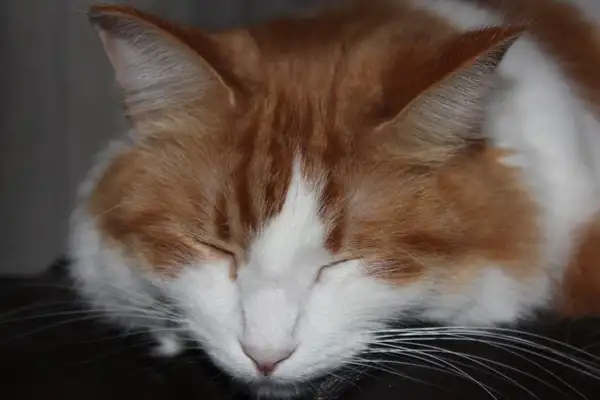
Ragdoll is a large family cat variety known for its gentle, friendly and adaptable character. The name of the species comes from its unique characteristics -- when you hold it up, the Lap cat's body collapses like a doll, almost completely relaxed. This character makes it an ideal pet cat and is particularly suited to live with family members, especially children and other pets.
The Lap Cat was originally nurtured in the 1960s by an American woman named Anne Baker in Brooklyn. It is produced through a variety of breeds, such as hybrid common cats and large hair cats (e.g. Persian cats). Today, Lap cats have become one of the world's most famous pet cats. Character characteristics
Lap cats are gentle and friendly, almost the most friendly of them. They are often very dependent on their owners, preferring to be close to others, and often do not display any hostility or independence, but rather seek interaction and company. Lap cats like to be held up and there are no other acts of struggle or resistance common to cats. They are therefore well suited to families with children or other pets.
They usually have a very peaceful character, are not susceptible to stress or anxiety, are more adaptable to changes and noise in the family environment and are able to live in harmony with dogs and other cats. Lap cats do not usually like noise, and their voice is soft and light, with little or no volume, so that they rarely disturb the peace at home.
They're very dependent on human pets, but they're not too sticky. Lap cats show their independence at the right time, for example, they like to find a quiet place to rest, but they always come around when the owner needs them. Livestock techniques
The Lap cats are well suited to family farming because of their loved ones and their moderate character. They do not need an overly complex breeding environment, but in order to ensure their health and well-being, the master needs to pay attention to some basic breeding techniques.
Diet: Lap cats are a large cat species that usually eat more. In order to maintain their health, the diet should focus on balanced nutrition and ensure that cats receive sufficient protein, fat and carbohydrates. High-quality cat foods, preferably high-protein, low-carbon water, can be selected to maintain their desired size and energy levels. As they tend to become overweight, there is a need to control consumption and avoid over-feeding.
Regular campaigns: While Lap cats are large, they do not require large numbers of sports. Moderate games and interactions can help them stay healthy and avoid obesity. Some creeping, toys and interactive games are provided to effectively exercise their physical and intellectual capacities.
Keep the environment comfortable: Lap cats are resilient, but they prefer a quiet, comfortable environment. To avoid placing them in a noisy and stressful environment, some quiet spaces should be provided for their rest.
Sociality: Lap cats like to interact with people, so it is important to have close relationships with them. The masters can spend time with them for intimate contact, such as touching, hugging or playing together. This will not only deepen your feelings, but also help them to remain happy.
Health check: While Lap cats are usually healthy, they are also vulnerable to genetic health problems such as heart disease (heavy cardiac disease) and joints. It is therefore important to bring cats regularly to veterinary clinics for health examinations and to maintain their vaccinations. Hair care
Lap cats have hair, but unlike some long-haired cat varieties, their hair is soft and unconstructive. Their hair needs to be combed regularly to maintain their beauty and health.
Regular combing: While the hair of the Lap cats is relatively small, the owner still needs to comb its hair regularly in order to prevent it from convulsing or falling. It is recommended that a thorough comb be conducted once a week, especially during the fur exchange season. Use of wide-tooth combs or special cat hair combs can help remove the hair that has been taken off and avoid the accumulation of hair.
Bathing: Lapps have a relatively small skin that produces grease and therefore does not require frequent bathing. If a cat has a special stain, it can choose to bathe with mild cat shampoo, which can be done every few months.
Watch out for ears and eyes: Lap cats usually have bigger eyes and ears and tend to accumulate dirt. The owner is required to regularly check the ears of the cat, clean the earring in time, while keeping the eyes clean.
Hair health: If the hair of the Lap cat is found to be dry and to be defunct, it may be due to a lack of certain nutrients or to problems in health. At this point, cats should be taken to veterinary clinics to ensure that there are no health problems. Summary
As a large, gentle pet cat, the Lapcat has become an ideal choice for many families by virtue of the characteristics of his family, friendship and low maintenance. They require adequate diet and exercise, periodic health checks and hair care. By providing a quiet and comfortable environment and building deep feelings with cats, Lap cats can become faithful partners, bringing unlimited warmth and joy to families. If you want to have a gentle and charming pet cat, the Lapcat is certainly an ideal option.