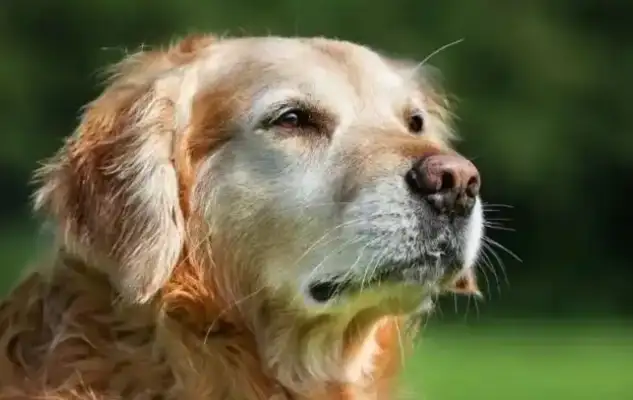
In today ' s society, with rising standards of living and growing emotional needs, pets are no longer mere animals but are essential members of many families. The resulting pet economy is becoming a new engine for consumer markets with rapid growth, showing great development potential and dynamism.
According to the data, the size of the pet economy in 2023 was 59.28 billion yuan, an increase of 11.2 per cent over the same period, and it is expected that by 2024 it will have exceeded 60 billion yuan. Behind such a huge market scale is the expansion and upgrading of pet consumption. From the most basic consumption of pet food, supplies, to pet medicine, beauty, foster care, to emerging services such as pet insurance and pet burial, the pet economy has developed a complete and diversified industrial chain.
The market is particularly competitive for pet food as a demand area for pet consumption. In recent years, consumer demand for pet foods has been rising in terms of quality and nutrition, driving the industry towards high-end sophistication. In addition to traditional cat foods, dog foods, various functional snacks, frozen dry foods, and products such as staple canned foods are emerging. For example, the introduction of customized foods, tailored to the specific nutritional needs of different species of pets at different ages, meets the concerns of pet owners about pet health. Some have taken a place in the domestic market on the basis of high quality by branding natural, added imported pets. At the same time, domestic pet food brands are rising, increasing product competitiveness and gaining consumer recognition through improved R & D inputs and the optimization of production processes.
The pet medicine industry is also growing rapidly. As the role of pets in the family becomes increasingly important, the input of pet owners in pet medicine is not cheap. In the event of a pet ' s illness, it ranges from basic vaccinations, medical examinations, to complex surgical treatments, with a cost of several hundred dollars and more than 10,000 dollars. Data show that pet medicine accounts for as much as 29.2 per cent of the pet consumption market. Large market demand has attracted large inflows of capital, increasing numbers of pet hospitals, pet clinics and more sophisticated medical equipment. However, the rapid growth of the industry has also revealed problems. The lack of transparent fees and over-diagnosis in some pet hospitals, as well as the shortage of skilled pets and the uneven level of specialization, constrain the healthy development of the pet industry.
The innovation in pet services is even more visible. The pet beauty shop not only provides basic services for pets such as bathing and hairdressing, but also designs unique shapes for pets and even holds pet beauty contests, according to the needs of the owners. Patient foster care services are also increasingly being developed, ranging from traditional family-based foster care to well-equipped pet hotels, meeting the different needs of pet owners for pet care when they go out. In addition, emerging services, such as pet photography, pet training, pet insurance and pet burial, are emerging. The pet burial service provides the pet owner with a sad way to manage the pet well after his or her death; the pet insurance provides the pet owner with a share of the financial pressure in the event of a pet ' s illness or accident and reduces the risk of rearing.
According to the specialized edition of Skywatch, to date there are more than 4.896,000 businesses in the country that are active and viable in the pet economy. Of these, some 699,000 new businesses were registered to date in 2025, and in the light of the trend in business registrations, the number of companies registered in the pet economy has increased over the last five years and peaked in 2024. In terms of regional distribution, Hainan, Guangdong and Zhejiang provinces have the highest number of pet-related enterprises, with more than 803,000, 518,000 and 451,000, respectively.
The flourishing pet economy has led not only to the prosperity of the industries concerned, but also to the creation of significant employment opportunities. From pet breeders, pet hairdressers, pet doctors, to pet electricians, pets from media creators, the pet economy's industrial chain has generated numerous jobs that contribute positively to social employment.
However, the pet economy also faces some challenges in its development. On the one hand, industry standards and norms need to be further developed, and there are problems of uneven quality of products and varying levels of service on the market, with pet economy-related enterprises involved in judicial cases accounting for about 0.46 per cent of the total, as measured by the risks of eye-to-eye observation and depth. On the other hand, social problems, such as pet disturbance and the contamination of the environment by pet excreta, are also becoming more prominent and need to be addressed through improved management and guidance.
Looking to the future, the pet economy is expected to continue to grow at a high rate, as people ' s attitudes towards petation continue to shift and consumer capacity increases. At the same time, advances in science and technology will breathe new life into the pet economy, such as the spread of smart pets, which will bring easier and more intelligent pet experiences to pet owners. It is believed that, with the joint efforts of all parties, the pet economy will continue to be regulated, innovative and developed as an important force for sustained prosperity in consumer markets.