Designation: PET6016
English name: Dyscophus Guietti
Origin: Overview of tomato frog varieties on the eastern coast of Madagascar
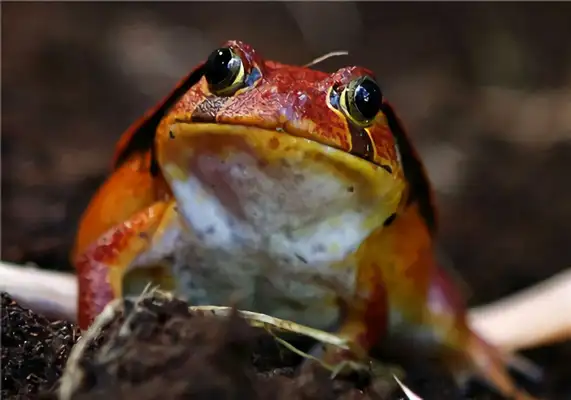
The image of tomato frogs is impressive, mainly on the eastern coast of Madagascar. It is worth noting that tomato frogs, though beautiful, contain defensive toxins in their skins that can cause severe pain to the offending.
Chinese literary name: Tomato frog
Latin name: Dyscophus Guietti
Don't call it Antungili Red Frog, Antungil Bay Jing Frog or Antung Frog
Context: Animals
Gate: Pipeline gate
Amen: vertebrate Amen.
Programme: amphibious programmes
ANALYSIS: SLUE ASPECTS
Objective: No tails.
AA: New Toad
Section: Narrow Toad Section
Yako: Ako the Frog
In the case of a violent frog
Seeds: tomato frogs
Region: Characteristics of tomato frog shape on the eastern coast of Madagascar
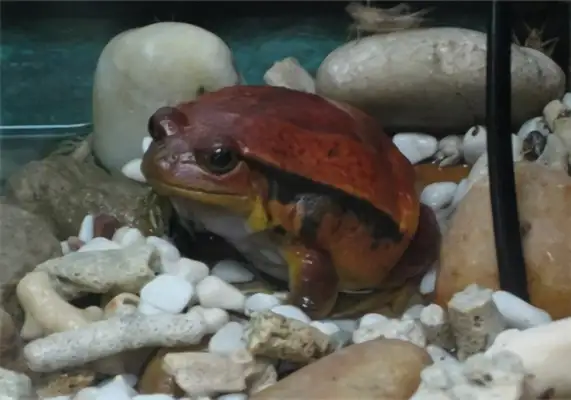
Tomato frogs look beautiful, but they have defensive toxins in their skins, so don't move on the frog at will. Tomato frogs are not very good at jumping, so they can be raised without a cap.
The male size of the tomato frog is 60-65 mm and the female 90-95 mm. If the threat is made, the body will expand as if it were an enemy. Tomato frogs are good-looking, but don't touch them. They have defensive toxins in their pretty skins that can cause severe pain to the offending. Male tomato frogs (tomato frog) are 60-65 mm long and weigh about 410 grams; female frogs are slightly larger, 90-135 mm long, weigh about 230 grams, are similar in size to their fists, are red and look like sophisticated tomatoes. Tomatoe breeding environment
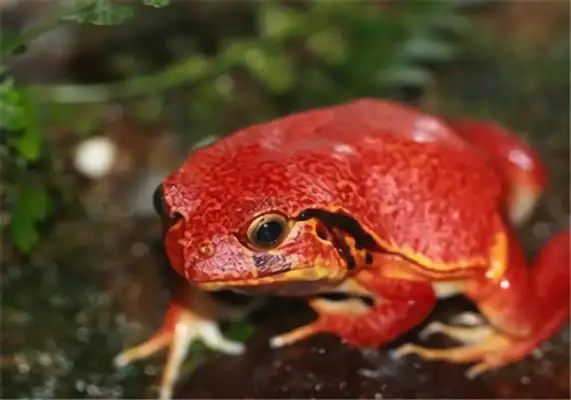
The tomato frogs, who live in the tropical marshes in a wild environment, generally have a size of 8-10 cm, need a suitable rearing box for them, and also pay attention to the requirements of the breeding environment.
As wide as possible, tomato frogs are raised in two thirds of land and one third of water pools because they are not good at jumping and are not covered. In fact, I think it should be a little bigger, because in such an environment they are still perceived as urgent. The low materials laid for them are cleaner, and the fear of impurity leads to bacterial infections in the digging of pits. A mixture of sterile soil and sterile bark was initially used and was then simply replaced by fresh moss. It would be preferable not to use compressed-packed mosses in flower shops because they contain excessive preservatives. A few nests of birds were simply used on the landscape plants and buried directly into the mats with the flower pots. The mood was good and easy to manage. Several shelters were built with small logs and pebble towers, which were also popular. Crude weeds were also planted in the ponds, and small fish were placed to test water quality. Biological filtration systems have also been installed to reduce pressure on water exchange. The light uses a 40-w-year-old herb halogen lamp, which is suitable for slow-growing plants but not bright. Tomato feed.
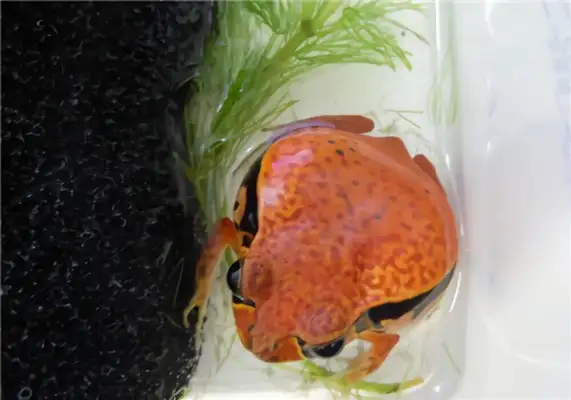
Tomato frogs are very beautiful in shape. They are all red, and they look like a ripe tomato, so they are named tomato frogs. It is also important that the artificial tomato frogs be fed to a nutritionally balanced bait, in addition to having a suitable breeding environment for them.
Tomato frogs are hunters of rabbits who never look everywhere for food. Just sit down patiently and wait until the insects pass by and swallow it. They are trained to feed with bait but never eat anything other than insects, thories or worms. Usually the bait is cricket. If you go to the wild in the summer, you can bring back grasshoppers, moths, etc., even for the New Year. Cricket is covered with calcium powder and vitamins before feeding, but not every meal. Adult tomato frogs can be fed once a day or, if they are not fed with a sling, they must watch the cricket be eaten before leaving. Cricket and tomato frog can't stay the night. Cricket has sharp teeth, sometimes on the skin of a frog, which causes infection, and crickets that are not finished must be removed.
Wheat can also be fed without cricket, which is more readily available in the domestic aquarium market than cricket, but cannot be fed for long, and their skins are too difficult to digest. Young tomato frogs are not allowed to eat ready-to-eat or sub-eat crickets, and are not currently able to purchase fliers in the country and are therefore fed only with yellow powder. However, yellow powdered worms, like barleys, have indigestionable shells, but they often grow skinless. Newly decorated insects, white, digestive, calcium and phosphorus high. It is best for young frogs with small mouths to eat, but there is a need to raise more yellow powders and look for skinless individuals every day. However, the yellow pollinator can no longer be used after several skin strippings, and it is time to buy new ones.