No. PET3637
English name: lacerta trilineata
Origin: Balkans
Vulnerability: cartilage
Life: around 20 years
Price: Overview of Emerald Iguana species 40-80
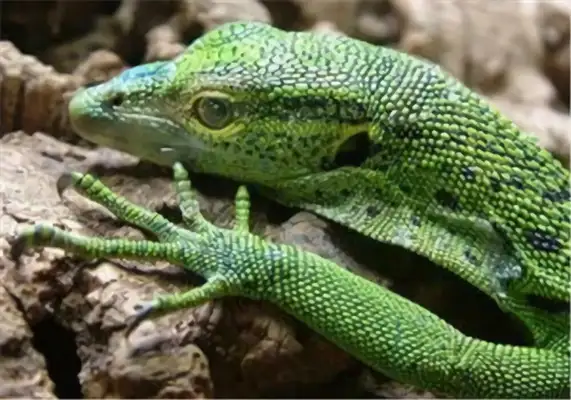
Emerald iguanas look very similar to green iguanas, which have a total length of 34-50 centimetres and prefer to live in trees in low-altitude wet-hot valleys in the tropics and are of a daily nature. The shape of the emerald iguana is also striking, and it is not very difficult to raise it.
Chinese literary name: Emerald Iguana
Latin name: lacerta trilineata
Context: Animals
C: Lizards
From: lacerta
Eating: Insects
Distribution: Characteristics of the emerald iguana in the Balkans
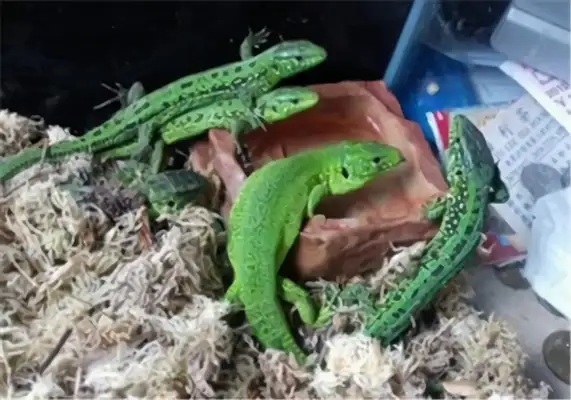
Emeralds are growing, but they are more difficult to reproduce. Since the appearance of the iguanas is very similar to that of the green iguanas, care must be taken to distinguish the appearance of the iguanas when they are introduced.
Iguanas have a total length of 34 - 50 centimetres and look like green iguanas. Kisses are sharper and behind your head is wider. From the top down, the head is in a triangle shape. There are eight rows of abdomen and one row of a granule above the eye. It's very colourful. There are 3-5 white stripes on the back of the larvae. The male has yellow throats. Emerald iguana breeding environment
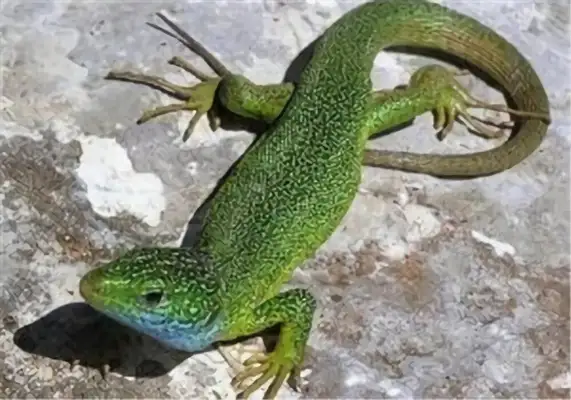
Artificial emerald breeding requires environmental ventilation and, in the case of sealed rearing boxes, the installation of vents. In the wild, emeralds live on trees in low-altitude wet-hot valleys in the tropics, so attention is paid to the temperature and humidity of the breeding environment.
Emerald iguanas are raised in an environment dominated by straight-on-line cages, which are basically of an ideal size of 4 feet by 7 feet and 2 feet deep, because they are highly mobile and require high humidity, at least 70 per cent, and water must be fully supplied daily, which is an essential factor for raising this tropical iguana. With branches in the cages for climbing and sheltering, the jade iguanas spend almost their whole lives in trees, the species of bottoms are not important, and leaves are the most suitable ones to choose. It is also important for a slightly neurotic iguana to prepare the caves to feed them. Iguana feeding order.
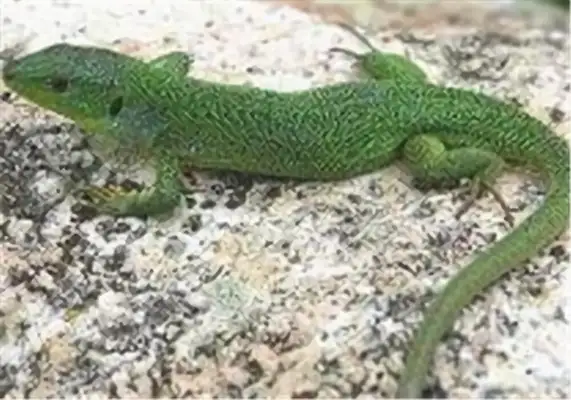
Emerald iguanas prefer to live in well-soiled bushes, to raise emerald iguanas artificially, to prepare them for a nutritionally balanced diet, in addition to setting them up a suitable breeding environment, and it is also important to feed them scientifically.
The iguanas are food staples of tree-dwelling insects, but generally accessible foods, such as birds, rats, lizards, etc., are also eaten, so there is no problem with feeding, but it is important to note that the iguanas have a small amount of food and should be fed with a small amount of food, and on the other hand they are not hungry, so it is best to feed on a daily basis, as far as possible, not more than two days.