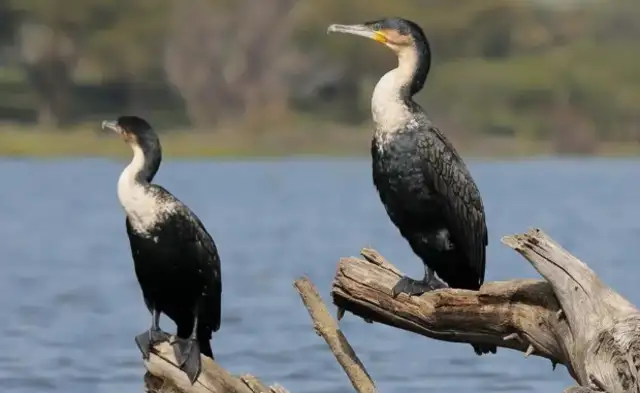
In recent days, the border police station in Xinjiang Al-Taisalto received help from the crowd and found inside the shop yard an injured and inoperable gurus. Upon their determination that they were protected animals at the national level, the civilian police immediately moved to temporary settlements and contacted the wildlife protection department.
Upon arrival, the civilian police initially determined that the Raptor was the second level of national animal protection, which, in order to avoid secondary injuries, was sent to the police station for temporary relocation and to liaise with wildlife protection services.
The rescue demonstrated the responsibility of the police station to respond quickly to calls from the population and to mobilize professional forces to protect wildlife. As a next step, the police stations will work with the relevant departments to increase awareness of wildlife protection in the jurisdictions, open channels of assistance and jointly maintain ecological security.
Conclusion: As an ecologically indicative species, the injury may reflect local environmental changes. The police station indicated that it would work with the relevant departments to enhance wildlife protection awareness and open up access. The campaign demonstrated the importance that grass-roots organizations attached to ecological safety and reminded the public of the need to contact specialized institutions in order to avoid secondary harm.