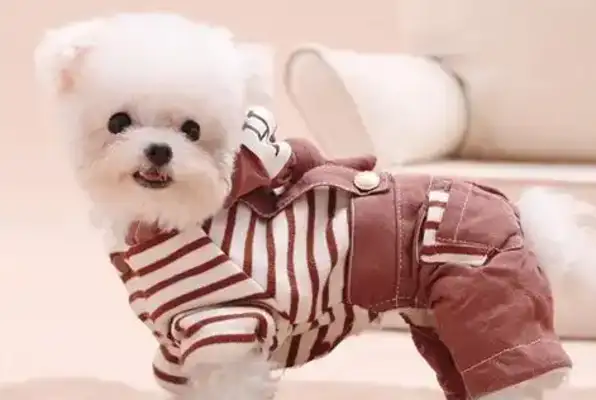
On 22 July, a variety of commodities in a pet stores in Zhengzhou were filled with pallets, which were tumultuous. These commodities not only meet the daily needs of pets, but also reflect the caring for and importance attached to them. With the growing pet economy, pets have become an indispensable part of an increasing number of households.
Status of the pet economy
The pet dogs in all their clothes are particularly visible in this pet shop in Zhengzhou City. They are either lovely or fashionable, and each set of costumes reflects the master's fine-dressing and endless love for pets. In this era of flourishing pet economies, pets not only enjoy a comfortable living environment, but also enjoy a delicate life under the care of their masters.
Parrots are also favoured by many pets and become their new pets.
On 22 July, a cat curry in Zhengzhou welcomed many customers. Not only does it provide foster care for cats, but it also has special “cats” areas where customers enjoy their intimate time with cats. In recent years, as the pet market has flourished, more and more pet shops have emerged as springs of rain, providing a more accessible shopping and experience environment for pet providers.
Economic impact of the pet industry
According to statistics, in 2024 the size of our urban pets (dogs and cats) consumer market reached an alarming 30.2 billion yuan, an increase of 7.5 per cent compared to 2023, indicating strong growth in the pet economy. Among them, the increase in the dog and cat markets of 4.6 per cent and 10.7 per cent, respectively, further confirms the pace of the rise of the “economic” sector.
The Vice-President of the Chinese Veterinary Division of the Chinese Veterinary Medical Association and Deputy Professor of Veterinary Medicine at the Henan School of Economics noted that pets had been transformed from traditional “tool animals” to “family members”, providing people with a wealth of emotional value, thus stimulating various consumer behaviours. This shift has not only contributed to the prosperity of the pet market, but has also opened up tremendous business opportunities for the industries concerned.
Development of pet-related industries
In Henan province, which is the grand pet farming province, the annual turnover of pet-related enterprises is over $30 million, with more than 200,000 employees. The pet industry has become a new engine of growth in our economy, signalling the inevitable trend towards a more sophisticated and specialized industry.
In the large pet market, pet food and pet medicine are the leading areas and are the core pillars for pet economic development.
The pet food industry continues to innovate, introducing advanced production lines and technologies to meet market diversification needs. For example, the successful start-up of the second phase of the Mid-Chat Petty Foods (Hairfall) Ltd. project at the Cascading Landyards of the City of Hedge, has improved productivity and product quality and enhanced the competitive position of enterprises in the market.
Globally, harmonious relationships are generally structured around three main objectives: safeguarding animal welfare, maintaining public safety, health and social order, and curbing illegal farming and abandonment. Industry standards such as pet food and medical services need to be further harmonized and regulated to guarantee product quality and safety.
Market competition and development orientation
In increasingly competitive pet markets, enterprise development needs to focus on product differentiation, the provision of high-quality services and the promotion of healthy industry. For example, the innovation of collaboration between Chinese pet food and Chinese food laboratories demonstrates how to respond to changing market demand through technical support and product innovation.
Building a pet-friendly society
It is noteworthy that the concept of pet-friendly has been widely implemented to promote business and social environments for pet-friendly change and economic growth. The development of the Zhengzhou Professional Park for Pet Economics and the expansion of pet-friendly business spaces mark a new social pole for pet-friendlyness.
“We will then further promote the deeper integration of the pet industry chain with the innovation chain, using artificial intelligence technology to accelerate food development and increase the efficiency of technological breakthroughs. Our goal is to create a 100 billion-class pet economic model area, which will drive the entire chain of development of the pet industry to the next level.” This is indicated by the relevant officials of the district.
The rise of the pet economy not only reflects a shift in social values, but also reveals the turnover and upgrading of old and new industries in economic development. With the rapid growth of the industry, a number of problems have emerged. The “two-way cure” of humans and pets can be achieved only if, while regulating the development of the industry, the emphasis is on preserving “unique temperature and emotional ties” to achieve sustainable development of the pet economy.