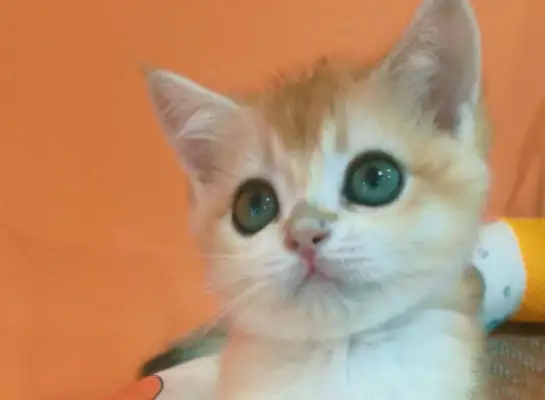
Recently, the rapid development of the pet economy has become a hot topic in the capital market. Some pet-related enterprises have experienced a sharp rise in stock prices, with a 14 per cent increase in Cloud Group in the Hong Kong stock in two days, and a continuous rise in pets and shares in the A stock, with the pet economy index rising by more than 20 per cent in 11 days. It is lamented that these “puzzling children” have changed not only our lives, but also the rules of capital markets.
Behind this is the rapid rise of the Chinese pet economy. The 2025 White Paper on the Chinese pet industry gave a figure: from 2015 to 2024, China ' s pet market grew at an average annual rate of 13.3 per cent, much higher than the average GDP growth over the same period. This means that the pet economy is no longer a small consumption, but a trillion-class blue sea.
"Sucking Cats and Dogs" has become the standard of life for many. According to the White Paper, the size of the urban pet consumption market exceeded 300 billion yuan in 2024, with the fastest increase in the cat market, 10.7 per cent over the same period, to 144.5 billion yuan. The dog market, although smaller, also reached $1557 billion.
The concept of pets is changing. In the past, pets may have been the role of home care providers, but now many people treat pets as children, even as family members, and pets become emotional care. In particular, single persons and the elderly are becoming the dominant forces in the pet market.
For example, in 2024, China ' s single population exceeded 240 million, with 90 million adults living alone. On the other hand, over the age of 60, there are 310 million persons, or 22 per cent of the population. These people fill emotional gaps with pets.
Young people spend money for birthday parties for pets, while the elderly are willing to pay for scientific pets, and pets are not only “eat and eat” but also enjoy sophisticated care.
Another interesting change is the shift in pet consumption from a “survival” to a “enjoy”. For example, the average annual consumption of a single pet increased from 2,500 in 2015 to 5,800 in 2024. The share of food consumption has declined, but non-essential consumption of health care and services is increasing.
It's like the escalation of consumption that Japan experienced in the 1990s, when the pet economy began to develop to a certain level.
And local governments didn't have time to start building pet-friendly cities. Shenzhen has a special pet bus, Shanghai pilot high iron pet shipping service, and Chengdu has a theme park. These measures have attracted greater participation in the pet economy.
Overall, the outbreak of the pet economy was not an accident, but a combination of demographic changes, consumption escalation and social emotional needs. The lonely economy of the single population and the elderly promotes the transformation of pets from functional animals to emotional families, while technology and urban construction allow the pet economy to break traditional boundaries.
Next, the trend towards fine-tuning of the pet market became increasingly evident. The demand for subdivisions from smart cat casseroles to pet burial services is reshaping industry patterns. By 2027, China ' s urban pet consumption market is expected to exceed 400 billion yuan.
At present, the boom in the pet economy has attracted a growing number of enterprises and capital to this sector. According to statistics, the size of the pet food market reached $15,851 billion in 2024, representing 52.8 per cent of the total size of the pet economy, while the pet health market stood at $84.06 billion, or 28 per cent. The combined annual growth rates were 10.06 per cent and 16.39 per cent, respectively.
Food and health care are central pillars of the pet economy.
In the area of pet foods, international brands and national product plates compete for markets. For example, the royal pet owner plays the scientific formula, while the “Muffdi” under the national brand of pets takes the middle market with value for money and functional formulas. The medical sector is also moving in the direction of specialization, such as the commercialization of pet cancer vaccines and genetic testing techniques.
In addition, pets and service boards have joined the wave of intelligentity. Innovative products such as smart feeders, autocats and pet robots are popular with young people. The growth rate of traditional goods is no longer comparable to that of intelligent products.
After seeing this, I think the development of the pet economy is not just a change in the market, but a mirror for society. The increase in the single and older population reflects the growing desire of modern people for emotional care. The transformation of pets from a functional role to a family member is impressive.
Enterprises exploit many new opportunities in the pet economy, but also reflect the trend towards consumption escalation. Young people pursue a life of excellence and older persons are willing to pay for scientific petry, a consumption layer that diversifys markets. Technology is also changing industries, and intelligent products and services are becoming new growth points.
Next, the sophistication of the market will grow, but this also means increased competition. The question of how enterprises can find their place in such an environment is a matter for reflection. And then look at the online discussion, there must be more interesting ideas.
There's something really wrong with pet economy. For example, was the single economy overconsumption of singles and elderly people? While the outbreak of the pet market is good, does it also mean that the problem of social sentiment is growing?
Moreover, do these pet consumption really satisfy people's emotional needs, or is it just a brief consolation?
The pet market appears to be making a lot of money, but in fact, the social problems behind it deserve our attention. Since pets become emotional attachments, should the emotional connection between the person and the person be re-emphasized?
Do you think the pet economy today meets the emotional needs of people or reflects the isolation of society? Can singles and silver-haired pets really fill emotional gaps? What if one day the pet economy goes down and their emotional attachments go down?