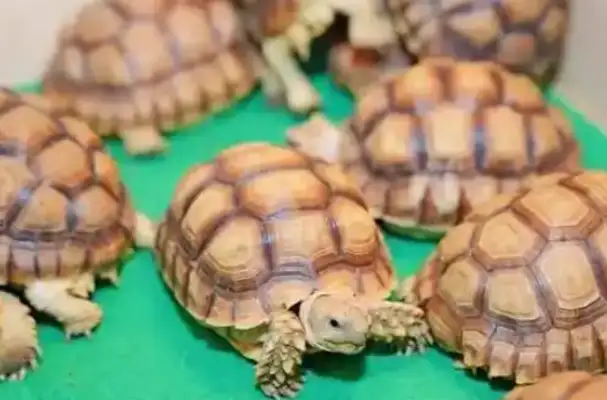
China is currently experiencing a rapid growth in the group of pet breeders, with the resulting expansion of the market. According to statistics, there are some 17 million people in the country who are raising exotics and whose market size is close to RMB 10 billion.
The 2025 White Paper on the Chinese pet industry (Consumer Report) shows that in 2024, the number of people raising pets continued to rise. This trend is also evident on various social platforms, with a large number of owners sharing the strategies and experiences of petting.
It is worth noting that the issue of pet management has attracted the attention of the Government. For the first time, Document Central I of 2023 incorporated the strengthening of the management of petting, emphasizing the need to “strengthen the fight against the illegal introduction of alien species and the implementation of the Operation for the Prevention and Control of Invasive Species” and to “strengthen the management of the `other pet' trade and release norms”.
This suggests that while the exotic markets flourish, the associated risks and challenges, such as invasive alien species, illicit trade and unregulated release, are becoming more and more prominent and require much-needed regulation to guarantee ecological security and social stability.
What are the risks of petting?
As the standard of living increases and the demand for personalization increases, the practice of rearing “other pets” becomes more common. However, while pursuing novelty and uniqueness, we must confront its potential. These hazards not only concern the well-being of animals, but may also affect human health, ecological and social stability.
First of all, the complex sources of diversion, often involving illegal hunting and smuggling, not only violate the law but also threaten the survival of wildlife. In order to meet the market, wild animals were forcibly captured, leading to a sharp decline in stocks and ecological imbalances. Long distances and inadequate breeding environments can also put animals under great stress and even death.
Secondly, it is possible that the opposite pet may carry a common disease. Owing to the lack of knowledge about and measures to combat heterosexual diseases, people are exposed to pathogens such as bacteria, viruses and parasites, which pose a serious threat to human health. For example, reptiles may carry salmonella and rodents may transmit the Hantan virus.
Thirdly, it requires professional knowledge and skills. They have special requirements for the environment, food and care. Lack of knowledge can lead to animal malnutrition, disease and even death. Some are offensive and, if not controlled, may harm the breeder or others.
Finally, runaways or abandonment can seriously damage the ecological environment. The invasion of alien species is a global environmental problem. Absorption may compete with native species for resources, spread disease or even prey on native species, leading to the reduction of native species and changes in ecosystems.
There are a number of potential hazards to petting. In order to protect animals, preserve human health and the ecological environment, we should carefully consider whether to raise them and fully understand the risks involved. Government departments should also strengthen regulation, improve laws and regulations, ensure the legal and rearing of exotic sources and take effective measures to prevent invasive alien species. Only then can we avoid negative social and environmental impacts while pursuing personalization.
Incursions: ecological security risks that cannot be ignored
In recent years, it has gradually become a trend as “other pet” is raised. However, the ensuing problem of invasive alien species has become more prominent and poses a serious threat to our ecological security.
Customs intercepts are alarming. According to statistics, in 2024, more than 300 illegal arrivals were detected by the Shenzhen Imperial Customs Service; in 2022, the number of incidents in which the national Customs Service intercepted “other than others” was as high as 2012. These data show that the risk of invasion cannot be minimized because of the prevalence of foreign-owned illegal trade.
The damage caused by invasive alien species is enormous. For example, red fire ants reduce agricultural production by more than RMB 1 billion per year. Another, known as the “Ecokiller”, is the Vigilante, which seriously damages the island's ecological environment.
These cases warn us of the immeasurable loss of ecosystems, agricultural production and even human health that will result from the successful invasion of alien species.
It was therefore particularly important to strengthen the regulation of exotic pets and raise public awareness of the harmful effects of invasive alien species. We need to improve laws and regulations to strictly combat illegal trafficking and trade, while strengthening quarantine at border crossings and preventing invasive alien species. It is also necessary to strengthen the dissemination of scientific information and to encourage the public to develop a scientific and rational concept of rearing and to work together to preserve the country ' s ecological security.