"Beatles have been beating me a thousand times, and I've been in love with beatles for the first time." This is how a 25-year-old young man describes his relationship with beetles, with a total of over 2,000 beetles, larvae and specimens in his home.
“The parrot is more curable than a relationship, and it is more fun to have a leopard hyena than to brush a mobile phone.” A 95-year-old consumer shares a channel like this on social platforms.
When it comes to the reasons for rearing pets, one of the lovers said: “Cats and dogs need to walk on time, spend time with them, but snails don't need it, give food a few days later, and it's cool to tan a circle of friends occasionally.”
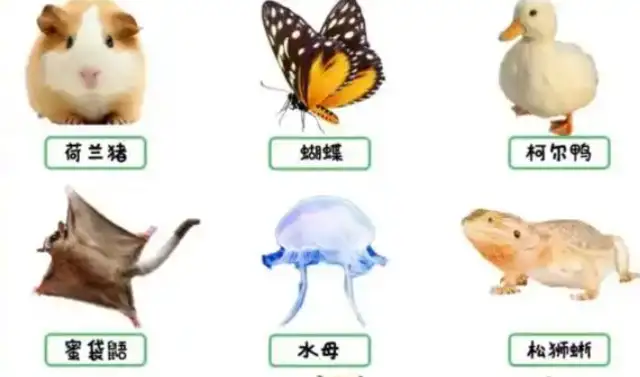
In recent years, beetles, parrots, mantis, horny frogs, palaces and so on have emerged as “other pets” but behind them are security risks that cannot be ignored and the hidden costs of raising them are often far beyond expectations.
Poison spiders die as pets, a white narrow bridge tortoise can replace a Mabach S680.
Large demand for interest has contributed to the explosion in the exotic market. The 2025 White Paper on the Chinese pet industry (Consumer's Report) shows that the country's foreign pet breeders have reached 1.770 million, and the market is approaching a billion yuan.
The rapid expansion of the exotic market has been accompanied by frequent security incidents. In May this year, the flight of more than 100 pet snakes raised by tenants in a small district of Guangdong caused panic among the population; a 16-year-old girl in Fujian province mistook poisonous spiders for pets, resulting in a full-body convulsion and death as a result of her untimely self-shots.
A social platform shared the claim that while feeding pets to the palace, the wounds were accidentally bitten and hemorrhaging immediately followed by timely vaccination against tetanus, the whole hand was still numbed for days.
In addition to the dangers, some of the costs of petting are very high. One of the netizens shared the idea that “honey bears cost hundreds of dollars a day”.
A search on the electric platform reveals that the price of a pet varies from a few dollars to hundreds of thousands; the post “The gap between the rich and the poor in the tortoise” in the Red Book points directly to the price of a common Brazilian turtle and toy car, while a white narrow bridge can be replaced by a Mebah S680 worth 3.5 million.
Thus, far from being price-intensive, it is accompanied by significant rearing risks and hidden costs, which has led to a sharp increase in the demand for more professional, safe rearing services and systems.
Ask the doctor, 30 days for the upgrade of services such as home security.
At a time when the pet market continues to grow in size and consumer demand is becoming more diversified, and there are significant gaps in the related professional services and safety and security, the Tokyo supermarket has made a forward-looking and deep-seated effort to create a safer and more secure environment for pet consumption.
In recent days, at the Asian pet show “Kyoton 14th International Petit Summit — Asia CEO Summit”, the head of pet operations at the Tokyo Supermarket stated that the key risk points in pet breeding and the promotion of pet consumption experience would be systematically addressed through the four main services of “No Puppets” “Four Days of New Patients” “Four Days of Home Security”.
At the conference, the Tokyo Supermarket also issued a “Pet gold selection”, which will be based on the rating criteria developed under the guidance of the Chinese Association of Feed Industries, with emphasis on AAFCO's international standards and the orientation of the new national logo, to select high standards, high sales and high-profile commodities for consumers.
Currently, the Kyoto Supermarket has put on line the Cat and Dog Master's Food Bill Criteria and Lists, which will be followed by gradual coverage of more food items such as snacks, cans, live animals, etc., and selection of good quality goods for consumers.
As an important player in the industry, the Tokyo Supermarket has always promoted a healthier and more sustainable pet industry by opening up to win-win positions, working together with more pet businesses and brands to meet consumer demand for personalized pet care, and creating firm growth opportunities for partners.