China is rapidly expanding its pet breeding community, which has led to the continued expansion of the exotic market. Statistics show that some 17 million people have joined the ranks of exotic breeders and that the market as a whole is close to RMB 10 billion. The White Paper on the Chinese pet industry (Consumer Report) 2025 reveals that the population of exotic pets continued to grow in 2024, a phenomenon that is particularly evident on social platforms, and that many bloggers are keen to share in the techniques and interests of exotic breeding. At the same time, the Government ' s emphasis on the management of pet pets is increasing. For the first time, in Central I 2023, the strengthening of pet management was included as an important topic, with a clear intention to “strengthen the fight against the illegal introduction of alien species and to carry out preventive and offensive operations that significantly harm invasive species” and to “strengthen the regulatory management of the “other pet” trade and release from life”.
This indicates that a range of risks and challenges have surfaced behind the continuing boom in exotic markets. These issues include invasive alien species, illicit trade and unregulated release, which pose potential threats to ecological security and social stability. Therefore, there is an urgent need to strengthen regulatory regulation to ensure the healthy development of exotic markets.
Government and social response
With the rise in living standards and the growing demand for personalization, the phenomenon of rearing pets has become increasingly common. However, while pursuing novelty and uniqueness, we must be conscious of the problems that may arise as a result of such diversion. These hazards relate not only to the welfare of animals but, more importantly, to their potentially far-reaching impact on human health, the ecological environment and social stability.
The danger of petting.
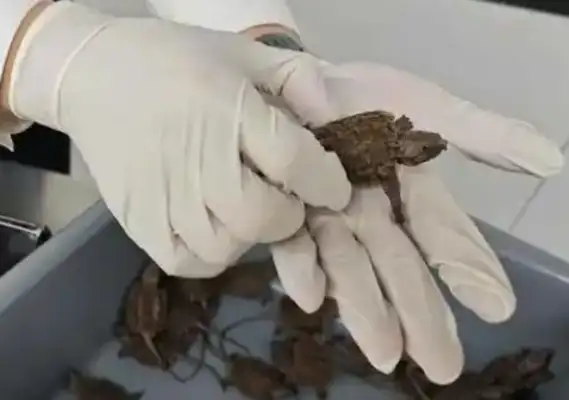
First, the boom in exotic markets has led to many illicit transactions, often involving illegal hunting and smuggling. These acts not only violate the relevant laws and regulations, but also pose a serious threat to the survival of wildlife. In order to meet market demand, many wildlife are being illegally captured, leading to a sharp decline in their populations, thereby undermining the ecological balance. In addition, long-distance transport and inappropriate rearing environments can place these animals under severe physical and psychological stress, and even death.
Second, it is possible that divorcing is accompanied by human and animal disease. Owing to a lack of adequate knowledge of and appropriate measures to combat the disease, these animals are exposed to pathogens such as bacteria, viruses and parasites. For example, some reptiles may carry salmonella, while rodents may spread deadly diseases such as the Hantan virus. These diseases not only threaten human health but may also have a negative impact on social stability.
Third, exotic breeding requires professional knowledge and skills. These animals have special needs for the environment, food and daily care. Lack of the necessary knowledge and skills can lead to malnutrition, disease and even death in animals. In addition, some pets are offensive and, if not properly controlled, may cause harm to the breeder or the surroundings.
Finally, exotic flight or abandonment may have serious ecological impacts. As alien species, runaway petting may compete with native species for resources, spread disease and even prey on native species, thus undermining the balance of ecosystems.
Potential threat to the market.
Illicit trade and ecological damage
Diverse breeding, while satisfying individual needs, may pose ecological, health and safety risks that require careful treatment. As a result of illegal hunting and smuggling, many wildlife populations face a survival crisis, leading to the destruction of ecological balance.
Disease transmission and health threats
Dioxidation may carry a wide range of human and animal-borne pathogens that pose a threat to human health and may affect social stability.
The difficulty of raising and safety.
Diversion has special environmental and rearing requirements, and inappropriate care can lead to animal health problems or safety hazards.
Escape and ecological impacts
Absorption may compete with native species, leading to ecosystem imbalances and further damage to ecosystems.