On 20 August, the 27th Asian pet exhibit was inaugurated at the New International Exhibition Centre in Shanghai. As a flagship event in the global pet industry, the five-day pet fair will continue until August 24, bringing a summer-limited carnival to pet lovers, practitioners and the wider “Face Child”.
The reporter found on the scene that "smart" became one of the key words for this year's Asia-Pacific exhibition. A global primary pet smartphone, a smart companion dog, a pet smart locator... More than 120 smart technology brands have brought pet technology and cover the daily expenses of pet life to medical diagnostics.
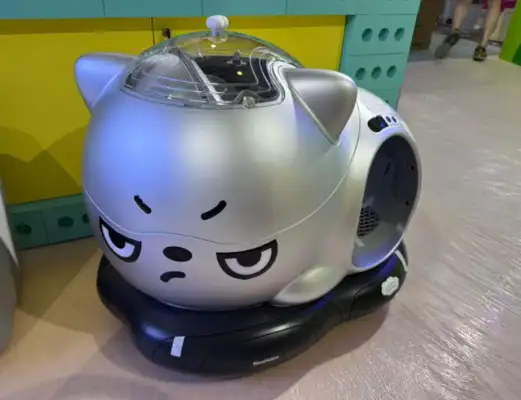
It's a smart cat sandbasket from the Yapo Show.
A lot of smart devices cut a pet in a way that doesn't speak as clearly as humans do about the pains that they feel, by using data instead of pets. Smart devices such as smart feeding devices, smart cat casseroles, etc. can accurately and continuously record daily physiological data on pet diets, drinking water, activity, etc., and integrate them into a structured health file. When a pet needs medical attention, veterinary doctors can better locate the health of the pet more quickly and accurately by combining clinical symptoms with these daily data. For example, if a pet has a chronic low amount of drinking water, this may suggest health hazards such as kidney problems. Remote manipulation is another highlight of these devices. The Senior Director of Overseas Business Outreach, Shanghai Birds and Floats, Inc. stated: “When a pet is alone at home, the owner can achieve regular time automatic feeding and water feeding through pre-set programs or mobile phones. Some high-end pet intelligence products are also equipped with cameras that allow remote people to interact, such as telecalling pets to eat. Even when the master is far away, the pet can feel the company and love of the master.”
At the exhibition, the colored smart cat room, the smart dog room, the smart fart cabin, and the blind eye are full. These smart devices not only provide visual access to colours, but also functionally achieve a transition from the traditional functional age of pets to the intellectual age, making their living environment more intelligent, comfortable and accessible.
“The pet smart module is equipped with a smart screen and users can easily control it through their mobile phones. It has a warm wind system, a 24-hour new wind system, and a light adjustable and eye-protective level. In terms of security, there are also password locks, cameras and ultraviolet microbicides, which provide full protection for pets.” Yang Jing, Co-founder of Petty Technology (Lake County) Ltd. Journalists saw on the scene that the pet smart module was of various sizes to meet the needs of different pets and families. Product prices range from $2,000 to $7,000, providing consumers with diversified options.
At the exhibition, the intelligence at the scene was completely automatic.
In the area of pet medicine, artificial intelligence has also gradually developed its potential for application. The founder of Shanghai Bay Cricket, Ltd., stated that “AAI diagnostic equipment, as an assistant and enabling tool for pet doctors, can provide rapid testing, treatment and treatment programmes to doctors, greatly improving the efficiency and accuracy of pet medical services”.
The Patients ' Ai Clinical Assistant V1 is equipped with Pad, external access to the Ai listener, the Ai detector, portable B superprompter, etc. The combination of these devices has enabled the pet doctor to complete a thorough examination of the pet in a short period of time and to quickly develop scientifically sound treatments based on the results of the examination. Since the equipment was listed on the market for a month, more than 50 pet hospitals have ordered it.
“As a result of the wave of technology, smart devices will gradually change the way pets are cared for and managed for.” Industry has indicated that, as technology continues to break down, AI will play a greater role in the pet sector, from precision health early warning to individualized behaviour analysis, to improve the quality of life of pets in all its aspects and generate additional quantities for the pet economy.