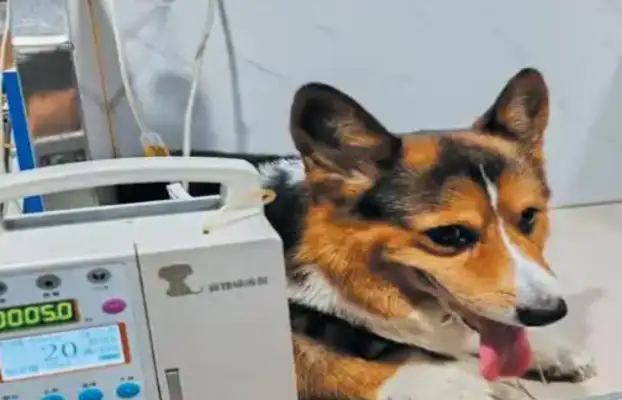
In recent days, Mr. Li (Seniority) has issued an urgent appeal on social networking platforms: a family-owned Koki dog is in urgent need of blood transfusions and is looking for blood from a large dog. Soon after the news came out, the owner of a golden fur dog responded, who donated 200 ml of blood. Currently, sick Corkills are being treated.
Behind this successful rescue is a new thing that is coming into the public eye — the blood of pets. In contrast to human blood donations, pet blood donations are not widely available in the country, but as the number of pets continues to grow and the demand for their medical care increases, it becomes even more important to set up mechanisms for pet blood donation.
It is understood that we have not yet established a well-developed system of pet blood banks, which rely mainly on “blood dogs” for mutual assistance. Unlike the human blood type system, canine groups are mainly eight types of blood, such as DA1.1 positive blood and DA1.1 negative blood, while cats are three types of blood type A, B and AB. Pediatric blood transfusions are subject to cross-allegation tests, which may cause serious solubility.
Shao Xin of the Xiaorong Pet Hospital told journalists that it had established a blood donor dog information file with contact details for blood donor dogs, as well as recording information on their physical condition and blood type, “in case of emergency transfusions, we can quickly find matching pets for blood donation”.
In response to the growing demand for blood, some pet hospitals have started to organize regular blood donation campaigns and to expand the stock of blood donor dogs. Shaw said, “These files help us to respond more quickly and save more pet lives.”
Not all dogs and cats can be involved in this. Blood donor dogs are generally required to be between the ages of 1 and 8 and weigh more than 25 kg. They are regularly vaccinated and never receive blood transfusions, and are of a gentle character. Health screening and blood screening are also required prior to the donation to ensure the health and safety of the pets on both sides.
According to animal medical experts, healthy dogs can donate only 200-400 ml of blood at a time, with little impact on health and an automatic recovery of blood capacity within weeks. However, in order to ensure the health of blood dogs, there is a more than three-month interval between blood donations.
At present, pet blood donation is still dependent on the voluntary behaviour of a caring pet and cannot be financially compensated as a human blood donation, but many pet hospitals provide free medical check-ups, deworming, vaccinations or future blood concessions.
With the development of pet medical technology and the increasing demand for pet blood transfusion treatment, the establishment of a well-developed pet blood bank system has become a new topic in animal medicine. The pet doctor calls for more pets to look at the blood donations of the pets so that the children can have their own “hot blood heroes” and life support.